M&A boom fuels record decline in Japan’s listed companies
The number of firms trading on the Tokyo Stock Exchange is on track to drop by 58 to 3,778 by the end of the year
 Add BT as a preferred source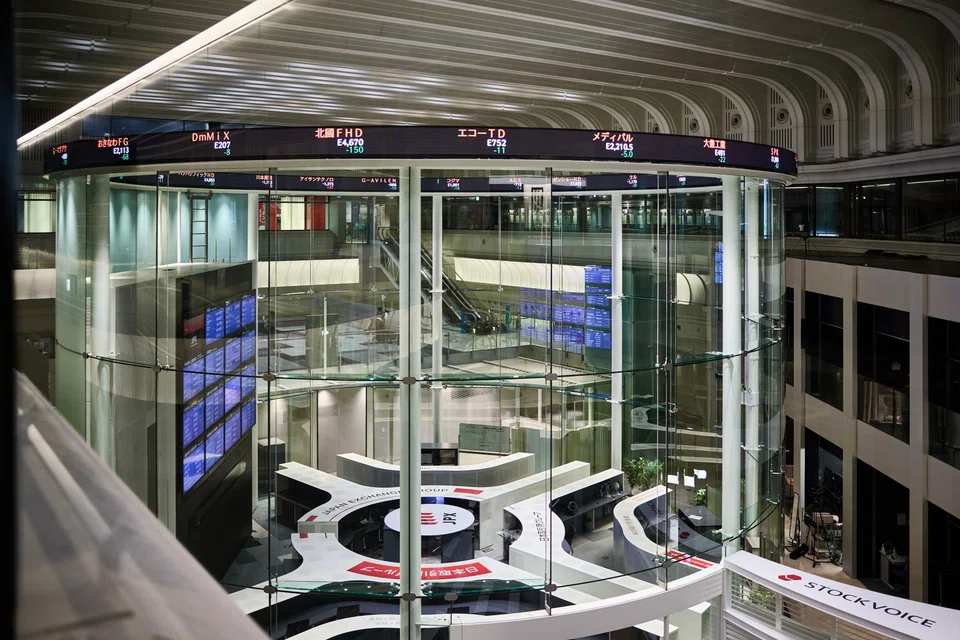
DeeperDive is a beta AI feature. Refer to full articles for the facts.
[TOKYO] Japan has nearly as many listed companies as the United States, with an economy only a seventh the size, and for more than a decade, the number only rose. This year, the trend sharply reversed.
The number of Japanese firms trading on the Tokyo Stock Exchange (TSE) is on track to drop by 58 to 3,778 by the end of the year, according to data from the bourse as at Wednesday (Dec 3). This is a huge change from the decline of one listing last year and annual increases dating back to the merger of the TSE and the Osaka Stock Exchange in 2013.
The exchange has seen a wave of management-buyouts (MBOs) and mergers and acquisitions-related delistings this year. A capital-efficiency improvement campaign waged by the bourse has further depressed numbers, discouraging smaller firms from going public in the first place.
“Japan has too many stocks with small market capitalisations that foreign institutional investors can’t invest in, so the decline in the number of listed firms is positive,” said Hiromi Ishihara, head of equity investment at Amundi Japan.
Larger companies created through consolidation offer global fund managers greater investment opportunities, she added.
Ishihara noted that global funds likely have a minimum market cap target of about US$2 billion. That excludes about 70 per cent of stocks listed on the Tokyo Prime Market, the top tier of the TSE, data compiled by Bloomberg shows.
Navigate Asia in
a new global order
Get the insights delivered to your inbox.
Japan is mirroring the decline in listings in developed markets that has been going on for decades. The number of US companies listed on major exchanges dropped more than 50 per cent since its 1996 peak to 3,920, according to the World Federation of Exchanges (WFE). Germany saw a 60 per cent decline to 420 firms since 1999.
Listed Japanese companies have an average market cap of about US$2 billion, growing a mere 30 per cent since 2000. That compares with an eight-fold increase in the US to US$18 billion over the same period, and a 3.8-fold rise in Germany to US$6.6 billion, according to WFE.
“The problem until now was the excessive number of companies and the complete lack of dynamics for firms with diminished listing significance to exit the market,” said Kazuhiro Toyoda, head of Japanese equities at Schroder Investment Management. The trend of fewer listings will likely spur the market, he felt.

Pressure from the exchange and the government to improve corporate value has driven M&A, including MBOs, and led to the record number of delistings this year.
Meanwhile, the number of initial public offerings is expected to sink to its lowest level since 2013 due to future tighter rules targeting small growth firms. Japanese firms often pursue listings not only for fundraising but to enhance their reputation and visibility, and these benefits may no longer justify the rising costs associated with going public, according to Atsushi Kamio, senior researcher at Daiwa Institute of Research.
“The pace of the decline in listing firms will accelerate further in 2026,” said Kamio.
Some firms on one-year improvement plans may fail to meet standards and face delisting.
There are some analysts that regret the declining number of companies. Daisuke Uchiyama, senior strategist at Okasan Securities, said that fewer companies means the hunt for “diamonds in the rough” or hidden value stocks will become more difficult. BLOOMBERG
Decoding Asia newsletter: your guide to navigating Asia in a new global order. Sign up here to get Decoding Asia newsletter. Delivered to your inbox. Free.
Share with us your feedback on BT's products and services