

Malaysia's FGV optimistic US import ban will be lifted this year
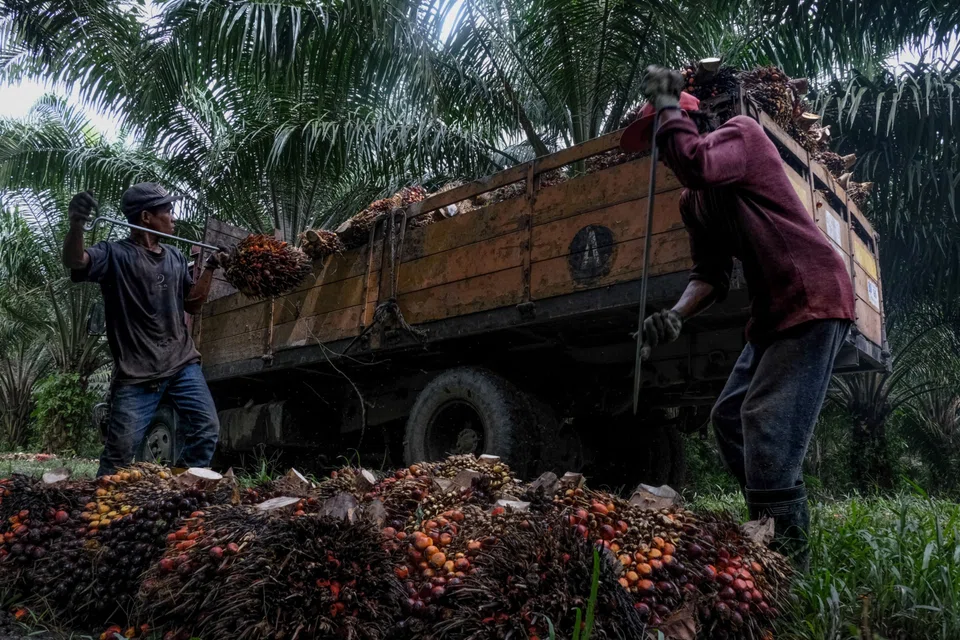
MALAYSIAN palm oil planter FGV Holdings is optimistic that a US import ban on its products would be lifted by the end of the year, its chief executive said on Monday (Feb 27).
FGV was banned by the US Customs and Border Protection (CBP) in 2020 due to allegations of forced labour in its plantations. The company has since recruited an audit firm to review labour conditions of its workforce, which mostly comprised migrants.
On Monday, CEO Nazrul Mansor said FGV was in the process of remediating gaps identified by the audit firm and that it expects to submit a final report to the CBP by the end of the first quarter.
“We’ve got long list of items to do in order to get to the levels expected by the International Labour Organization (ILO) and CBP,” Nazrul told reporters at an earnings news conference.
The company will upgrade housing facilities, compensate foreign workers who paid recruitment fees to secure jobs, ensure workers have access to passports, and adhere to laws on working hours, Nazrul said.
The firm said it would set aside about RM111.64 million (S$33.6 million) to compensate current and former foreign workers who paid recruitment fees to secure jobs.
Migrant workers are often charged a fee to employment agents in their home countries to land jobs in Malaysia. Such payments may result in debt bondage as worker pay off the debt, which has been identified by the ILO as an indicator of forced labour.
Earlier, the world’s largest crude palm oil producing company reported a net profit of RM337.7 million during the October-December period.
Earnings shrank from RM465.1 million profit in the same quarter last year, partly due to higher manuring, upkeep and maintenance costs. Revenue fell 1.2 per cent to RM6.1 billion.

FGV forecast 2023 crude palm oil prices to average at RM4,000 a tonne, and warned of headwinds from adverse weather conditions, interrupted labour supply and rising fertiliser and production costs.
The firm expects production to improve by 10-15 per cent from a year ago as it employs more migrant workers to ease a labour crunch.
FGV is planning to issue a sukuk during the first half of the year to fund its replanting programme, which will be intensified this year, Nazrul added. REUTERS
Decoding Asia newsletter: your guide to navigating Asia in a new global order. Sign up here to get Decoding Asia newsletter. Delivered to your inbox. Free.
Share with us your feedback on BT's products and services
TRENDING NOW

Once staunchly pro-China, Malaysian Chinese businesses are now distancing themselves from Beijing
The middle power moment arrives in South-east Asia – but not for Asean

DBS, OCBC, UOB face rate hike reality check

Vietnam’s northern provinces, not Hanoi or Ho Chi Minh City, are powering near 10% GDP growth

