

Malaysia's palm oil sector under pressure amid operational disruptions, yield losses from floods

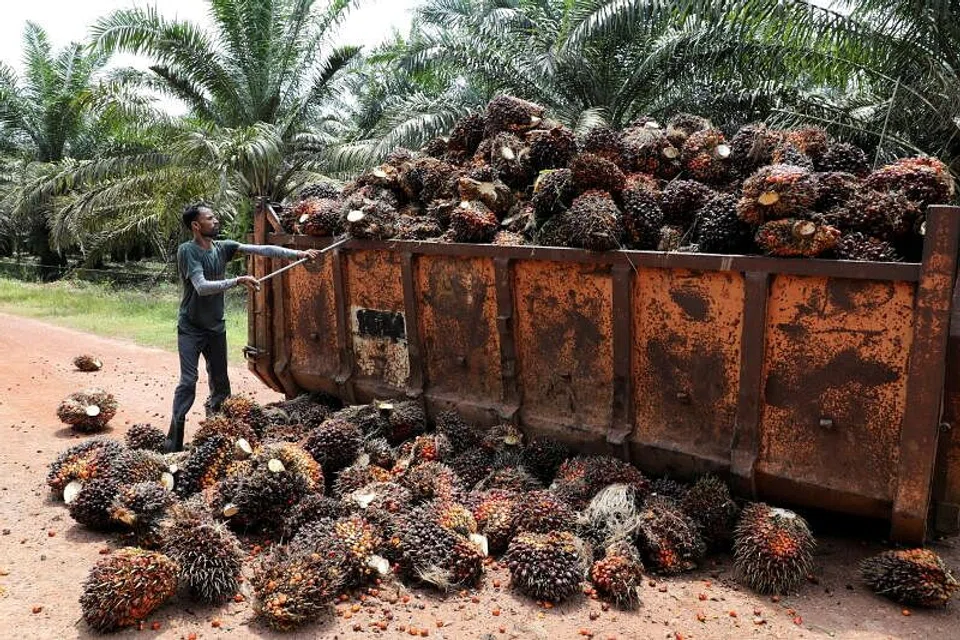
SEVERAL states in Malaysia have been hit by sporadic floods in December caused by continuous heavy rain. Market watchers believe this could spell trouble for the country's crude palm oil (CPO) sector, especially if the floods continue.
The flooding has been particularly harsh in the Malaysian states of Kelantan, Trengganu, Pahang, Johor, Malacca, Negri Sembilan and Sabah.
Any impact on Malaysia's CPO supply will likely have an impact on the global industry, as Malaysia is one of the key producers of the commodity.
Data from the Malaysian Palm Oil Council showed that in 2020, Malaysia accounted for 25.8 per cent of the world's palm oil production and 34.4 per cent of global exports.
In a report on Monday (Jan 3), Maybank Investment Banking Group analyst Ong Chee Ting said estate operations for palm oil producers have been disrupted. There has been no harvesting or road access to the mills in these areas for several days.
Yield losses have been "manageable" so far, as high CPO prices have cushioned the impact on palm oil companies. A confluence of factors affecting supply and demand, including bad weather and higher biodiesel mandates in Malaysia and Indonesia, had propped up CPO prices throughout 2021.
Ong said CPO spot prices averaged a record high of RM4,430 (S$1,431) per tonne in 2021, some 59 per cent higher than in 2020.
But Ong said the sector is "still not out of the woods" as the current rainy season is forecast to stretch till March.
"Any subsequent wave of floods or any prolonged flood could severely damage the infrastructure and further disrupt operations," he warned.
DBS analyst William Simadiputra said flooding is likely to cause harvesting and transporting congestion in the affected states. With the absence of any "material product expansion prospects" in the pipelines, he believes CPO prices are likely to stay elevated in the first quarter of 2022.
Should the heavy rains persist till February, Simadiputra believes it is possible for CPO prices to touch a new record before the end of Q1.
Akash Gupta, director for corporates in Asia-Pacific at Fitch Ratings, added that flooding will certainly impact supply - at least temporarily.
"This is likely to lend support to prices," he said. "The impact on companies will vary according to the extent of flooding in their estates, but generally speaking, the hit from lower production should be mitigated by robust price realisations."
RHB Singapore was more optimistic about the situation. The brokerage said there could be a short-term negative impact on productivity, but there is unlikely to be a significant impact on the financial performance of Malaysian oil palm planters as the rains are already easing.
"The flooding should not have a major impact on CPO prices, as the impact on production is likely to be short-term in nature," said the analyst.
"However, should the rains come back in a major way, and if La Nina affects crops in the northern hemisphere significantly, then we may see CPO prices stay higher for longer."
A majority of the Singapore-listed palm oil stocks only have plantations in Indonesia. These counters are Golden Agri-Resources E5H, Bumitama Agri P8Z, First Resources EB5, Kencana Agri BNE and Indofood Agri 5JS .
Mewah International MV4 , however, has 4 refineries and 2 packing plants in Malaysia. The company's refineries in Westport, Pasir Gudang and Sabah are also situated near ports along major shipping routes. A Mewah spokesperson declined to comment when approached by The Business Times.
Wilmar International F34 also has plantations in Malaysia, but these are in East Malaysia where the flooding has been less severe. A spokesperson for Wilmar declined to comment.
Malaysia-listed palm oil plays such as Sime Darby, IOI Corporation and Kuala Lumpur Kepong are likely to experience more of an impact. But the floods do not necessarily mean investors should expect weaker earnings.
Maybank's Ong said record high CPO prices in Q4 last year are likely to lift the financial results of oil palm planters.
The heavy rainfall and logistical challenges in securing sufficient fertiliser during the quarter could mean planters will have "little opportunity to administer the desired fertiliser requirements" in Q4 21, which will keep production costs under control and boost bottom lines, he added.
Ong expects purer upstream plays with substantial operations in Malaysia, as well as those with little to no forward sales to do better in Q4 21. Some examples of such counters are Sarawak Oil Palms, Boustead Plantations and Ta Ann Holdings, all of which have a "buy" call from the house.
RHB has a "sell" call on Genting Plantations and FGV Holdings due to current "prohibitive" valuations, but a "buy" on Ta Ann, Sime Darby and Sarawak Oil Palms. For Singapore, the brokerage has identified Wilmar as its top pick for the sector.
TRENDING NOW

‘My grandfather’s legacy’: Sherman Kwek lays out three-year plan for CDL to drive returns

From Haidilao to Oriental Kopi: How some of Asia’s favourite F&B players are faring in 2026

MAS allocates S$1.45 billion to five asset managers in third EQDP batch: Chee Hong Tat

Built on trust since 1964: How this award-winning finance company has grown with its SME customers

