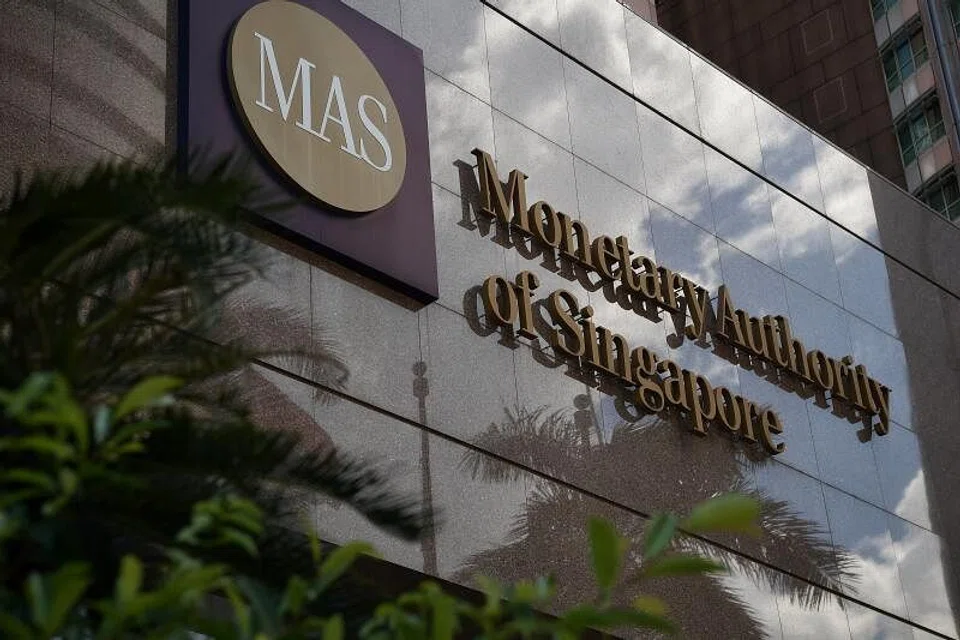
MAS proposes simplified leverage requirements for S-Reits, imposes minimum ICR threshold of 1.5 times
Under the proposals, all Reits will be subject to a minimum ICR threshold of 1.5 times, and an aggregate leverage limit of 50%

THE Monetary Authority of Singapore (MAS) on Wednesday (Jul 24) published a consultation paper proposing to simplify leverage requirements for all real estate investment trusts (Reits).
Under the set of proposals, all Singapore Reits, or S-Reits, will be subject to a minimum interest coverage ratio (ICR) threshold of 1.5 times, and an aggregate leverage limit of 50 per cent.
Commenting on the proposed ICR, the regulator said: “This underscores the responsibility of Reit managers in ensuring that Reits can adequately meet their interest payments.”
Currently, Reits that intend to increase their aggregate leverage from 45 per cent to 50 per cent must meet a minimum ICR requirement of 2.5 times. In the proposals, this requirement will be removed.
The ICR and aggregate leverage work complementarily to indicate a Reit’s financial strength, said MAS.
The ICR is a measure of how well a company can repay the interest on its debt, while the aggregate leverage refers to the ratio of a Reit’s total debt to total assets. The aggregate leverage, also known as gearing ratio, indicates a company’s ability to take on more debt.
To simplify the requirements, MAS is proposing that a single aggregate leverage limit of 50 per cent apply to all Reits going forward.
“A leverage limit of 50 per cent, together with the ICR floor, will continue to foster prudent borrowing by Reits,” said the authority.
The proposals, which are available in a consultation paper published on MAS’ website, come as the high interest rate environment has been punishing for locally listed Reits amid rising finance costs and valuations coming under pressure.
They also come as the reporting season for Reits kicks off this week.
MAS is also proposing that Reits perform and disclose sensitivity analyses on the impact of changes in earnings before interest, taxes, depreciation, and amortisation, as well as interest rates on their ICRs.
This disclosure should be made in their interim and financial results and annual reports to provide investors with information on how a Reit’s credit profile could be affected by changes in market conditions, said MAS.
The last time the leverage limit was adjusted was in 2020, when it was raised from 45 per cent to 50 per cent to give S-Reits greater flexibility in managing their capital structures. This was amid the challenging environment in the wake of the Covid-19 pandemic.
Veteran investor Gabriel Yap told The Business Times that the latest proposals by MAS are “quite opportune” for Reits, given that there is a high likelihood that the US Federal Reserve will cut interest rates in September this year.
Nevertheless, he warned that Reits could see their valuations suppressed if they lowered their ICR to 1.5 times.
“Investors therefore have to be even smarter about where Reits are re-orientating their assets and profiles,” he said.
He added that he did not expect most Reits to lower their ICRs to 1.5 times. He noted that shares of Suntec Reit, which reported an ICR of 1.9 times as at Mar 31, 2024, have been undervalued over the last two years.
Maybank analyst Krishna Guha said the proposals will bring uniformity to regulations.
The thresholds put forth by MAS will also give managers headroom to navigate higher refinancing rates. While the proposals could lower Reits’ valuations, they will help to enforce prudent capital management, said Guha.
Reits which have lower ICRs or elevated gearing, or both, should see some positive sentiment, he added. These include Reits with an ICR of two times or lower, such as Suntec Reit and Lendlease Global Commercial Reit .
“That said, we expect investors to continue watching Reits with suboptimal capital management for more capital recycling or increasing income resilience,” he said.
Darren Chan, a senior research analyst at Phillip Securities Research, said that if implemented, the proposals could take some pressure off Reits, as most are currently trying to maintain a gearing ratio of around 40 per cent. This is the level at which investors are comfortable about a Reit’s gearing.
If the limits are adjusted according to MAS’ proposals, investors may become more comfortable with Reits having a higher gearing of 45 per cent, said Chan.
The full consultation paper is available on MAS’ website. Interested parties can submit their views on the proposals online by Aug 23, 2024.