

MAS should match its proposed due diligence requirements with aggressive enforcement

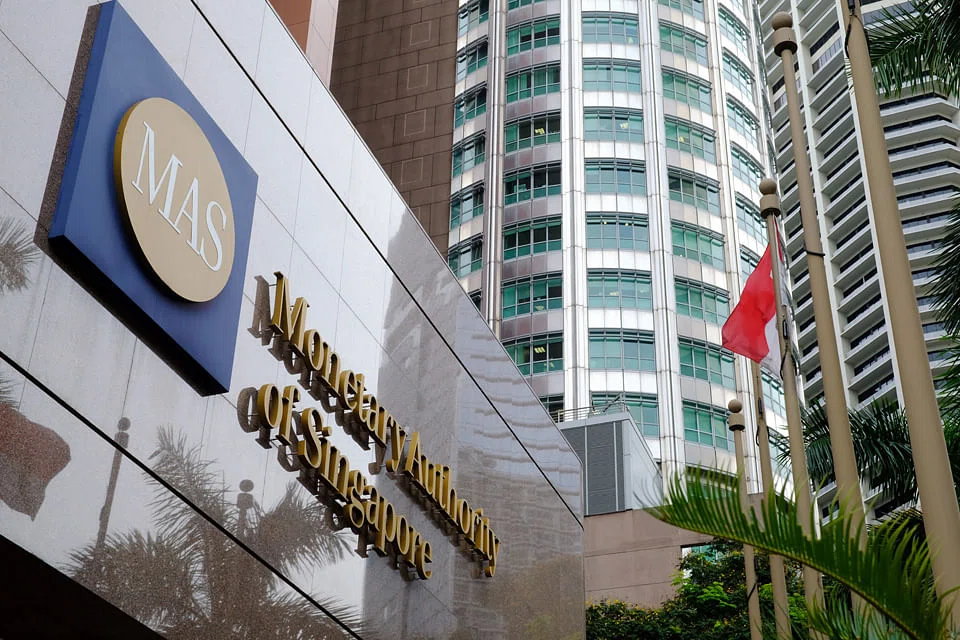
THE Monetary Authority of Singapore (MAS) has proposed that corporate finance (CF) advisers exercise reasonable judgement in determining the scope of their due diligence work, assess the veracity of information obtained in the course of that work, and - when involved in initial public offerings (IPOs) - assess the suitability of listing the applicant.
Wait, what? Aren't all financial institutions and every holder of a capital markets services licence already expected to do these things?
Which of them have been playing fast and loose with their due diligence work? What unsuitable listing candidates have they foisted on unsuspecting public investors in Singapore?
If that was the reaction you were expecting from industry experts to the consultation paper published by MAS last week (Dec 15), which spelt out those so-called minimum standards for CF advisers, you would have been disappointed.
Instead, as The Business Times reported last week (Dec 16), experts viewed the initiative by MAS to be a necessary, if overdue, step towards improving the conduct and professionalism of CF advisers.
By specifically laying out the baseline due diligence standards to which CF advisers are expected to adhere, MAS is perhaps also preparing to hold CF advisers accountable when things go wrong in the future, the experts suggested.
In effect, the MAS consultation and the reactions it has elicited paint a less than flattering picture of the industry.
It seems to indicate that some CF advisers have indeed been conducting their due diligence work with insufficient, well, diligence.
That, in turn, suggests some disclosures from entities seeking to raise money in the Singapore market have not been of sufficient quality to enable public investors to make informed decisions.
On the bright side, MAS appears to finally be doing something to staunch the waning investor confidence in the Singapore market that BT has reported on from time to time.
Comprehensive requirements
The draft notice from MAS that sets out the minimum due diligence requirements for CF advisers certainly appears to be comprehensive and sensible.
Among other things, it calls for CF advisers to act with "due care, skill and diligence" including exercising reasonable judgment in determining the nature and extent of due diligence work to be performed for a transaction.
CF advisers are required to make an assessment of the accuracy and completeness of any statements, confirmations and representations made in connection with a transaction; and look out for information or developments that are contradictory.
The notice also sets out how CF advisers should manage conflicts of interest, internal governance and supervision matters, and record keeping.
In relation to IPOs, CF advisers are required to advise and guide the management and boards of listing applicants as to their duties and responsibilities.
The notice further states that CF advisers must ensure there is a review of due diligence for each listing application, conducted by persons independent of the transactions team.
The independent review must examine, among other things, the outcome of the due diligence performed by the transaction team, as well as the bases of all opinions, assurances and conclusions arrived at by the transaction team that have a material bearing on the suitability of the applicant for listing.
Enforcement needed
Whether this restores confidence in the local market, however, probably hinges on CF advisers adopting the spirit as well as the letter of the due diligence requirements.
For instance, assessing the suitability of a company or real estate investment trust (Reit) for listing should surely include making a judgment on whether that company or Reit has the business strategies and governance standards that will enable it to garner a higher market value over time.
MAS should make it clear that the due diligence efforts of CF advisers will be scrutinised if companies or Reits they bring to market suffer a significant or precipitous decline in their market value within a couple of years of listing.
Furthermore, CF advisers with a track record of bringing duds to market should not be allowed to remain in business.
This might sound unreasonable - but it really isn't. Bad things sometimes happen to good companies of course. But no bona fide listing applicant comes to market expecting to see its share price quickly collapse.
CF advisers who fear their clients will disappoint investors should probably find some new clients.
In the end, rules and regulations without enforcement are meaningless. If MAS wants its due diligence requirements to enliven the public market, it has to be prepared to investigate and punish errant CF advisers in a public way.
TRENDING NOW

Two Singapore-listed palm oil firms named in Greenpeace report on Indonesian plantation fires

Singapore Airlines flight returns to San Francisco after ‘unruly’ passenger incident

Singapore looking into which companies responsible for haze-causing fires: PM Wong

Deluge IPO 3.86 times subscribed ahead of SGX debut

