Metro mulls fate of remaining two stores here
Singapore
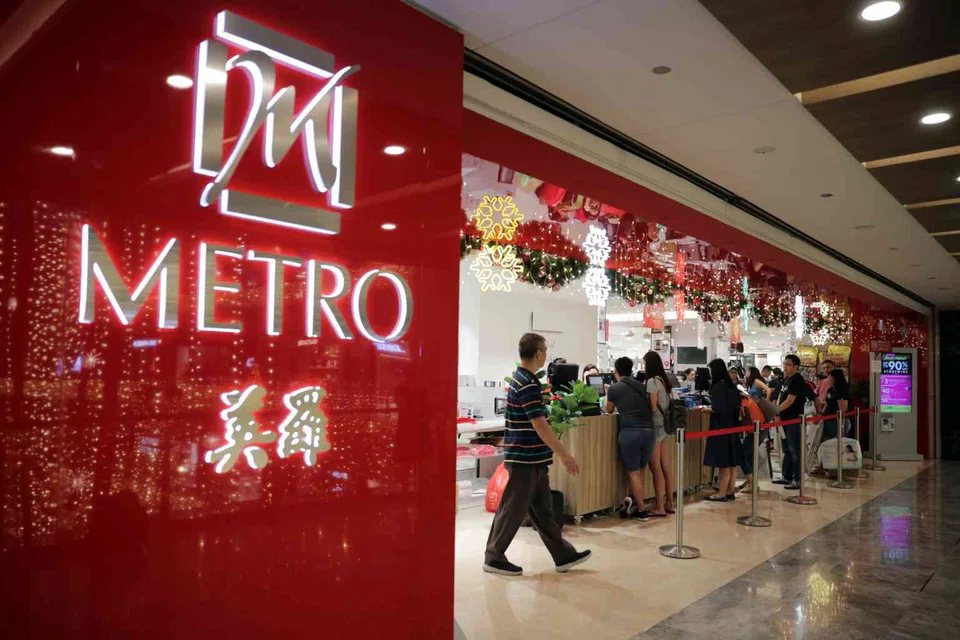
AS Robinsons bows out of the retail scene and department stores face waning prospects, the end of the last two Metro stores in Singapore may be nigh.
Metro Holdings group chief executive Yip Hoong Mun said with a few years left on the leases at Paragon and Causeway Point, Metro would focus on cost discipline and building up its e-commerce capabilities. This is necessary to run the two stores "as profitably as possible".
However, Mr Yip said that "along the way, we need to look at it and think, are we fighting a losing battle or can we also have some win at the end, then we try to rationalise".
He noted that the stores may be sustained for longer if the group can come to a "win-win situation" with its landlords on rent, a key cost component. However, "at the end of it, it has to be what makes sense for the company, and for shareholders".
Metro derives most of its profits from property investments, which are spread out across Singapore, China, Indonesia, the United Kingdom and Australia. It made significant moves into property in the 1990s.
In the wake of Robinsons' exit after 162 years in business, the department store model - which observers say has been rendered outdated by e-commerce and specialist retailers - and its operators have come under the spotlight.
They include BHG Singapore, which has taken over a portion of Robinsons' former space at Raffles City Shopping Centre, despite diminishing profits in recent years and sliding into the red in 2019.
Then there is Isetan, which is facing widening losses in its retail business and exploring options for its investment property in Wisma Atria. The latter drove shares in Isetan up 20 per cent.
Some department stores have ventured into the growing e-commerce market in a bid to stave off their decline. But the extent to which e-commerce can help may be limited.
Metro has gone onboard e-commerce platforms Shopee and Lazada aside from running its own online store. The results have been positive, with online sales up during the pandemic last year and taking the group by surprise, Mr Yip said.
Still, online sales are only "a fraction" of those generated by the physical stores, he noted.
For the fiscal first-half ended Sept 30, 2020, retail division revenue fell to S$25.2 million, down from S$61.7 million a year ago. This was mainly due to the absence of contribution from Metro Centrepoint, which closed in October 2019, and lower sales in department stores in Singapore during the circuit-breaker period.
The retail segment recorded a loss of S$0.8 million. This could have been worse had Metro not divested its Indonesian retail business to its partner for S$10.6 million in December 2019.
The group had sold it off "painfully", as the partner had wanted to expand its retail arm and the deal was a "logical arrangement", said Mr Yip. But "unknowingly, that turned out to be quite good because that was just before Covid-19".
The closure of the two stores in Singapore would mark the end of Metro's long heritage as a department store chain in Singapore. It started out as a textile store on High Street in 1957. This is Metro's 64th year in business.
In its heyday, Metro had about five department stores here, and standalone stores for British brands like Monsoon and Accessorize. The Marina Square store was closed in 2003, while the Tampines Mall outlet ceased operations in 2007.
Metro's flagship store at The Centrepoint store closed in 2019 when the lease expired. The group said then that it was part of efforts to rationalise the retail business in response to changing market conditions.
READ MORE: Metro seeks deals in industrial property, student housing, suburban malls