

Microsoft, Qcells sign massive supply deal for US-made solar panels
 Add BT as a preferred source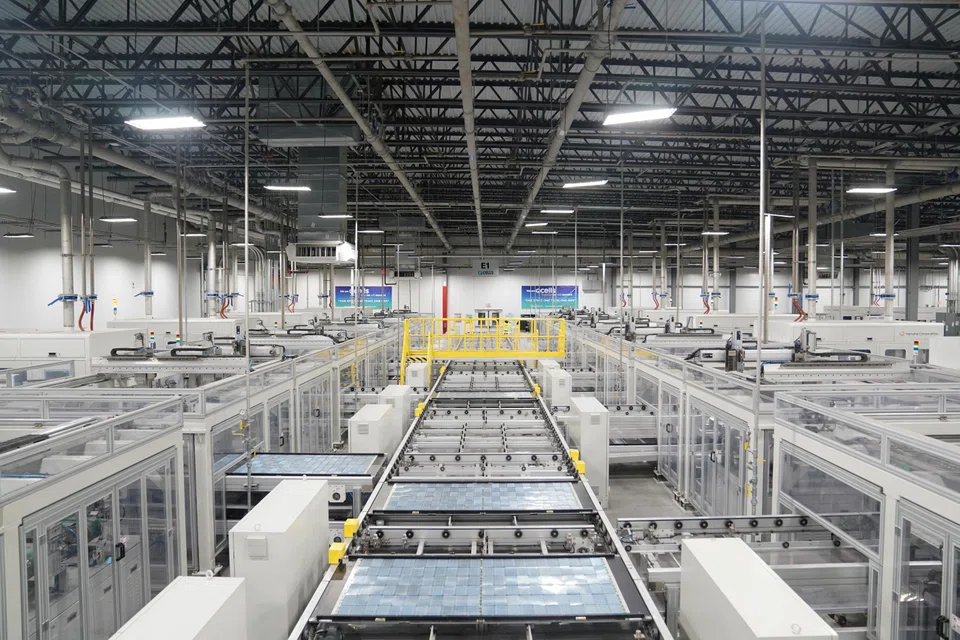
SOUTH Korea’s Qcells on Monday (Jan 8) said it will supply Microsoft with 12 gigawatts of American-made solar panels through 2032, in what the companies called one of the largest deals of its kind.
The agreement locks in substantial and stable demand for panels that Qcells will make at its new US$2.5 billion Georgia factory. For Microsoft, which was seeking a reliable panel provider to reduce supply-chain risks, the deal will enable it to reach its goal of powering all its operations with renewable energy by 2025.
“How do we really make sure that we can meet those goals in this environment, as we see others coming in and doing the same thing?” Bobby Hollis, Microsoft’s vice-president for energy, said in an interview. “We have to really undertake things in a very strategic and thoughtful way.”
The two companies first agreed to a 2.5-gigawatt contract a year ago. Through this expanded agreement, Microsoft will increase its total commitment to 12 GW, enough to power about 1.8 million homes, the companies said.
Qcells said the collaboration with Microsoft will enable it to establish a solar supply chain in the United States to compete with China. The company will produce silicon ingots, wafers and cells, as well as the modules themselves.
Currently, most panels assembled in the United States use components made in Asia, where prices have dropped sharply in the last year. Incentives in President Joe Biden’s Inflation Reduction Act seek to bolster US production of clean-energy components to reduce reliance on overseas-produced goods.


Jihyun Kim, an executive vice-president at Qcells, a division of Hanwha Solutions Corp, said: “We are the only ones that are really building up the full supply chain. And this is thanks to the partnership that we’re having with Microsoft.” REUTERS
Decoding Asia newsletter: your guide to navigating Asia in a new global order. Sign up here to get Decoding Asia newsletter. Delivered to your inbox. Free.
Share with us your feedback on BT's products and services
TRENDING NOW
Tiger Brokers, Moomoo, Longbridge Singapore units ‘financially independent’ amid China crackdown: MAS
Yeo’s, Tiger Beer and now Gardenia – flight of food manufacturing from Singapore might be just as planned

Johor property old hand KSL readies family handover amid market boom
As India and China surge ahead with nuclear energy, all eyes on Asean’s next move

