

Middle East conflict pushes Asia into next phase of energy rethink: Bank of America
Governments are reassessing their long-term energy security, which could spur new investments

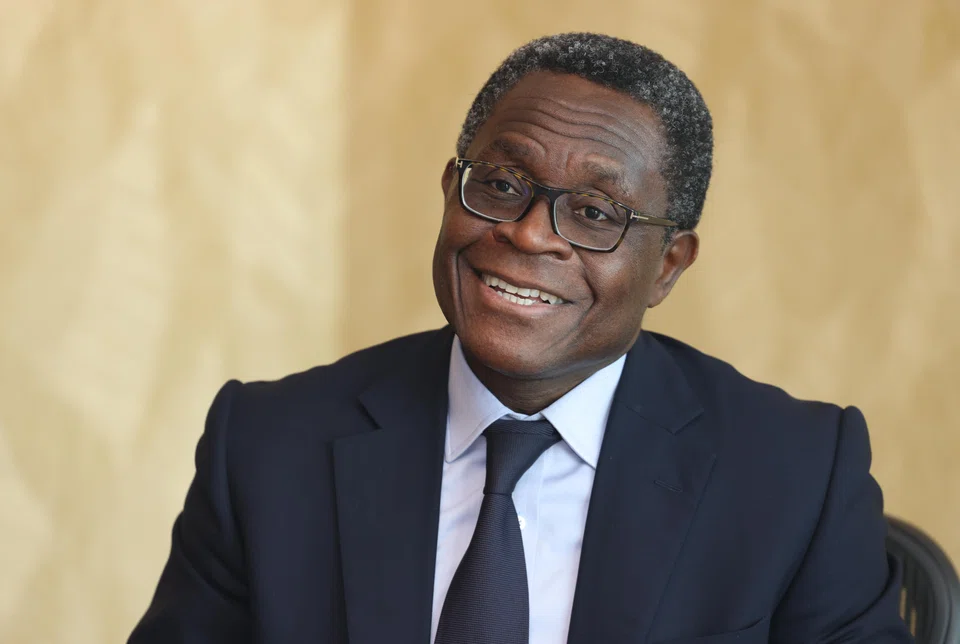
[SINGAPORE] Asian companies and governments are entering the next phase of their response to the Middle East conflict, with many starting to reassess long-term energy security, Bank of America’s president of international Bernard Mensah said.
The shift could spur fresh investments in areas ranging from renewables and refining capacity to new energy infrastructure, creating opportunities for banks and financiers, he told The Business Times in a recent interview.
“What I find is that, actually, clients are quite resilient – they’re getting on with it,” Mensah said. “They’re saying: ‘Okay, here’s what’s happened. How do we deal with it?’”
But a few months on, with the immediate disruptions of the early months largely addressed, the focus is now evolving.
This is as companies and governments are beginning to look beyond near-term disruptions and grapple with broader questions over the resilience and make-up of their energy supply chains, he said.
The reassessment is likely to extend beyond individual companies to policymakers, particularly in Asia and Europe, both of which are heavily reliant on imported energy.
“I think Asia is where there will be corporate and policy conversations,” Mensah said, adding that Europe would also need to continue thinking through its energy security after sharply reducing imports from Russia.
That shift began after Russia’s invasion of Ukraine in 2022, which forced European countries to seek alternative supplies and accelerate investments in areas such as liquefied natural gas infrastructure and renewables.
New investments
Now, the disruptions caused by the Middle East conflict could similarly hasten investments in areas ranging from renewables and refinery capacity to new energy infrastructure, Mensah said.
He expects the changes to prompt a broader rethink of energy sourcing and support greater investment in new energy projects.
“And as those conversations are happening, we are very well placed to be a part of that,” he added.
While the impact may not materialise through large, headline-grabbing transactions, Mensah said the changes are likely to emerge gradually.
“I wouldn’t expect a big bang, but I would... watch out for some of the smaller pieces that might be put in place.”
At the same time, governments would need to strike a balance between security and affordability, he noted.
“If you say to the policymakers – just ensure that there’s enough energy, they can do that, but at what price?” he said. “You’ve got to have the sustainability and resiliency piece as well.”
Singapore stands to benefit
In Mensah’s view, Singapore could emerge as one beneficiary of the changing energy landscape, given its position as a refining and commodities hub.
“The Middle Eastern crisis has been quite recent, (and) it’s been really focused a lot on the energy supply constraints.
“Singapore is very well placed for that because Singapore has always had a very strong refining capacity, and the world really needs that right now,” he said.
While he stopped short of pointing to a surge in individual transactions, Mensah said the changes were likely to raise overall levels of activity.
“With the commodity flows, with the financing flows, we definitely (see) a definite increase in underlying level of activity and flow and funding because of those shifts.”
More broadly, he described Singapore and South-east Asia as “an area of relatively stable opportunity” amid an increasingly uncertain global environment.
“I think investors and corporates would be looking to be a part of that,” he said.
TRENDING NOW

Government to bring forward raising of retirement age, give employers more financial support to create flexi-load jobs

If Europe goes to war, the fallout will be felt in East Asia
Former minister Maliki Osman, Revolut chairman join Asia Gulf Holdings advisory board

Small nuclear reactors could boost the Asean Power Grid: GE Vernova executive

