Mixed bag of results for fiscal year ended June
Macro headwinds posed big challenges to businesses

Anita Gabriel
CORPORATE Singapore was not quite a picture of plump profits, rosy topline and sunny outlook for firms with a June year-end. In fact, it was anything but - no thanks to rising cost pressures, market volatility and a global economic cycle that had yet to turn around as promisingly as businesses had previously hoped.
As at Aug 29, 93 firms listed on the Singapore Exchange had released their full-year earnings. Collectively, these firms earned some S$2.6 billion for the fiscal year 2014. With only one firm not having comparative results for a year ago, the tally of S$2.5 billion in total net profits raked up by the 92 firms marks a 6 per cent increase from the previous year, according to preliminary data compiled by The Business Times.
More than two-thirds or 68 firms turned in profits while 25 suffered losses. Nine companies rejoiced for turning the corner and returning to the black but more faced the dreaded reversal - 11 firms which made profits in FY2013 swung to the red in FY2014.
A somewhat sweet turnaround story came from shipowner CH Offshore which put a dismal 2013 behind it - it incurred nearly S$9 million losses then - and swung to the black in 2014 with a net profit of S$31 million, largely led by lower operating costs, although revenue fell 27 per cent.
Of those which issued their full-year scorecards, 33 firms managed to eke out higher profits while 25 earned less. Nine other firms reported bigger losses for the period while five managed to reduce the bleed.
Some encouragement stemmed from commodities trader Olam International. Revved up by net exceptional gains, Olam's net profit rose 68 per cent to S$609 million. Revenue however dipped 7 per cent. Core profit after tax and minority interests was up 29 per cent, but it missed estimates due to lower-than-expected volumes and weakness in food staples.
Although Olam narrowly missed its 2014 target to turn positive free cash flow to firm - still, it made a significant improvement here - many analysts are keeping faith in Olam, which is 58.5 per cent owned by Temasek Holdings, on the back of the firm's return and cashflow goals.
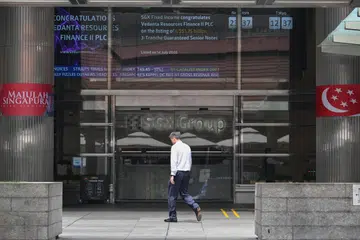
There were not many hopeful that the Singapore Exchange would issue a strong set of numbers, no thanks to anaemic trading volumes in the local stock market and an inactive IPO market over the period. The exchange didn't disappoint - with profits slipping for the third straight quarter in the final quarter, Asia's third largest bourse by market value said it earned S$320.4 million, down 5 per cent from a year ago on the back of a 4 per cent drop in revenue.
But DBS Group Research pointed out that while securities trading volumes slipped, trading values had improved, signalling some stabilisation. The derivatives business remained a bright spot.
The uninspiring full-year showing overall, however, was not a major eye-opener. The signs were pretty much evident in most pockets or sectors here which are growth linchpins.
"Key segments of Singapore's economy have published weak trends year to date - retail, tourism, advertising spend, industrial production, exports as well as property price/transaction volumes," said Citi Research.
"Anemic demand for exports, escalating costs and tighter labor policies have impacted businesses, especially SMEs (small and medium-sized enterprises). While Singapore has historically performed well during developed markets recovery periods, it may 'lose market share' in this cycle and growth rates may not rebound as much," said Citi.