

Mizuho plans more Singapore hiring to power next phase of Asia growth
India tops the list of preferred investment destinations for Japanese clients, says Apac CEO Koichi Zaiki

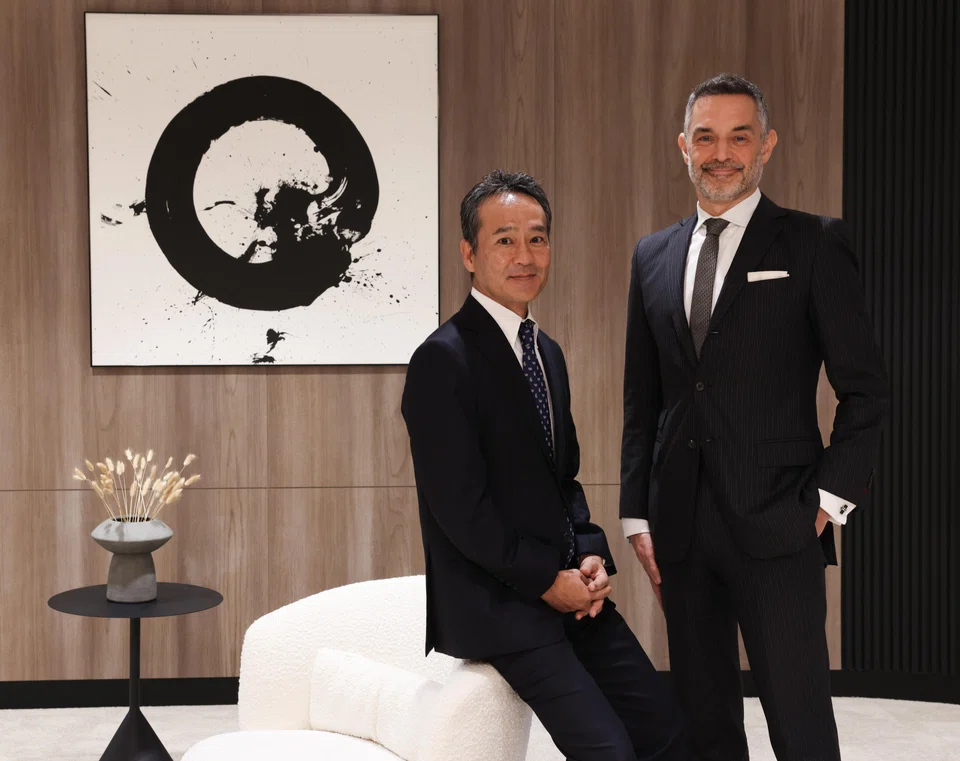
[SINGAPORE] Japanese banking giant Mizuho is looking to further expand its Singapore workforce and strengthen capabilities in selected areas to meet growing client demand, said Koichi Zaiki, its Asia-Pacific chief executive.
While the bank has not set a specific hiring target, it has grown its Singapore headcount – including employees in its Mizuho Securities arm – by 30 per cent over the past three years to about 1,200, he told The Business Times in a recent interview.
Future hiring is expected to be more measured than the pace seen in recent years, with recruitment focused on areas such as sector coverage, loan syndication, advisory and global markets.
Singapore serves as Mizuho’s Asia-Pacific headquarters, supporting its operations across 14 markets in the region.
The Republic is “an important foreign exchange trading centre and commodities trading centre”, said Zaiki. “We also have our regional IT hub here, where we’re investing in a data centre.”
He added: “We’re really concentrating everything here and supporting the 14 markets both on business and governance.”
Mizuho’s Singapore operations accounted for about a fifth of its Asia loan book outside Japan as at Mar 31, based on parent Mizuho Financial Group’s latest financial statements.
Outstanding loans in Singapore stood at roughly 1.5 trillion yen (S$12 billion), making it one of the bank’s largest markets in the region.
Other major markets include Thailand, with 1.1 trillion yen in loans; India, with 983.2 billion yen; and Hong Kong, with 902.6 billion yen.
For the fiscal year ended Mar 31, Mizuho posted a 41 per cent rise in profit attributable to owners to 1.2 trillion yen, from 885.4 billion yen the year before.
Among Japanese clients seeking overseas growth opportunities, India tops the list of preferred investment destinations, Zaiki said.
He attributed the country’s appeal to its population of 1.4 billion people, offering a vast consumer base, as well as its longstanding ties with Japan.
“These lists have ups and downs,” he said. “India is on top of the list now, and Vietnam follows as a supply chain investment destination.”
India’s rapid development in renewable energy, particularly solar power, is attracting strong interest from Asian investors as well, said Joris Dierckx, Mizuho’s head of Asia-Pacific banking, who was also present at the interview.
The country’s technology sector – including fintech and insurance technology companies – as well as healthcare segment are also drawing significant investor attention.
“There are other sectors, of course, but I think those three stand out as particularly investable and attract a lot of capital,” said Dierckx.
For Vietnam, Zaiki pointed to the country’s “good infrastructure” and young labour force as factors that continue to draw investor interest, even as US tariffs on the country remain “quite high”.
Beyond supporting the financing needs of Japanese companies overseas – an area where Mizuho has traditionally been strong – the bank is also looking to capture capital flows from China into other parts of Asia and South-east Asia, he said.
“That’s one major area that we’re pursuing. We already serve many of these clients in their home market, and we believe we can support them even more as they invest overseas.”
Watching energy markets
One sector Mizuho is watching closely amid the Middle East conflict is energy, including power generation and oil and gas companies.
For the lender, the key risk is a prolonged conflict that threatens not only energy prices, but also the availability of supply, said Zaiki.
Still, he noted that the impact of the conflict has been markedly different from that of the Covid-19 pandemic.
“The pandemic hit like a cliff,” he said, describing the current situation as a more gradual and evolving challenge.
“Whether the conflict is settled by summer or not could be one important reference point for us in evaluating the overall situation.”
Client responses have been varied. Some, particularly those in energy-related sectors, remain in “firefighting” mode as they manage immediate disruptions.
Others are holding back investment and preserving liquidity as they wait for greater clarity on the conflict and its potential impact on inflation.
The conflict has also reinforced the need for companies to diversify their supply chains, Zaiki added.
“Many companies are already doing it, but they may think about it even more once the current Middle East situation settles.”
For Mizuho, that could create opportunities to support clients through debt and equity financing as they reshape their operations and expand into new markets.
“When this settles, people will go back to enhancing corporate value,” he said.
“At the same time, they’ll be thinking about how to be better prepared for the next crisis. In both areas, we believe we can contribute.”
TRENDING NOW

Britain’s mansion tax shows the difficulty of targeting wealth

Once staunchly pro-China, Malaysian Chinese businesses are now distancing themselves from Beijing

The only common thing in S-E Asia is that we all eat rice: Cisco’s Asean president

Singapore data centre operator DayOne opts for US IPO at likely US$20 billion valuation

