MPACT dragged by higher finance costs; Hong Kong’s Festival Walk weak even as VivoCity thrives 

Jude Chan
Published Fri, Oct 28, 2022 · 05:13 PM
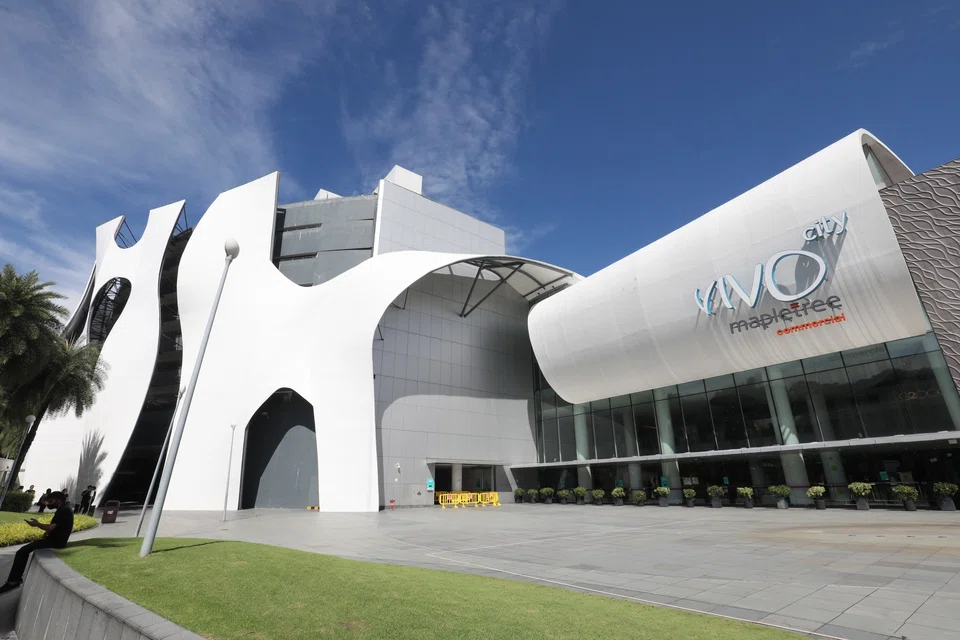
    • There was a 49.4 per cent surge in H1 shopper traffic at VivoCity. Tenants’ sales jumped 48.4 per cent to surpass pre-Covid levels.
    • There was a 49.4 per cent surge in H1 shopper traffic at VivoCity. Tenants’ sales jumped 48.4 per cent to surpass pre-Covid levels. FILE PHOTO: BT

    THE manager of Mapletree Pan Asia Commercial Trust (MPACT) on Friday (Oct 28) said it does not expect a miraculous recovery for its Festival Walk retail mall in Hong Kong amid China’s strict zero-Covid policy.

    One of MPACT’s three “core assets” alongside VivoCity and Mapletree Business City (MBC) in Singapore, Festival Walk was a key blemish on what was otherwise a solid set of results for the real estate investment trust (Reit).

    In its first results announcement post-merger, the Reit posted a 12.5 per cent increase in distribution per unit (DPU) to S$0.0494 for the first half ended September, with gross revenue and net property income (NPI) both rising 44.9 per cent.

    The growth was credited mainly to the contribution from properties acquired through the merger of Mapletree Commercial Trust (MCT) with Mapletree North Asia Commercial Trust (MNACT). MCT was renamed MPACT following the completion of the merger in August.

    The Reit manager also attributed the improvement in financial performance to higher contributions from VivoCity and MBC, even as Festival Walk continued to weigh on the Reit’s performance.

    MPACT’s portfolio average rental reversion stood at a positive 1.1 per cent in the first half, with about 1.1 million square feet (sq ft) of net lettable area (NLA) renewed or re-let. Festival Walk’s average rental reversion, on the other hand, was negative 11.5 per cent in H1.

    Shopper traffic and tenants’ sales in Festival Walk dipped in H1, down 0.7 per cent and 0.5 per cent year on year, respectively. Tenants’ sales at Festival Walk are now nearly 30 per cent below pre-Covid levels.

    In contrast, VivoCity clocked a 49.4 per cent year-on-year surge in shopper traffic in H1; tenants’ sales there jumped 48.4 per cent to surpass pre-Covid levels.

    Sharon Lim, chief executive officer of the MPACT manager, speaking at an earnings call on Friday following the release of the H1 results after the market close the day before, said: “Festival Walk cannot just turn over miraculously from what it is overnight. I think we just have to be very realistic.”

    She noted that the negative 11.5 per cent rental reversion for Festival Walk was already “definitely a vast improvement”, having narrowed from negative 30 per cent in the previous year. “There’s still softness – there’s no denial – but I would say that the traction is getting better over the months,” she said.

    The way she sees it, the recovery of Festival Walk is “highly dependent” on the reopening of Chinese borders. “When borders open, my confidence level will shoot up very, very high, because Chinese shoppers, rather than foreign tourists, make up the (biggest) percentage of our shoppers,” she said.

    Meanwhile, like its Reit peers, MPACT is also expected to face cost pressures from rising interest rates.

    As at end September, its aggregate leverage stood at 40.1 per cent, with a weighted average all-in cost of debt at 2.44 per cent per annum, and an average term-to-maturity of debt at three years.

    Some 72.5 per cent of its S$6.95 billion of borrowings are hedged to fixed interest rates; about 88 per cent of its distributable income is either derived in or hedged to Singapore dollars.

    In a flash note on Oct 27, Citi analyst Brandon Lee cut his DPU estimates for MPACT by 2.8 per cent for FY2023 and by 5.7 per cent for FY2024 due to “higher debt cost assumption”. This implies a forecasted DPU growth of 2.3 per cent for FY2023; DPU growth is expected to stay flat in FY2024.

    Citi has lowered its target price for MPACT by 11 per cent to S$1.70, from S$1.90 previously, while keeping its “neutral” recommendation.

    “The bottom line, when we look at debt… (is that) we’re in a very interesting period now,” said MPACT’s Lim.

    The “burning questions” for most chief financial officers (CFOs) of the Reits, she said, are when they think the rising interest rates will taper off, and how long they want to lock in their loans for.

    “The tenure will be a valid question for most CFOs to ponder over, as to how long they want to lock their debt,” she said. “I don’t think any CFO has the answer today.”