

Muse powers Meta to cusp of US$2 trillion in best month since 2013
It marks a dramatic reversal for the stock, which struggled amid doubts on AI costs and legal risks
META Platforms is finally seeing the stock breakout that beleaguered bulls had been banking on.
The Facebook parent’s shares jumped 36 per cent in September as at market close on Thursday (Sep 24), following the release of its Muse personal artificial intelligence assistant, which has risen quickly to the top of app charts and muffled concerns that heavy spending on AI won’t pay off.
The stock is on pace for its best month since July 2013 and within striking distance of joining an elite group of companies worth at least US$2 trillion.
“Muse clearly validates its AI strategy and position, after a year and a half where the stock was basically flat because people didn’t know if AI was going to be a net positive or a net negative,” said Rob Biederman, co-founder and managing partner of Asymmetric Capital Partners.
“It’s logical that AI agents will become the front door to the Internet for a lot of people, which puts the balance of power in Meta’s favour,” he added.
Meta shares fell more than 3 per cent in early trading on Friday, paring their gain for the week to about 13 per cent.
This month’s rally has marked a dramatic reversal for Meta, whose shares struggled for much of the year amid doubts about its costly AI efforts and legal risks stemming from lawsuits targeting its social-media business.
Less than six weeks ago, Meta shares were down 18 per cent for the year in the wake of a disappointing revenue forecast in late July, putting the stock among the 50 worst performers in the S&P 500 until Aug 18 inclusive.
Since then, however, Meta has ranked among the best performers in the benchmark with a gain near 40 per cent.
SEE ALSO




The recovery began after the company agreed late last month to pay as much as US$18 billion to settle a social-media lawsuit, removing a major overhang for the stock.
But the biggest factor is excitement about new AI products and the potential revenue lift they could bring, which is giving investors such as Biederman optimism that Meta shares have room to run.
In a sign of how impressed investors are with Muse, they’ve been dumping the shares of companies in a broad range of industries over fears about potential disruption, similar to sell-offs earlier this year sparked by AI startup Anthropic.
Already, Meta has announced a grocery-selling partnership with Instacart-owner Maplebear, as well as one with online travel agency Expedia.
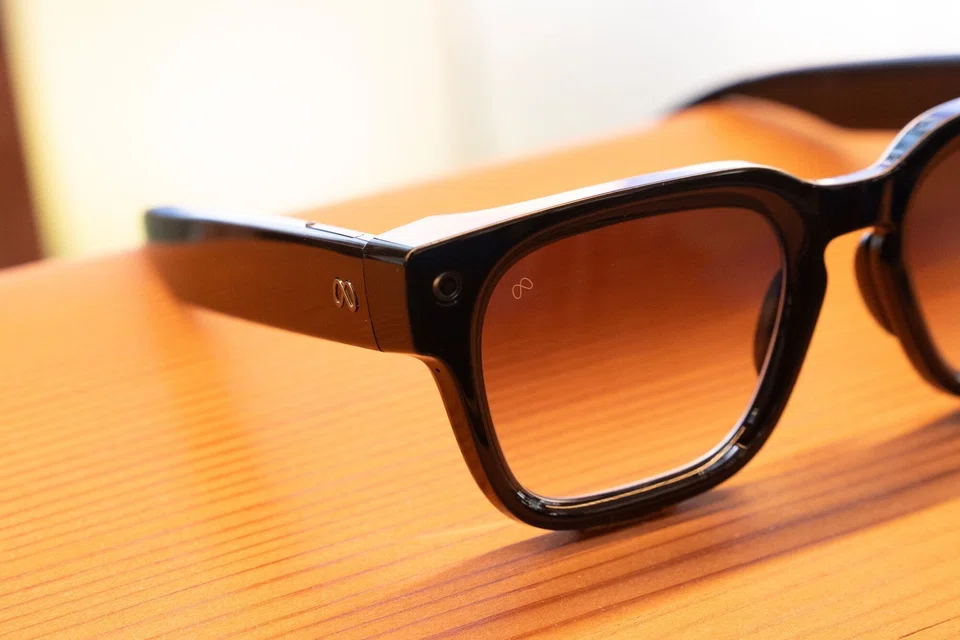
At an event on Wednesday, Meta unveiled a number of products that analysts praised, including a palm-sized gadget for using Muse, as well as camera-free versions of its smart-glasses line-up.
“There’s still meaningful upside potential as Meta is in the early stages of releasing frontier models and AI-driven products beyond advertising,” JPMorgan analyst Doug Anmuth said in a Sep 10 note raising his rating on the stock to “overweight” from “neutral”.
Justifying the expense
Of course, Meta still has a long way to go in proving it can make enough money from its AI efforts to justify the vast expense.
Capital spending is expected to be nearly US$140 billion this year, double the roughly US$70 billion Meta spent in 2025. That figure is expected to swell to US$197 billion next year and US$215 billion in 2028.
The heavy spending is taking a toll. After generating US$46 billion in free cash flow last year, Meta is expected to have negative free cash flow of US$6.4 billion in 2026, and negative US$29.2 billion next year.
That’s putting pressure on the company to deliver growth. Sales are expected to rise 26 per cent to US$254 billion in 2026 while net income is forecast to expand 33 per cent to US$80.6 billion, based on the average of analyst estimates compiled by Bloomberg.
However, revenue and profit growth are projected to slow in 2027 to 20 per cent and 9 per cent, respectively.
Meta is priced at 21 times profit expected over the next 12 months, indicated data compiled by Bloomberg.
While that’s up significantly from a June low of less than 14 times, it’s roughly the average multiple the stock has traded at over the past three years and a slight discount to the Nasdaq 100 at 22 times.
“Right now, Meta offers a below-market multiple for above-market growth, which is attractive on its own, but it also has massive scale and distribution, which are advantages that will be really hard for competitors to overwhelm,” Biederman said.
Wall Street remains widely positive on Meta with more than 90 per cent of the analysts tracked by Bloomberg rating the stock a “buy”. But the shares are trading around the average price target, suggesting upside could be limited over the next 12 months.
Given the extent of the rally, Meta shares are vulnerable to a pullback considering how quickly perceptions can change in the market for AI services, noted Brandon Pizzurro, who helps oversee US$29 billion in assets as chief investment officer of GuideStone Funds.
“Sentiment on the big players seems to change as often as new AI models get released, and something like Muse gives markets the sugar rush of a new catalyst,” he said.
“But there’s an increasingly high bar to impress investors, and rightful trepidation on whether these companies can deliver.” BLOOMBERG
Decoding Asia newsletter: your guide to navigating Asia in a new global order. Sign up here to get Decoding Asia newsletter. Delivered to your inbox. Free.
Share with us your feedback on BT's products and services






