

Netflix to buy Warner Bros Discovery’s studios, streaming unit for US$72 billion
The deal will further tilt the power balance in Hollywood in favour of the streaming giant
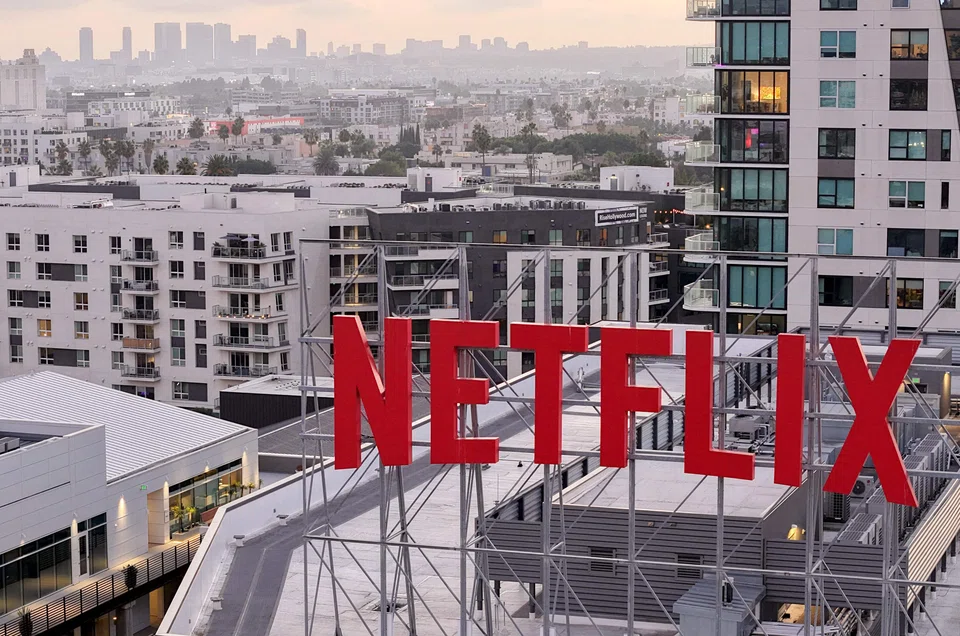
[LOS ANGELES] Netflix on Friday (Dec 5) agreed to buy Warner Bros Discovery’s TV, film studios and streaming division for US$72 billion, a deal that would hand control of one of Hollywood’s most prized and oldest assets to the streaming pioneer.
The deal represents a dramatic plot twist for Netflix, which rewrote the Hollywood script, upending how and when consumers watch movies and television shows. Suddenly, it has become the thing it disrupted – a mainstream studio.
“I know some of you are surprised that we’re making this acquisition – and I certainly understand why,” Netflix Co-CEO Ted Sarandos said on a call with investors. “Over the years, we have been known as builders, not buyers ... but this is a rare opportunity that’s going to help us achieve our mission to entertain the world, and bring people together through great stories.”
The agreement follows a weeks-long bidding war in which Netflix offered nearly US$28 per share, eclipsing presumed front-runner Paramount Skydance, which made a series of unsolicited bids to acquire all of Warner Bros Discovery, including the cable TV assets slated for a spinoff.
Netflix, which has spent a decade developing such original series as Stranger Things, Bridgerton and films like KPop Demon Hunters, will gain access to Warner Bros’ vast trove of content, built over the last century, including marquee franchises such as Game of Thrones and Harry Potter, and DC Comics’ roster of superheroes, including Batman and Superman.
The two companies together will “help define the next century of storytelling,” said Sarandos, who had once said “the goal is to become HBO faster than HBO can become us.”
Warner Bros Discovery shares rose 3.2 per cent to US$25.33, while Netflix fell about 0.2 per cent and Paramount 6.1 per cent. Paramount and Comcast, the third suitor, did not immediately respond to requests for comment.
Paramount offered US$30 a share for Warner Bros Discovery, CNBC reported. Reuters could not verify the report and it was not immediately clear when the offer was made.
Strong antitrust scrutiny likely
The Netflix deal, however, is likely to face strong antitrust scrutiny in Europe and the US as it would give the world’s biggest streaming service ownership of a rival that is home to HBO Max and boasts nearly 130 million streaming subscribers.


“There will be resistance from parts of Hollywood and various unions,” said Tom Harrington, head of television at Enders Analysis in London. “HBO, the creative jewel, would be terribly exposed within Netflix, although it has survived difficult owners for a lot of its existence.”
David Ellison-led Paramount, which kicked off the bidding war with a series of unsolicited offers and has close ties with the Trump administration, had questioned the sale process earlier this week and alleged favourable treatment to Netflix.
Even before the bids were in, some members of Congress said a Netflix-Warner Bros Discovery deal could harm consumers and Hollywood.
Cinema United, a global exhibition trade association, has said the deal poses an “unprecedented threat” to movie theatres worldwide, while former WarnerMedia CEO Jason Kilar said he could not think of “a more effective way to reduce competition in Hollywood than selling WBD to Netflix.”
Looking to allay some concerns, Netflix said the deal would give subscribers more shows and films, boost its US production and long-term spending on original content and create more jobs and opportunities for creative talent. The company argued in deal talks that a combination of its streaming service with HBO Max would benefit consumers by lowering the cost of a bundled offering.
Netflix’s Co-CEO Greg Peters told investors the company could package the streaming services together in a bundle – or find ways to introduce HBO Max to Netflix subscribers. The streaming service has a long history of building audiences for television series, as it did for Breaking Bad or the legal drama Suits.
The company has told Warner Bros Discovery it would keep releasing the studio’s films in cinemas in a bid to ease fears that its deal would eliminate another studio and major source of theatrical films, according to media reports.
“In light of the current regulatory environment, this will raise eyebrows and concerns. The combined dominant streaming player will be heavily scrutinised,” said PP Foresight analyst Paolo Pescatore.
“We should expect this to wrangle on given Paramount Skydance pursuit for Warner Bros Discovery.”
Cash-and-stock deal
Comcast, the third suitor, was trading little changed.
Under the deal, each Warner Bros Discovery shareholder will receive US$23.25 in cash and about US$4.50 in Netflix stock per share, valuing Warner at US$27.75 a share, or about US$72 billion in equity and US$82.7 billion including debt.
The deal represents a premium of 121.3 per cent to Warner Bros Discovery’s closing price on Sep 10, before initial reports of a possible buyout emerged.
The deal is expected to close after Warner Bros Discovery spins off its global networks unit, Discovery Global, into a separate listed company, a move now set for completion in the third quarter of 2026.
Netflix has offered Warner Bros Discovery a US$5.8 billion breakup fee, while Warner Bros Discovery would pay Netflix US$2.8 billion if the deal collapses.
Netflix said it expects to generate at least US$2 billion to US$3 billion in annual cost savings by the third year after the deal closes.
Netflix growth worries
Analysts have said Netflix is driven by a desire to lock up long-term rights to hit shows and films and rely less on outside studios as it expands into gaming and looks for new avenues of growth after the success of its password-sharing crackdown.
Its shares are up just 16 per cent this year, after surging more than 80 per cent in 2024, as investors worry its breakneck growth could be slowing, especially after it stopped disclosing subscriber figures earlier this year.
The company has leaned on its ad-supported tier to drive growth, but that is not expected to be a major revenue engine until next year, while analysts say its push into video games has stumbled amid strategy shifts and executive departures.
Buying Warner Bros, however, could deepen its gaming bet. Warner Bros Discovery is one of the few entertainment companies to notch big successes in the sector, including its Harry Potter title Hogwarts Legacy, which has generated more than US$1 billion in revenue. REUTERS
Decoding Asia newsletter: your guide to navigating Asia in a new global order. Sign up here to get Decoding Asia newsletter. Delivered to your inbox. Free.
Share with us your feedback on BT's products and services
TRENDING NOW

LTA proposes combining car COE categories, adding rebate-surcharge system

StarHub to acquire MyRepublic’s mobile business amid ongoing telco consolidation

DBS, OCBC, UOB rout lops billions off STI as inflation, rate concerns spook investors

Grab CEO’s wife Chloe Tong on life with Anthony Tan and finding her purpose

