

New Hyflux investor to engage with PnP holders 'as soon as practicable'

Fiona Lam
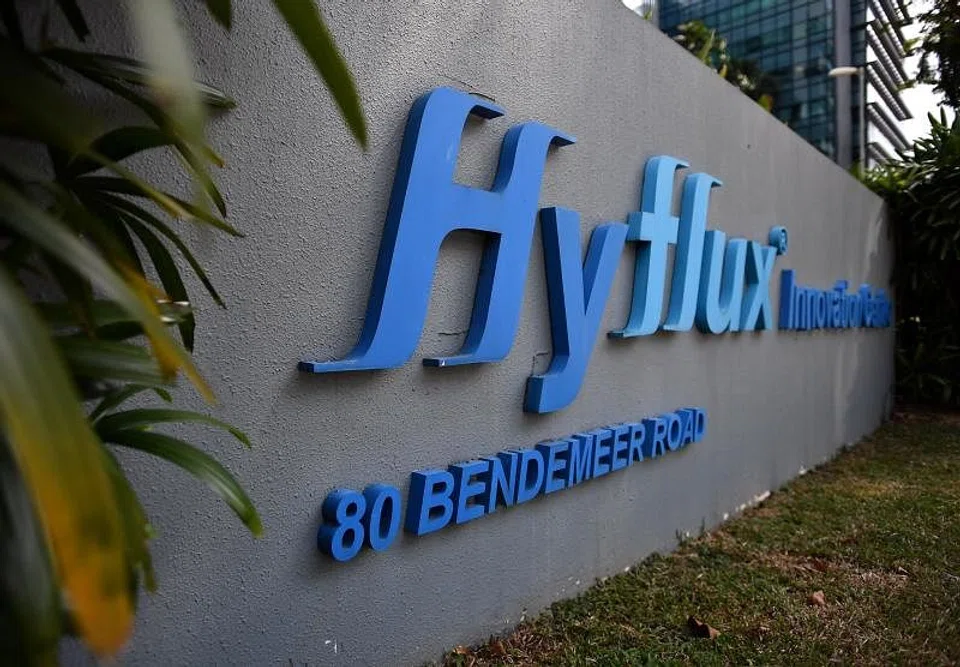
AQUA Munda has poured cold water on the hopes of Hyflux's perpetual securities and preference shares (PnP) holders - for now.
The potential investor on Monday said it had received queries from some PnP holders about whether it will table any proposal for their consideration.
However, it is still focusing on launching its invitation for Hyflux's noteholders and unsecured creditors to tender their debts for it to purchase, Aqua Munda said in a press statement.
"We intend to engage with PnP holders through the Securities Investors Association (Singapore) and its advisers as soon as practicable after the close of the invitation," the Singapore-registered company added.
If successful, its proposed purchase of some S$1.8 billion in notes and unsecured debt is meant to facilitate on an expedited basis a restructuring that is fair and equitable for all stakeholders, the company said on Monday.
"We would like to assure PnP holders and shareholders as well as other stakeholders (including the eligible creditors) that we are aware of the tight timelines and the pressure on Hyflux to undertake and complete its debt restructuring exercise."
On Monday, Hyflux said in a bourse filing that it will make the appropriate announcements as and when there are any further material developments on the matter.
Aqua Munda added an unexpected fresh gurgle to the Hyflux saga last week, when it floated a proposal to buy out the beleaguered water treatment firm's 4.25 per cent notes due in 2018, the 4.6 per cent notes and 4.2 per cent notes due in 2019, as well as other senior unsecured, trade and contingent debt of Hyflux and three of its subsidiaries.
Copyright SPH Media. All rights reserved.
TRENDING NOW

He built the Vingroup empire. Now South-east Asia’s richest man is handing some key roles to his sons

US dollar falters after Iran’s offer to reopen Hormuz sends oil lower

Temasek’s Wan Chee Foong to helm PIL, Lars Kastrup to be board adviser

Despite the de-dollarisation debate, demand for dollar liquidity in Asia is growing

