

No collateral needed for retail investors to trade
Regulator decides against implementing 5% collateral on open stock positions mooted in 2014 consultation paper

Angela Tan
Singapore
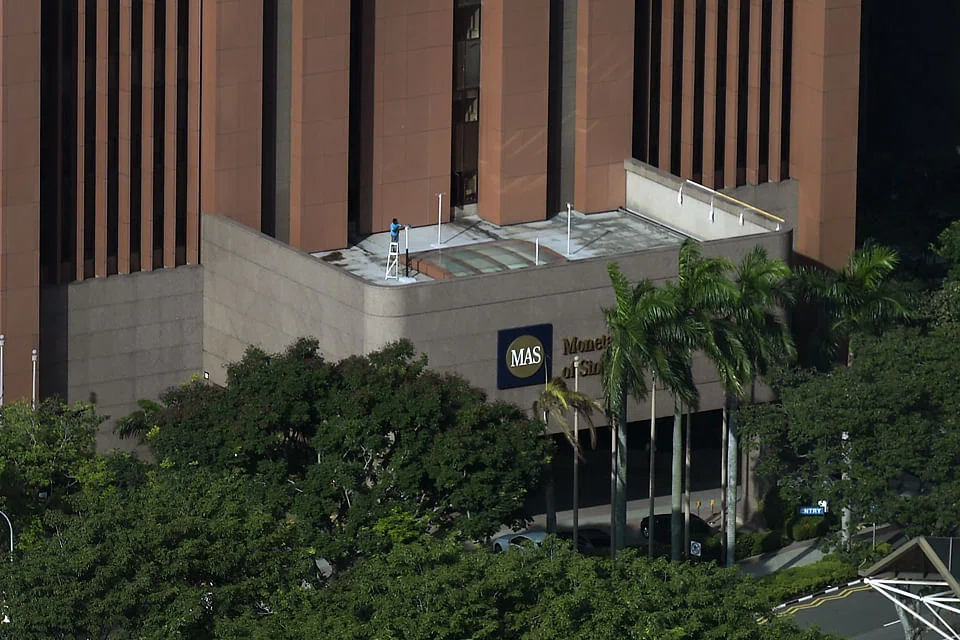
THE Monetary Authority of Singapore (MAS) has decided it will not need retail investors to pledge collateral on their open stock positions.
MAS said it has assessed the combined market impact of all the initiatives that have been implemented since 2014 to improve market functions and trading practices in the securities market here.
"Given the lower level of risk associated with contra trading and the new measures implemented to improve risk management practices in the industry, MAS has assessed that there is no need to introduce collateral requirement for the trading of listed securities under current market conditions," the regulator said.
Stock brokers and remisiers welcomed the decision. They had expressed concern over a proposal in a 2014 SGX-MAS consultation paper for retail investors to stump up a sum equivalent to 5 per cent of their open positions.
Carol Fong, group CEO of CGS-CIMB Securities, said: "The Singapore market remains challenged and our remisiers and dealers are bearing the brunt of lower market activity. I believe that our remisiers will be relieved to know that MAS has decided not to implement the 5 per cent collateral requirement as they perceive that this could result in a fall in contra trading activities."
OCBC Securities managing director Dennis Hong believes that investors will find the securities market more readily accessible without the additional hindrance .
"And this will contribute to vibrant growth in a controlled manner," Mr Hong said. He added that the brokerage will continue to monitor customers' trading activities and refine its risk management parameters, a move which has proven to be effective as credit issues have been benign.
Jimmy Ho, president of the Society of Remisiers in Singapore, said: "I applaud the MAS's decisiveness, wasting no time with initiatives that are impractical and harmful to the stock market."
The proposal had been prompted by the penny stock crash of 2013, which wiped S$8 billion in value from the Singapore market and left many remisiers burnt, as they are fully liable for the losses incurred by customers in the event of a default.
It was intended to instil responsible trading among retail investors, and sought to enhance credit risk management for securities intermediaries.
It was targeted at contra traders who buy stocks and then sell them within the settlement period in the hope of making a profit from the difference without putting up any cash upfront.
From October 2012 to October 2013, contra trading accounted for about 31 per cent of total trading value on the Singapore Exchange (SGX). It was allegedly exploited by Malaysian businessman John Soh Chee Wen and his girlfriend Quah Su-Ling to manipulate three stocks that were listed on the mainboard: Blumont Group, Asiasons Capital and LionGold Corp.
MAS noted, however, that contra trading activities have fallen significantly over the past few years. The implementation of a shorter settlement period for listed securities in December 2018 has reduced the window available to investors for contra trading. MAS has also implemented several measures, such as the reporting of short positions and publication of a Trade Surveillance Practice Guide with SGX to further promote fair, orderly and transparent trading.
The requirement for reporting short positions came into force in October 2018. A person who has a short position of 0.2 per cent of the total issued shares, or S$2 million, whichever is lower, in any specified capital markets products, such as shares, business trusts and real estate investment trusts (Reits), will have to report such short positions to MAS.
MAS will continue to closely monitor the risks associated with contra trading activities and the efficacy of the new measures to strengthen the securities market in Singapore, and assess if further measures are warranted.
"In this regard, MAS would like to remind financial institutions of the important role they play in having a robust credit risk management framework to effectively manage credit risks arising from their customers' trading activities," the regulator said.
Policies should include instituting appropriate pre-trade credit risk controls and performing continual monitoring and periodic stress testing. Financial institutions should consider their ability to withstand losses in setting their risk policies and limits.
MAS also said credit risk management functions should be segregated from other functions which might pose potential conflicts of interest, such as the front office function.






