

No Signboard controlling shareholder GuGong argues termination of agreements unlawful

Yong Jun Yuan
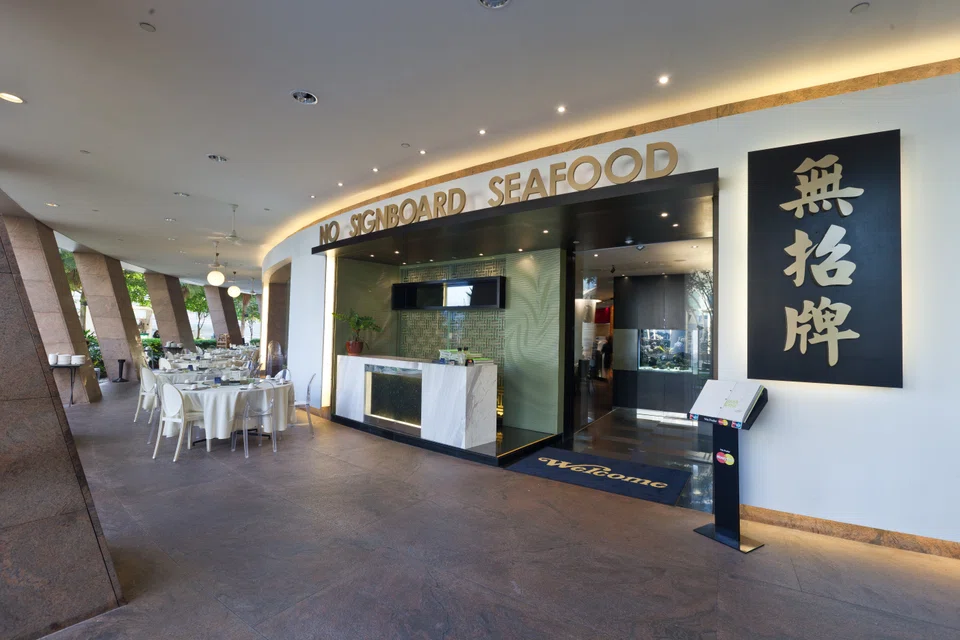
RESTAURANT operator No Signboard Holdings on Thursday (Mar 9) announced that it received a letter after market close on Wednesday from controlling shareholder GuGong regarding the former’s termination of the intellectual property disposal and independent contractor agreement.
GuGong’s lawyers stated in the letter that they see the company’s unilateral termination as unlawful and in breach of the agreements.
No Signboard said that it disagrees with the allegations and demands in the letter and intends to defend them “vigorously”.
The demands include the retraction of the notice of termination, which was announced on Mar 3, as well as payment to GuGong for costs it has incurred in connection with the matter.
On Mar 3, the company said that it would terminate the agreements to avoid having to seek shareholder approval, since the transactions would be considered “interested party transactions”.
This would then allow it to shorten the time needed to complete an implementation agreement with Gazelle Ventures. The investor plans to pay an initial S$500,000 for new shares in the company, as well as a further S$4.5 million for convertible redeemable preference shares.
No Signboard said that it will update shareholders when there are further material developments.
The company’s shares have been suspended from trading since Jan 24, 2022.
Decoding Asia newsletter: your guide to navigating Asia in a new global order. Sign up here to get Decoding Asia newsletter. Delivered to your inbox. Free.
Copyright SPH Media. All rights reserved.
TRENDING NOW

Grab CEO’s wife Chloe Tong on life with Anthony Tan and finding her purpose
US trade chief to consider trade deal tariff caps in excess capacity probe
Bee Cheng Hiang customers’ e-mail addresses exposed in Singapore’s first case of AI-related data breach
DFI Retail to take over Starbucks business in Asia from Maxim’s Caterers

