

Nvidia at risk of rating cut by S&P over governance concerns
This can boost its borrowing costs, a concern in the AI sector where access to capital is critical
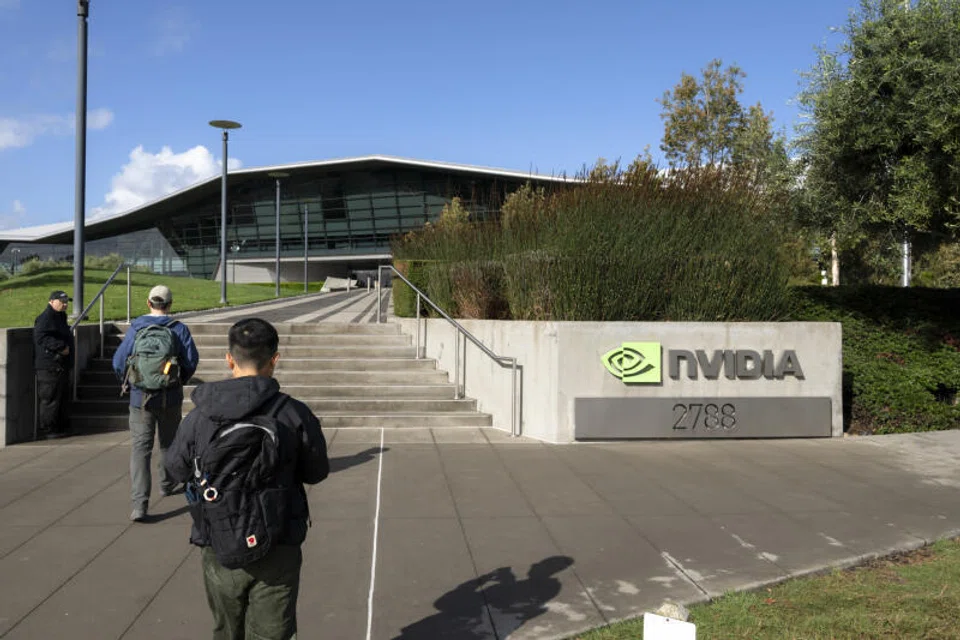
[NEW YORK] S&P Global Ratings is looking at cutting Nvidia’s credit by one notch, citing concerns over the company’s management and governance following the departure, and then the return, of chief executive officer Jensen Huang.
The bond grader said it may cut Nvidia’s AA rating, the third-highest level, after a 90-day review, known as putting the company on CreditWatch with negative implications.
S&P said it expects that any downgrade would be limited to one notch, unless the company’s future business prospects have been harmed.
Bond downgrades can boost a company’s borrowing costs, a particular concern in the artificial intelligence industry, where access to capital is critical for competing.
Nvidia is a key player in the AI ecosystem, because its products are a starting point for much of what is happening in AI.
Hyperscalers and neoclouds buy Nvidia chips for their data centres, then sell computing power to lab companies like Anthropic. Nvidia is an important source of financing for many companies in the AI world.

Nvidia’s board reinstated Huang on Monday (Nov 23) less than two weeks after he left the company under a cloud of scandal.
He had had multiple extramarital affairs, including at least one with a subordinate and another with a woman the US government has investigated for spying on behalf of China.
His return marked a departure from standard corporate governance practices. Meanwhile, the company has drawn scrutiny for its ties to China and questions about its compliance with chip export controls.




“News regarding the CEO and questions regarding potential export control violations have exposed vulnerabilities in Nvidia’s management and governance framework, especially in regard to its board structure, composition, and effectiveness,” S&P said.
Nvidia has about US$32.5 billion of bonds in the US high-grade corporate bond index, according to Bloomberg index data.
The back and forth on Nvidia’s leadership has rocked stocks and bonds over the past few weeks, with Huang’s role in the company seen as crucial not only for Nvidia’s own prospects but also for the broader AI infrastructure build-out.
US President Donald Trump has pushed to restore Huang to Nvidia saying his management did not represent a threat to national security.
Huang has apologised to employees and said he was in therapy. Still, the saga is unlikely to be over, with Huang set to testify in congressional hearings in December.
S&P’s move comes after its peer, Moody’s Ratings, last week lowered Nvidia’s outlook to stable from positive, also citing governance concerns after Huang’s ouster.
The shift in outlook means that Nvidia’s Aa1 credit grade, the second-highest investment-grade rating, is unlikely to get a boost over the next 12 to 18 months, Moody’s said in a statement.
A key measure of Nvidia credit risk hit a fresh high on Wednesday as AI debt concerns surged. The cost to protect the company’s debt for five years against default increased as much as 6 basis points to 147.27 basis points annually, an intraday record, according to ICE Data Services. BLOOMBERG
Decoding Asia newsletter: your guide to navigating Asia in a new global order. Sign up here to get Decoding Asia newsletter. Delivered to your inbox. Free.
Share with us your feedback on BT's products and services
TRENDING NOW

As Indonesia picks new vice-president to succeed Gibran, investors see risks and opportunities

US proposes new tariffs on 14 trading partners, including rate of up to 20% for Singapore

StarHub-M1 deal could add to Keppel’s special dividends but analysts flag potential wait

South-east Asia has lost Nvidia’s best salesman

