

Oil and gas markets eye risk of escalation as Gaza war deepens
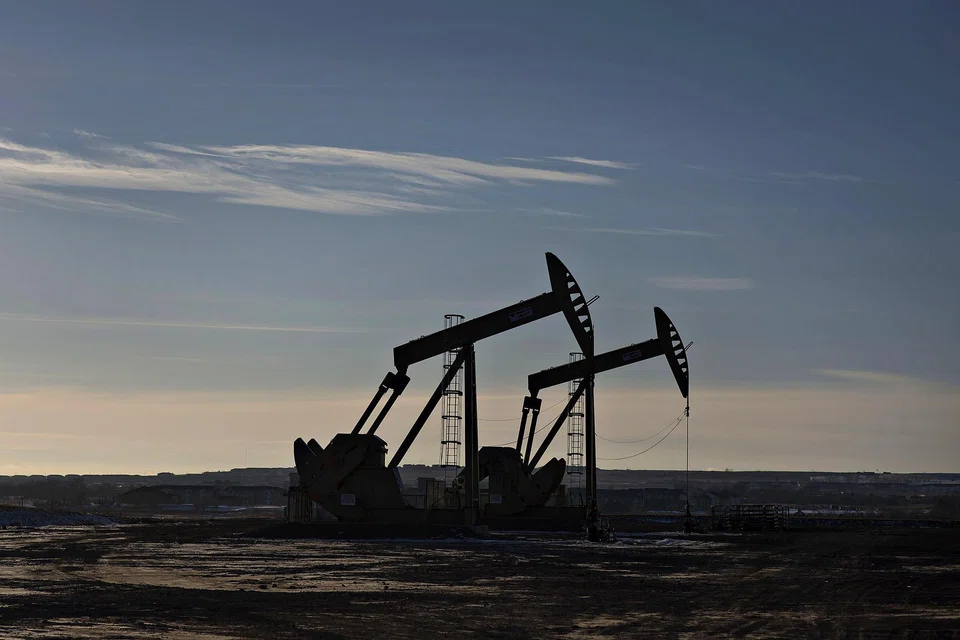
OIL and gas markets are set for another volatile week of trading after Israel began its long-anticipated ground invasion of Gaza.
The biggest risk to crude prices after the invasion remains any escalation to other regional powers. The Middle East supplies about a third of the world’s oil and Iran, which backs Hamas and other regional militant groups, said over the weekend that the incursion “may force everyone to take action”.
Crude was trading on Friday (Oct 27) when Israel stepped up ground operations, and West Texas Intermediate surged as much as 3.2 per cent to trade above US$85 a barrel. However, that remains below its highest point since the conflict broke out – just above US$90 – as so far there’s been no real impact on global supplies.
“Concerns that the war may spill over into a broader regional conflict – with the potential to disrupt oil supplies – do raise the upside risks to oil prices,” said Giovanni Staunovo a commodity analyst at UBS. “Prices are likely to be supported at the start of the week, although so far there has been no reported disruption in oil supplies.”
The outbreak of the conflict has already led to several weeks of sharp swings in intraday trading. One gauge of oil-market volatility, which measures the pace of price moves, climbed to its highest level since June on Friday.
Increased fighting with Iran-backed Hezbollah in Lebanon over the weekend may add to traders’ unease, while a worst-case scenario for oil markets is any disruption to the Strait of Hormuz, a vital waterway for crude.
Unlike oil supplies, gas markets have already seen production affected.
The Tamar gas field was shut by Israel after the Hamas attacks earlier this month, and though that has been partly offset by an increase in production at the nearby Leviathan field, it continues to underscore some of the risks to regional supply in both markets.
The threat of further escalation remains too. Iran followed up a previous call for an oil embargo on Israel by threatening further action at the weekend, without elaborating. Late last week, the US struck some sites in Syria too – a reminder that the world’s largest economy risks becoming embroiled in the conflict.
There have also been warnings to shipping in the Red Sea, after a US aircraft carrier in the waterway intercepted missiles fired from Yemen in the direction of Israel.
As a result, in financial markets, oil has been at the heart of wagers that the conflict could expand beyond Israel and Gaza. Traders have been snapping up options contracts that would profit from a leap in prices above US$100 a barrel over recent weeks.
“The volatility associated with trading spot oil contracts has been unforgiving,” said Michael Tran, an analyst at RBC Capital Markets. “There remains a significant degree of near-term price asymmetry given the spreading conflict.” BLOOMBERG
Decoding Asia newsletter: your guide to navigating Asia in a new global order. Sign up here to get Decoding Asia newsletter. Delivered to your inbox. Free.
Share with us your feedback on BT's products and services
TRENDING NOW

He built the Vingroup empire. Now South-east Asia’s richest man is handing some key roles to his sons

CPIB hauls Multi-Chem CEO, COO in for questioning; stock hits ‘circuit breaker’
SC Capital Partners sells Rivervale Mall in Sengkang for around S$276 million

From Haidilao to Oriental Kopi: How some of Asia’s favourite F&B players are faring in 2026

