

Oil climbs as China loosens curbs and Opec+ keeps output steady
 Add BT as a preferred source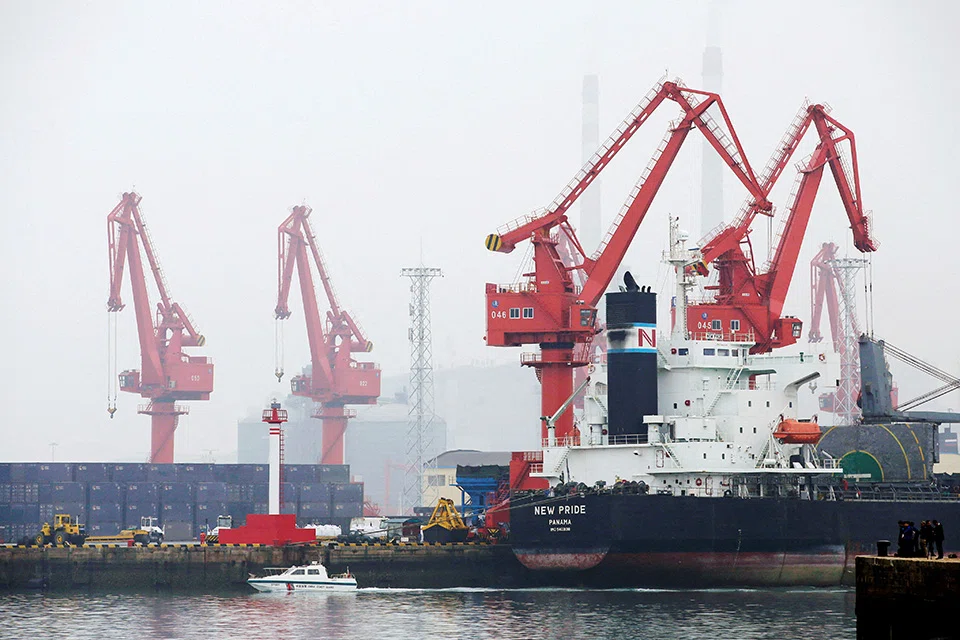
DeeperDive is a beta AI feature. Refer to full articles for the facts.
OIL advanced after China made more progress toward reopening, Opec+ kept output steady, and sanctions on Russian crude kicked in.
West Texas Intermediate rose above US$80 a barrel, paring an early surge, as key urban centres including Shanghai announced further easing of Covid restrictions over the weekend. The Organization of the Petroleum Exporting Countries and allies including Russia agreed to maintain production at current levels on Sunday (Dec 4), pausing to take stock of the global market.
To further punish Moscow for the invasion of Ukraine, the European Union (EU), in tandem with the Group of Seven (G7), agreed to impose a cap of US$60 per barrel on Russian crude, while banning most seaborne imports from Monday. The initiative is meant to penalise Russia financially, while keeping its oil flowing to other states. Russian Deputy Prime Minister Alexander Novak again rejected the cap, saying the country was willing to cut output if needed.
Oil’s gain is the latest twist in what has been an extraordinarily volatile year for the world’s most important commodity, with markets roiled by Europe’s largest land conflict since World War II, and an aggressive round of central bank tightening to fight runaway inflation. After hitting the lowest level since December early last week, US benchmark prices have since rebounded.
“It remains uncertain whether the plan will ensure the smooth flow of Russian barrels to Asian markets, or if there will be a material disruption,” RBC Capital Markets analysts said, referring to the price cap and potential fallout. “Any clear indication that Russia is prepared to cut off oil exports could cause prices to spike in the coming days.”
Oil traders have been fixated in recent weeks on China’s rapidly-shifting approach to handling Covid-19. Following a rare round of protests, authorities are moving to ease restrictions, aiding the outlook for energy demand as well as other commodities. Major cities including Shanghai, Shenzhen and Guangzhou have relaxed curbs in recent days, accelerating the shift towards reopening.
Navigate Asia in
a new global order
Get the insights delivered to your inbox.
Opec+’s agreement came after an online gathering, which replaced what was initially meant to be an in-person meeting at the group’s Vienna headquarters. The Joint Ministerial Monitoring Committee, which oversees the implementation of production cuts, will meet again on Feb 1, said delegates. Most analysts had expected no change in supply policy at the weekend’s session.
The price-cap deal for Russian crude was months in the making, as the US expressed concern that the EU’s bar on Russia’s oil and related insurance and financing services would lead to a damaging price spike. Still, the level now agreed upon is about US$10 above Russia’s key Urals grade, suggesting its impact on those flows may be limited. In Asia, however, the ceiling is below the price for Eastern Siberia Pacific Ocean (Espo) crude, which is loaded from Russia’s far east. BLOOMBERG
Decoding Asia newsletter: your guide to navigating Asia in a new global order. Sign up here to get Decoding Asia newsletter. Delivered to your inbox. Free.
Share with us your feedback on BT's products and services
TRENDING NOW

Ministry of Home Affairs Permanent Secretary Pang Kin Keong to retire

Shelving S$5 billion office redevelopment plan proved ‘wise’ as geopolitical risks mount: OCBC chairman

Richard Eu on how core values, customers keep Singapore’s TCM chain Eu Yan Sang relevant

China pips the US if Asean is forced to choose, but analysts warn against reading it like a sports result

