

Oil climbs over US$1 on tanker attacks, no progress on peace
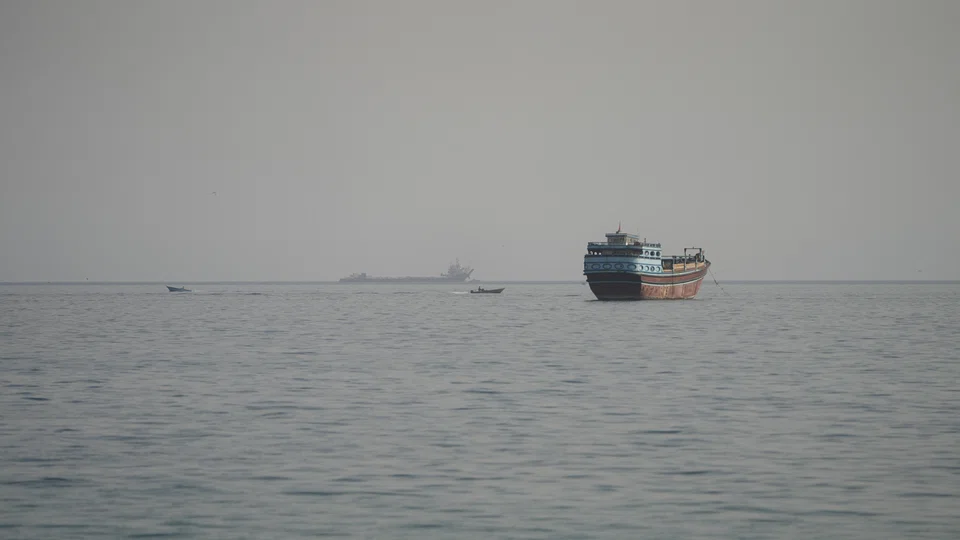
[HOUSTON] Crude oil futures climbed over US$1 a barrel on Friday (Aug 14) on tanker attacks and a lack of progress on a peace agreement between the Trump administration and Iran’s leadership.
Brent futures settled at US$88.52 a barrel, up US$1.45 or 1.7 per cent. US West Texas Intermediate (WTI) crude futures finished at US$82.40, up US$1.15 or 1.4 per cent.
Brent and WTI were on track for weekly gains of 6 per cent and 5.4 per cent, respectively.
“We’re getting a rally going into the weekend after new attacks on tankers and lack of progress on a ceasefire agreement,” said Andrew Lipow, president of Lipow Oil Associates.
A “day of reckoning” may come if traffic in the Strait of Hormuz remains constrained, through which 20 per cent of global supply can pass, Lipow said.
“Crude oil prices might be US$80 a barrel, but diesel prices are US$180 a barrel and gasoline is US$130 a barrel and that’s what’s hitting the consumer,” Lipow said.
On Thursday, the US said it could maintain a naval blockade of Iran indefinitely and increase economic pressure on Tehran in response to stalled ceasefire talks.
“Watch this space for more announcements coming next week because we are going to apply measures like have never been seen in the history of economic isolation of a country,” Treasury Secretary Scott Bessent said on Newsmax’s “Rob Schmitt Tonight” programme.
As the US and Iran made claims over control of the strait, shipping traffic through the channel fell below the month’s average.

Before US-Israeli attacks on Iran began in late February, the strait handled about one-fifth of global oil and liquefied natural gas supplies.
Two vessels from state-owned Abu Dhabi National Oil Company were attacked while transiting the strait on Thursday, the United Arab Emirates’ state news agency WAM said, an incident the UAE government condemned as an Iranian attack.
“That’s the headline that pushed up prices: Tankers attacked,” said Phil Flynn, senior analyst for Price Futures Group.
Crude oil exports from Russia’s Sheskharis terminal at the Black Sea port of Novorossiysk were suspended on Friday following a drone attack, three sources familiar with the matter said, adding to disruptions at one of the country’s key export outlets.
Flynn said the Ukrainian attack on the port of Novorossiysk was also boosting prices. While Middle Eastern supplies are constrained, Opec forecasts pointed to weaker demand growth and US crude inventories posted their largest weekly increase in more than 3 1/2 years.
“This week’s reports by the IEA and EIA were quite revealing. Storage is holding up much better than feared, which should pull oil prices lower,” said Norbert Rucker, head of economics and next generation research at Julius Baer, referring to the International Energy Agency and US Energy Information Administration. REUTERS
Decoding Asia newsletter: your guide to navigating Asia in a new global order. Sign up here to get Decoding Asia newsletter. Delivered to your inbox. Free.
Share with us your feedback on BT's products and services
TRENDING NOW

Singapore to use ‘every legal and regulatory lever’ against companies linked to haze: Shanmugam

Far East Organization’s The Serra Residences sells less than a quarter of units released at average S$3,460 psf

DBS, OCBC, UOB face rate hike reality check

The only common thing in S-E Asia is that we all eat rice: Cisco’s Asean president

