

Oil drops in volatile trade, records biggest weekly slump in months
 Add BT as a preferred source
OIL prices settled lower in volatile trading on Friday (Dec 9), with both benchmarks recording their biggest weekly declines in months, as growing recession fears negated any supply woes after weak economic data from China, Europe and the United States.
US West Texas Intermediate crude settled 44 US cents lower at US$71.02 a barrel, a new low for 2022. Brent crude settled 5 US cents lower at US$76.10 per barrel.
“Any concerns about supply are secondary to worries about the economy,” Mizuho analyst Robert Yawger said.
Oil prices had found some support and risen more than 1 per cent earlier in the session after Russian President Vladimir Putin said the world’s biggest energy exporter could cut output in response to a price cap on its crude oil exports.
However, a slightly higher-than-expected rise in US producer prices in November, and news of a partial restart on the Keystone Pipeline undid those gains and pushed the benchmarks more than a dollar lower. Keystone shut earlier this week after a 14,000 barrel oil leak in Kansas.
The US producer prices index (PPI) rose slightly more than expected in November amid a jump in the costs of services, according to a report from the US Labor Department.
The increase may make it more likely that the Federal Reserve will “step on the accelerator” on interest rate hikes, furthering fears of a looming recession, Yawger said.
Both crude benchmarks posted weekly losses of around 10 per cent each. It was the biggest weekly decline since April for the US WTI futures, and since early August for Brent.
Both Yawger and Walter Zimmerman, chief technical analyst at ICAP, warned that if US crude falls below US$70 per barrel, it could enter a freefall and hit the low US$60s range over the upcoming sessions.
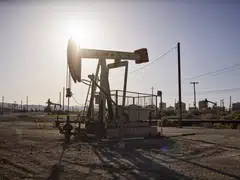

The market structure for WTI contracts switched to trade in contango over the next year for the first time since Nov 2020, with contracts for near-term delivery cheaper than one year later. Brent contracts have also switched to trade in contango over the next six months.
A market in contango suggests less worry about the current supply situation due to weakened demand, and encourages traders to put barrels in storage.
In China, surging Covid-19 infections will likely depress economic growth in the next few months despite some restrictions being eased, economists said.
Economists polled by Reuters forecast the US economy will hit a short and shallow recession in the coming year. Forecasters expect the US Federal Reserve to raise rates by 50 basis points (bps) on Dec 14.
The European Central Bank will also likely lift its deposit rate by 50 bps next week to 2 per cent, even as the euro zone economy is believed to already be in recession. REUTERS
Decoding Asia newsletter: your guide to navigating Asia in a new global order. Sign up here to get Decoding Asia newsletter. Delivered to your inbox. Free.
Share with us your feedback on BT's products and services
TRENDING NOW

‘Whole deck of cards just toppled’: FoodXervices’ Nichol Ng on how a 92-year-old family business unravelled – and what’s next

The Singaporean turning Vietnam's Techcombank into an AI-first lender

‘Even a CEO’s job can be replaced by AI’: DBS CEO Tan Su Shan bets big on agentic AI
Xi Jinping has just rewritten the rules of US-China rivalry

