

Oil rises as US dollar eases, China seeks to soothe economic woes
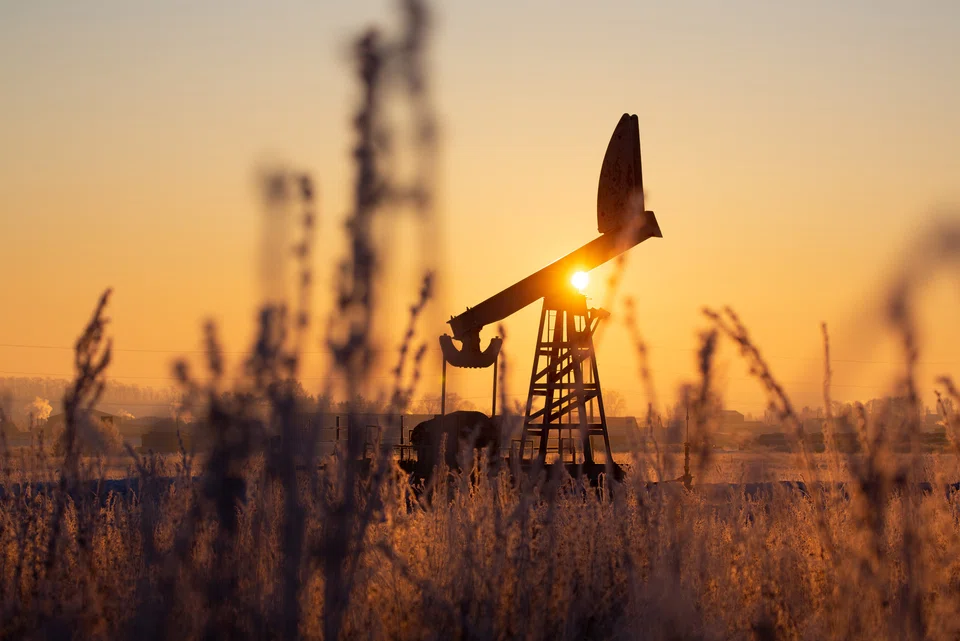
OIL prices rose on Thursday (Aug 17) after falling for three straight sessions, as the US dollar weakened and China’s central bank sought to bolster the property market and wider economy.
Brent crude futures rose 67 US cents, or 0.8 per cent, to US$84.12 a barrel, while US West Texas Intermediate crude was up US$1.01, or 1.3 per cent, at US$80.93 a barrel.
Prices fell more than 1.5 per cent in the previous session on worries about China’s embattled economy and potential for further increases in US interest rates.
China’s central bank said it would keep liquidity reasonably ample and maintain “precise and forceful” policy to support economic recovery against headwinds.
“Oil traders like the fact that China isn’t going to tolerate weakness in economic activity,” said Naeem Aslam at Zaye Capital Markets.
The US dollar index slipped off a two-month high the day after Federal Reserve meeting minutes left the door open for more rate hikes and data this week indicated a resilient US economy.
Higher interest rates increase borrowing costs, which could slow economic growth and reduce oil demand.
On a bullish note, China made a rare draw on crude oil inventories in July, the first time in 33 months it has dipped into storage.
Data released on Wednesday showed that US crude oil inventories fell by nearly 6 million barrels last week on strong exports and refining run rates.
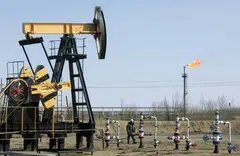
US petrol stocks however drew to the lowest in more than two months, US Energy Information Administration data showed on Wednesday. Weekly products supplied, a proxy for demand, rose to the highest since December.
“Travel demand has remained stubbornly strong,” said Dennis Kissler, senior vice president of trading at BOK Financial. Travel demand typically tapers after the US Independence day holiday on Jul 4.
Oil looks like it will find a home around the US$80 level as too many risks to the macroeconomic outlook remain on the table, said Oanda analyst Edward Moya. REUTERS
Decoding Asia newsletter: your guide to navigating Asia in a new global order. Sign up here to get Decoding Asia newsletter. Delivered to your inbox. Free.
Share with us your feedback on BT's products and services
TRENDING NOW

He built the Vingroup empire. Now South-east Asia’s richest man is handing some key roles to his sons
US dollar falters after Iran’s offer to reopen Hormuz sends oil lower

Temasek’s Wan Chee Foong to helm PIL, Lars Kastrup to be board adviser
Despite the de-dollarisation debate, demand for dollar liquidity in Asia is growing

