

Oil too overdone on the downside as demand outlook stays strong
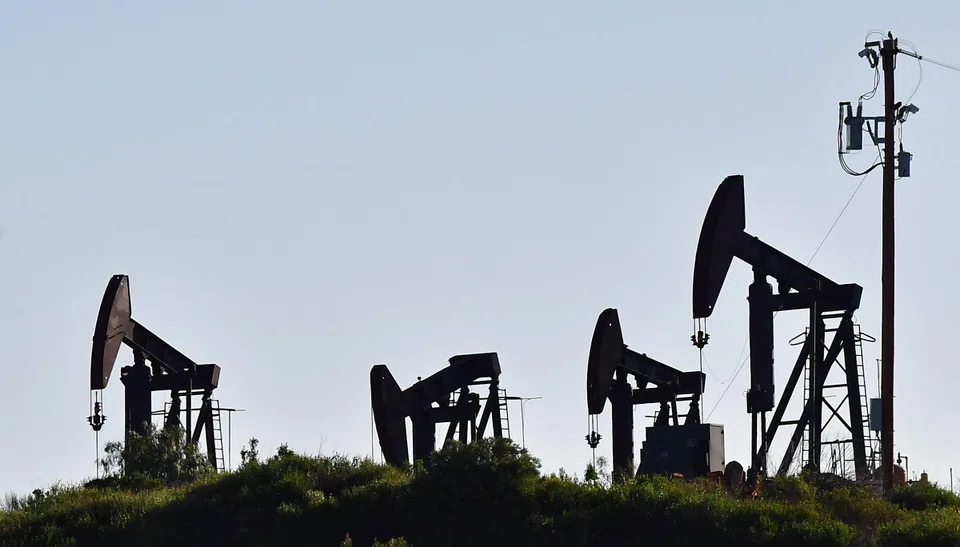
MAY, infamously known as the month of downtrends, can’t ring any truer for crude oil. West Texas Intermediate (WTI) mellowed below the strategic mark of US$70 per barrel again, at a level where the US aimed at refilling the lost barrels in its strategic reserve. Oil’s story throughout 2023 has taken many turns. Despite the upward boost in prices due to concerns of lost Russian barrels combined with Opec’s surprise cuts, optimism of Chinese demand revival has been completely swiped away by growing fears of cracks in the US banking foundation.
Chinese factory activity dropped in April 2023, making the road to recovery even bumpier while overwhelming banking fears re-surfaced in the US after the fallout of First Republic Bank. In a nutshell, the Chinese momentum which was driving crude oil prices in the first quarter has slowed down while the West’s fears of recession, expected by year-end, have unfolded. Together, they are weighing on the demand outlook of crude oil and reflected in price rallies.
According to the International Energy Agency (IEA) forecasts, the global demand for crude oil is expected to climb by 2.3 million barrels per day in 2023 to a record 101.9 million barrels per day. Over 60 per cent of the growth is attributed to the Chinese economic rebound, the world’s largest importer of crude oil. Opec+, despite the additional surprise cuts last month owing to a drop in business activity in the world’s largest economies, still sticks to the growth forecast, which matches the IEA estimates.
Air travel from China is expected to rise by 20 per cent this year, brightening jet fuel demand and augmenting the global demand outlook for crude oil. However, how sustainable is the recovery in mainland China and how well does it counter the growing concerns of economic deterioration in the West? Oil investors would have appreciated a little more clarity from the Federal Reserve, as it opened the door to a possible “pause” but made the approach to rate hikes “data-reliant”.
We would advise oil market players against being too optimistic about the limping Chinese recovery as of now, and watch out for clues on the economic health of the US economy, which in my opinion looks very dim and bleak currently. The bulk of the pressure comes from the debt ceiling issue, and liquidity risks within the banking sector, while most of the support comes from the diminishing supply following production cuts by the producer’s cartel and modest downgrading of inflation.
I have always regarded Chinese optimism as being too overvalued by oil bulls to pump up price rallies but even with highly intertwined expectations of recession and dents in the US banking foundation, oil is too overdone on the downside. What possible demand-supply imbalance justifies this drastic drop, especially when all big players like the IMF, Goldman Sachs, and even Opec continue to maintain their record-high demand outlook by year end?
Looking at the technicals, WTI trades between a wider downward channel, and a possible breakthrough both sides should be something investors should look out for. On the upside, the 20-day moving average and the 50-day moving average coincide at US$75.40 per barrel and will act as a strong immediate resistance.
The writer is market analyst at Phillip Nova
Decoding Asia newsletter: your guide to navigating Asia in a new global order. Sign up here to get Decoding Asia newsletter. Delivered to your inbox. Free.
Share with us your feedback on BT's products and services
TRENDING NOW

Knight Frank’s Tan Tee Khoon leaves firm, Nicholas Keong takes over auction business
Keppel Energy, Sembcorp Utilities and Tuas Power to supply biomethane in pilot project

GovTech retrenches another 38 staff in second round of layoffs

Take-up of new private homes dives 45% in Q3 as prices accelerate with 1.4% rise

