

OxPay eyes new markets and merchants to grow its revenue

Raphael Lim

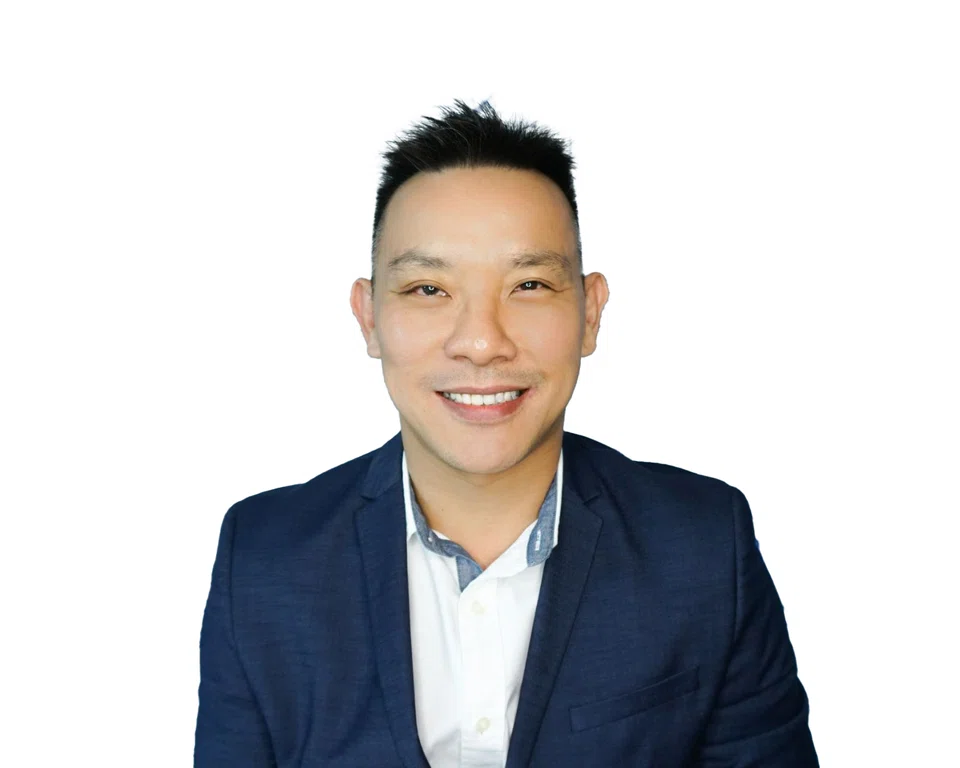
MORE than a year after a high-profile boardroom tussle between its controlling shareholder and its founder, Catalist-listed OxPay Financial is looking to close the chapter and focus on growing its payment business.
The company – formerly known as MC Payment – has ambitions to expand into other countries in the region. Group managing director Henry Tan, who took the helm in July 2021, told The Business Times that he is “very confident” that it can “easily double” its payment touch points by end-2023.
Payment touch points – such as physical terminals at stores and e-commerce payment pages – fall under OxPay’s core merchant payment services (MPS) segment, which accounted for around two-thirds of the group’s revenue in 2021.
OxPay serves as an aggregator for payment channels such as Visa, Mastercard and PayNow. Its platform currently has over 3,000 merchants with more than 5,000 touch points, with the bulk of these in the retail, services and food & beverage (F&B) segments.
The company is looking to win more merchants over to its platform. This would boost its payment processing volume, which roughly doubled year on year to S$400 million in 2021. The group’s revenue comes from earning a percentage of the payments it processes, known as a take rate.
Gross revenue from the MPS segment climbed to S$11.5 million in 2021, up from S$7.5 million the prior year, although its take rate – which varies according to the payment channel used – fell from 3.6 per cent to 2.7 per cent.
However, the group’s revenue fell 11 per cent year on year in the first half of 2022. Tan noted that revenue remains depressed due to “strong competition” and the introduction of alternate payment methods with a lower take rate than credit cards.
Amid the competitive payment landscape, OxPay is also expanding the types of payments available on its platform to include buy now, pay later (BNPL) and cryptocurrencies.
The company is collaborating with Visa, Mastercard and banks on enabling BNPL and lending platforms, and expects this to be launched in Q1 2023.
Tan is also focused on competing for small and medium-sized enterprise (SME) clients, rather than large ones. “I’m quite optimistic that I can actually win all these smaller merchants over. These are the ones that require more attention, and they are more cost-conscious.”
The group currently operates in four jurisdictions: Singapore, Malaysia, Thailand and Indonesia. Singapore was the largest revenue contributor in 2021, while the Indonesia operations – from the group’s 24 per cent stake in an affiliate – have the most merchants.
In 2023, Tan hopes to expand into new markets such as Cambodia, and potentially Australia and Vietnam.
However, he noted that the macro environment “remains challenging” due to factors such as high inflation, compliance costs and policy changes.
He is also keen to close the door on the boardroom tussle in which controlling shareholder Ching Chiat Kwong had squared off against the previous board of directors, including MC Payment’s founder and former chief executive Anthony Koh.
The parties were in dispute over various matters, leading Ching to requisition an extraordinary general meeting to appoint new directors. Most of the board resigned thereafter, and the new directors and management, including Tan, took over the company.
“Whatever we need to do we have already done,” Tan said. “We will just focus on running this business.”
Tan noted that while the founder of MC Payment has left, most of the senior management remain – including the general manager, head of sales, as well as country managers in Malaysia and Thailand.
“They have given me assurance that they will be staying. They see my vision after talking to them for three months during the handover period,” he said. “I think that in terms of stakeholders, we are quite closely united.”
TRENDING NOW
SoftBank’s Son plans US$50 billion Malaysia tech outlay: Anwar Ibrahim
Singapore expects all parties to honour commitments, says PM Wong after Indonesia cuts gas exports
Gas Supply may pursue remedies if contract breached following Indonesia’s export cuts: Tan See Leng

Why the biggest business decision about AI isn’t which model to choose

