Pace of SGX delistings may not slow down in 2025: analysts
With 20 delistings in 2024, SGX faces ongoing challenges from low market liquidity, increasing regulatory scrutiny, and the growing appeal of private funding

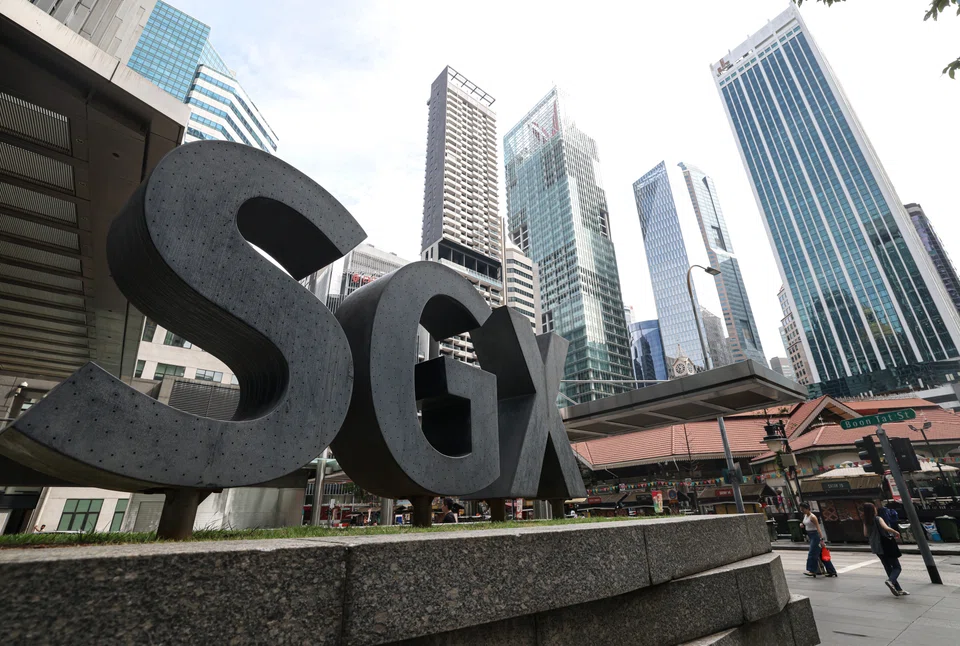
DELISTINGS from the Singapore Exchange (SGX) continued to outpace new listings in 2024, but industry watchers are optimistic that strong global market performance and an ongoing revamp of the local equities market could act as potential catalysts for reversing the trend.
A total of 20 companies delisted from the Singapore bourse in 2024, with just four new entrants. In comparison, there were 25 privatisations in 2023 and six new initial public offerings.
Market watchers attribute this trend to a mix of factors, including low market liquidity, increasing regulatory scrutiny, and the growing appeal of private funding.
“In 2024, most of the delistings were the smaller-cap companies, and most were generally not well-traded,” said Carmen Lee, head of OCBC Investment Research.
Included in the list of SGX dropouts in 2024 were two special purpose acquisition companies, Pegasus Asia and Novo Tellus Alpha Acquisition, which delisted without concluding their business combinations.
Looking ahead
Leon Lim, partner at TSMP Law Corporation, noted that the slowdown in delistings on the bourse (compared to 2023) contrasts with global trends, with some markets reporting a surge in privatisations.
However, he foresees privatisations in 2025 to continue at around the same pace as last year.
“This will be driven by the ability of companies to raise funding by other methods as interest rates fall and bank borrowing becomes cheaper, making equity fundraising on the exchange less attractive,” Lim added.
If a company can meet all its capital needs through borrowing from banks or even via private capital, then there is “less of a need to remain listed”, he explained.
Similarly, Linklaters Singapore’s corporate partner Sophie Mathur anticipates that SGX’s current trend of delistings will show “no sign of abating” in 2025.
She pointed out that Singapore is not alone in facing this challenge. For example, the London Stock Exchange has lost several high-profile potential listings, with companies flocking towards the deeper liquidity of the US markets.
She also noted that private equity funds in Singapore currently have “a significant amount of dry powder” they are eager to deploy.
“Listed companies that may be undervalued or where value could be unlocked by selling off specific assets could be particularly attractive targets,” she said.
She also pointed out that a lack of liquidity in the market and increasing regulatory scrutiny across financial and non-financial metrics “makes the benefits of listing less obvious”.
This is especially so when even large companies can source significant funding from private investors without ever tapping the public markets.
Market revamp
TSMP’s Lim highlighted that the ongoing equities market review by the Monetary Authority of Singapore seeking to address some of the issues surrounding the low liquidity, low valuation environment may also push companies to delist.
While the review group has yet to announce specific measures, he remains hopeful that if their proposed measures are successful, they could shift market sentiment, stem the tide of privatisations, and ultimately reverse the current delisting trend.
The optimism is fuelled by the strong performance of markets globally and Singapore’s benchmark Straits Times Index (STI), which could boost investor confidence and make the SGX a more attractive venue for listings.
In early November, the S&P 500 crossed 6,000 points for the first time in its near seven-decade history. Meanwhile, the STI climbed 16.9 per cent last year.
OCBC’s Lee noted that since the US presidential election in November, markets have generally performed well. Despite mixed reactions to the election results, the overall impact on global equity markets has been positive.
“With the gains for the STI, and if this trend continues into 2025, it should also be good for the local bourse as it will discourage delistings,” she said.