Panellists say South-east Asia entrepreneurship poised to grow
Singapore
PANELLISTS at a conference celebrating Asia's innovations say South-east Asia remains an attractive region for building a entrepreneurial ecosystem.
Although existing problems have yet to be addressed in the region of about 600 million people, it is fertile ground for entrepreneurship - in fact, the panellists at the event, Innovfest Unbound 2019, discussed the region's prospects of becoming the next big world economy.
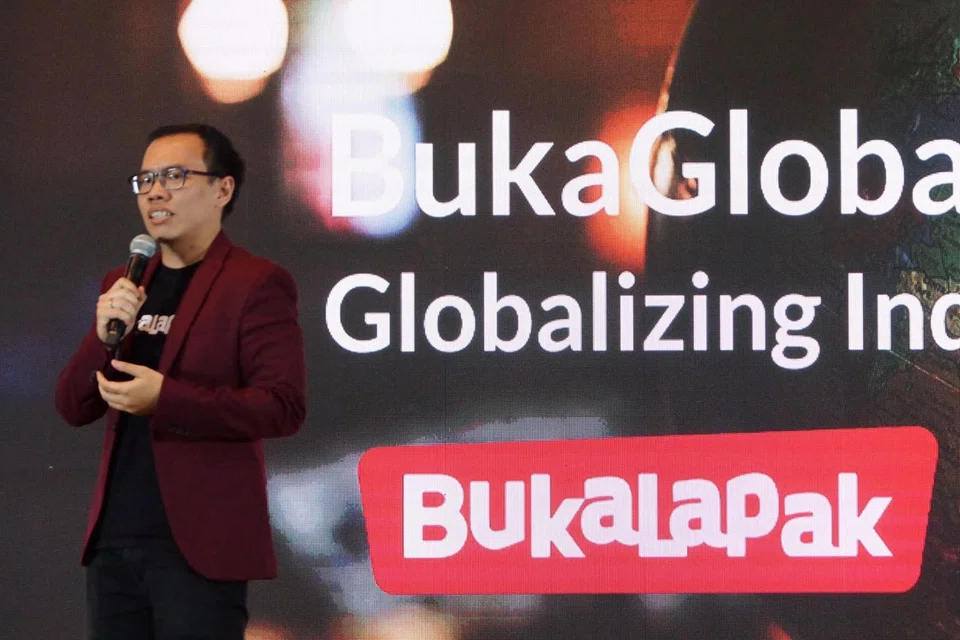
Fajrin Rasyid, co-founder of Indonesia's unicorn e-commerce technology company Bukalapak, said he has noticed the increasing traction of entrepreneurship in the ecosystem, compared to nine years ago when Bukalapak was launched.
"If you look at the region 10 years from now, you will see a lot of local entrepreneurs and local professional talents who are graduates, working in global companies with the talent and know-how to develop cutting-edge technologies," he predicted.
He disclosed that Bukalapak is working closely with the Indonesian government to improve the depth of technological knowledge in the country and so meet the needs of industry.
Joel Bar-El, chief executive officer of Trax, a technology company headquartered in Singapore, said finding tech talent is essential to strengthening the ecosystem, and that South-east Asia has grown in the level of skills transferred from multi-national companies that have relocated here.
Santitarn Sathirathai, group chief economist at SEA Group, an Internet platform, addressed the need for industry players to do their part to keep entrepreneurship alive in the region.
He said that to mark its 10th anniversary, SEA Group launched a movement that will, over the next 10 years, aim to equip 10 million people with digital skills they will need to survive in the 21st century.
Leslie Teo, chief economist and director of Economics & Investment Strategy at GIC, the government-backed investment corporation, said it is important to acknowledge potential challenges that could arise from global uncertainties.
"I guess what I am worried about most, is that when we look at these changes and we say that we don't like the change, we go back into our shell.
"That, to me, is our biggest problem. We have these challenges, we just have to deal with them. That's reality." Regarding the possibility of South-east Asian technology matching that of the US and China, he said regional technological companies are capable of addressing regional problems - and doing this goes beyond just providing technological solutions; it also entails adding value to solutions.
Mr Rasyid, referring to the ongoing trade spat between China and the US, pointed out the silver lining in this: He said China could pivot away from the US and look for other regions to invest - and one of those regions would be South-east Asia.