
Parallels between the Bar exam cheaters and market rule breakers
Companies delivering value likely to be forgiven for breaching the rules; exam cheaters should chart alternative careers
 Add BT as a preferred source
The widely reported story of several trainee lawyers cheating on their Bar examinations would have grabbed the attention of many people over the past week.
While these trainee lawyers have been made to retake the exam and had their admission to the Bar denied for now, the authorities have kept their names under wraps and left open the possibility that they may be allowed to join the legal profession at some point in the future.
Details are often crucial in these matters, and it is not clear that all the relevant facts have come to light.
Still, it seems unlikely to me that the names of these trainee lawyers will remain secret for long – certainly not within the legal fraternity. And, if any of them are ever eventually admitted to the Bar, I cannot help but wonder if the legal profession will be tainted by their supposed dishonesty.
This story had me drawing parallels to Singapore’s seemingly forgiving market regulation, and the extent to which that might be contributing to indifference towards the spirit of corporate governance.
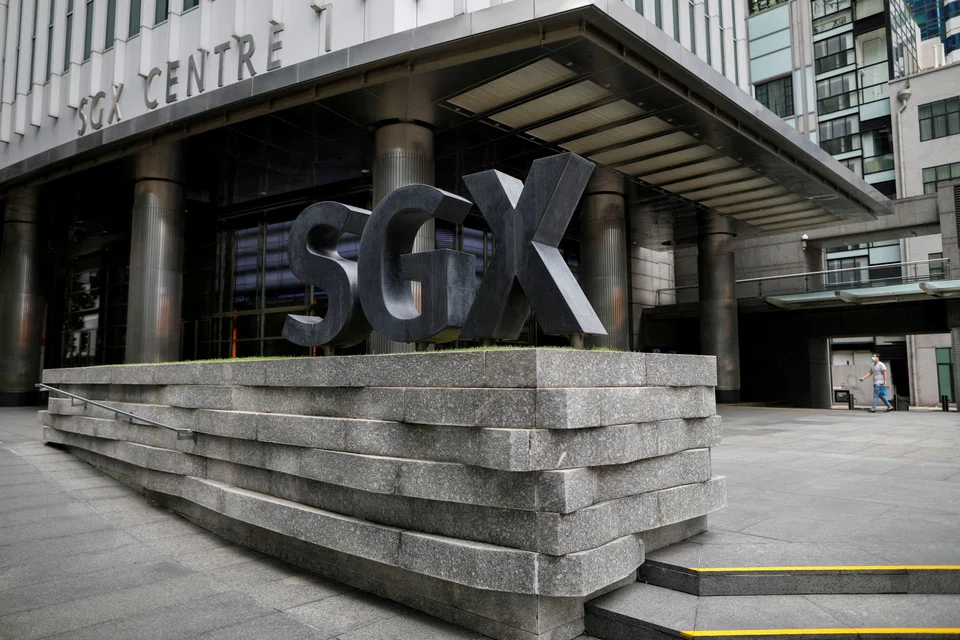
On April 18, as the Bar exam cheating story was breaking, Singapore Exchange (SGX) published a fresh crop of case studies on private disciplinary action it has taken against listed companies and their boards and key executives.
Navigate Asia in
a new global order
Get the insights delivered to your inbox.
As with the Bar exam cheaters, the names of the errant companies were not revealed. Yet, some of the infractions they committed were so fundamentally at odds with the manner in which public-listed companies are supposed to be run that specific rules seemed almost unnecessary.
Taking tough regulatory action – such as demanding the resignation of board members or key executives, or simply booting the errant company off the exchange – might seem as disproportionate as disqualifying a young Bar exam cheater from ever joining the legal profession.
But informing the market that listing rules have been broken without also disclosing the identities of the perpetrators or the penalties imposed on them is unlikely to bolster investor confidence.
New case studies
One particularly disturbing case study SGX published involved a company that sold assets to the same purchaser in two separate transactions within a 12-month period.
If the two transactions had been aggregated as required under the listing rules, they would have constituted a “major transaction”. Consequently, the second disposal ought to have been conditional upon shareholders’ approval.
Instead, the company treated the second disposal as a “discloseable transaction” on the basis that it was separate and distinct from the first disposal.
It gets worse. This same company had also falsely declared that an independent director (ID) it had appointed faced no conflicts of interest. In fact, a privately-held entity owned by the ID had a 24-month consultancy agreement with the company that involved “a significant amount of fee”.
Is it possible that the company’s officials simply forgot about the consultancy deal? Not likely. The company had entered into the consultancy agreement on the same day it appointed the ID.
SGX cited chapter and verse of all the listing rules that had been breached by the company. Yet, SGX decided private disciplinary action was appropriate, after considering the disposals involved loss-making businesses and the rule breaches had limited market impact.
In another case study, a director of a company executed share buyback transactions at prices that were above the “permissible price limit”. The company also failed to announce the share buyback transactions as required under the relevant listing rules.
SGX queried the company about its trading activity. In its response to the query, the company came clean about pursuing share buybacks at above the permissible price limit. A few days later, the company said the share buybacks had been unwound.
Not surprisingly, an investigation by SGX revealed that the company did not have sufficient procedures in place to ensure compliance with share buyback rules.
Nevertheless, SGX decided private disciplinary action was sufficient, after considering the specific circumstances of the breach of the rules and the company’s clean compliance track record.
The other case studies highlighted infractions that were somewhat more mundane. One company failed to have the minimum of 3 members on its audit committee for an extended period of time. Another company was late issuing its sustainability report. And, yet another company did not make accurate disclosures about its directors.
Investors are discriminating
As a small-time investor, private disciplinary action seems a pointless indulgence to me.
Companies that choose to list should be prepared to observe all of SGX’s rules. When they are slapped with disciplinary action, their boards and top management should have to explain themselves to their shareholders.
Indeed, public listed companies that are genuinely run for the benefit of all their shareholders would arguably not be confused about whether their IDs face any conflicts of interest or how to appropriately conduct a share buyback operation – the listing rules notwithstanding.
Investors are also likely to view occasional rule breaches by a company that consistently generates strong returns quite differently than if the company were little more than a loss-making shell.
While SGX should enforce its listing rules across the board, private disciplinary action may obscure important context for discriminating investors.
By the same token, if the Bar exam cheaters really believed that ethics and probity mattered, they would probably not be in their current situation.
My own view is they should put aside their ambitions of joining the legal profession and pursue alternative careers.
Setbacks in life often lead to new and unexpected opportunities. The sooner they find those opportunities and try to make the most of them, the sooner their lives will come to be defined by more than their cheating during their Bar exam.
As with companies that serve their stakeholders well, isolated lapses are often eventually forgiven and forgotten.
Copyright SPH Media. All rights reserved.

