

Philadelphia Semiconductor Index shows signs of near-term exhaustion
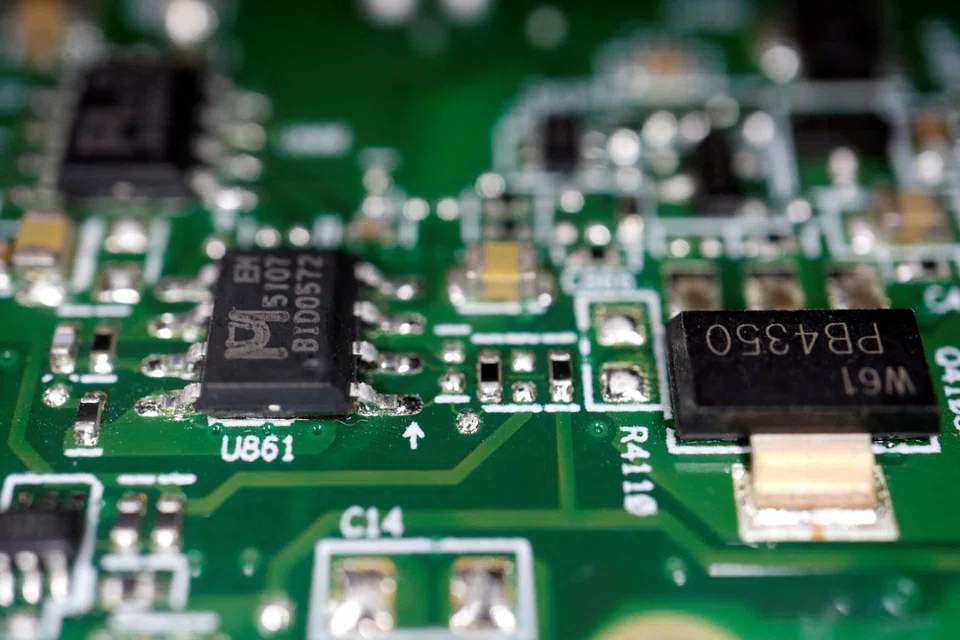
THE Philadelphia Semiconductor Index (SOX) is a modified capitalisation-weighted index that tracks the performance of US-listed equities in the semiconductor sector. The index experienced a strong rally in the second quarter of this year, up over 93 per cent at the time of writing from the current year-low level of 7,084, formed on Mar 30. The semiconductor index has outperformed the broader technology sector in the same period, with the Nasdaq up over 24 per cent from Mar 30 at the time of writing. Despite the impressive rally for the SOX this year, the index has largely consolidated sideways since the beginning of June which could be attributed to several factors.
First of all, market expectations of a “higher for longer” interest rate environment have posed headwinds for the index with an elevated cost of capital. In the non-farm payrolls released at the beginning of June, job creation came in at 172,000, more than double the 85,000 consensus. In response, the policy sensitive US two-year Treasury yields rose by 10 basis points with diminished expectations of a near-term interest rate cut. Subsequently, the tone and structural reforms communicated by new Fed chairman Kevin Warsh in his first FOMC meeting added to expectations of an elevated interest rate environment, with the market pricing a 13-basis point increase in the two-year yield. He announced the formation of five task forces to carry out regime change at the Fed and stressed the need to deliver on the price stability mandate.
In addition, on Jun 23, reports suggested that SK Hynix was slowing down its mass-production expansion for sixth-generation HBM4 chips. Internal shifts suggested downward production revisions for Nvidia’s next-generation “Rubin” architecture, prompting SK Hynix management to redirect resources back to commodity Dram instead, which sparked a sell-off across the semiconductor sector.
From a technical perspective, the Philadelphia Semiconductor Index has exhibited signs of near-term exhaustion. In the last week of June, the index formed a bull trap formation above the key 14,000 level, briefly breaking above this level on Jun 18 before reverting below it.
This coincided with a bearish divergence signal on the Moving Average Convergence Divergence technical indicator, which showed decreasing momentum as the index formed higher highs. Currently, the 12,800 level is a key support for the index where there is the 30-day simple moving average (SMA) combined with an upward support line formed since the end of April. Should the index weaken below this key level, we could see a further pullback to retest the 50-day SMA.
To conclude, the slowdown in bullish momentum for the Philadelphia Semiconductor Index since June stems from a convergence of macroeconomic headwinds, industry developments and technical exhaustion. The 12,800 level remains a key support level for the index. A breakdown below this level would trigger further downside to the 50-day SMA, closer to the 12,200 level.

The writer is research analyst at Phillip Securities Research
Decoding Asia newsletter: your guide to navigating Asia in a new global order. Sign up here to get Decoding Asia newsletter. Delivered to your inbox. Free.
Share with us your feedback on BT's products and services
TRENDING NOW

Singapore identifies 7 firms responsible for haze fires, notices issued urging action: Grace Fu

Philippine power giant First Gen rebuffs foreign offers, plans up to US$2.6 billion in expansion

DBS remains analysts’ pick ahead of Q3 earnings after Singapore banks’ share slump
Indonesia imposes US$116 million in fines over manipulation of Sinar Mas, Prajogo-linked stocks

