

Plastic prices spiking 55% has toymaker worried about Christmas inventory
While the US petrochemical market is more insulated, consumer packaging firms are already feeling the strain
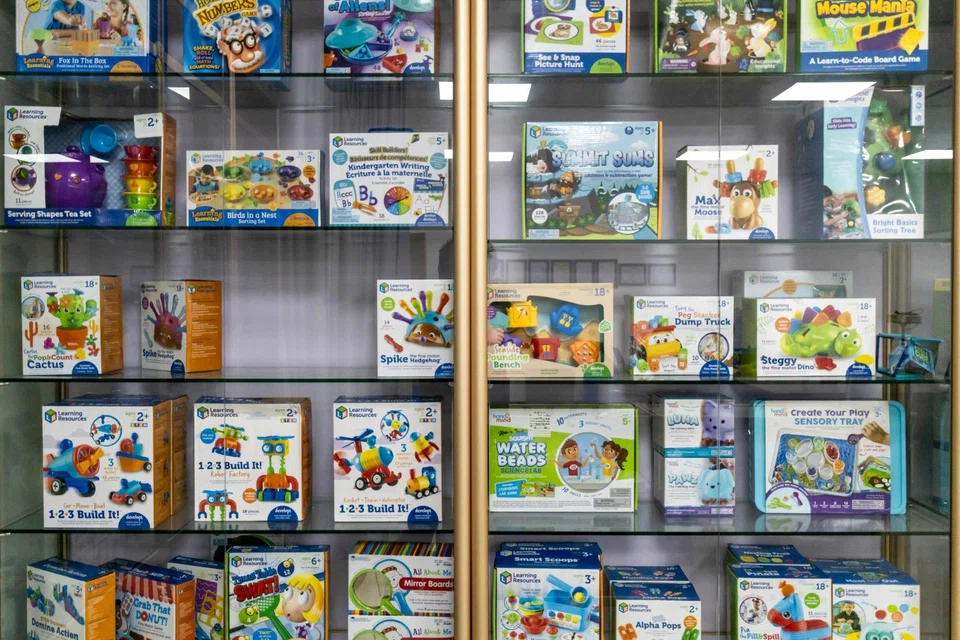
[NEW YORK] Surging prices for plastic caused by disruptions from the Iran war have pushed one US toymaker to buy up more inventory than needed before the conflict boosts costs even higher.
Factories in China, Vietnam and India have seen price hikes as high as 55 per cent for materials such as low-density polyethylene, a widely used plastic, according to Rick Woldenberg, CEO of Learning Resources. There have also been reports of shortages, he said.
“We are concerned about supply for Christmas,” Woldenberg said. That’s why he bought about a month’s worth of goods earlier than usual. The company is “spending money ahead of the problem rather than waiting and seeing what happens”.
Despite the higher costs, the toymaker is trying to keep consumer prices steady, according to Woldenberg. So far, the factories the company works with are taking on much more of the burden, he said.
Woldenberg is also trying to stock up ahead of what he expects will be higher US tariffs later this year. The toymaker has been on the front lines of the pushback against US President Donald Trump’s trade policies. The firm was a lead plaintiff in the Supreme Court case that struck down some of Trump’s levies.
“The president said he has every intention to tax me, and tax me more,” Woldenberg said.
The war has disrupted the supply chain for the plastics industry, and that’s hurt production of petrochemicals used in lots of manufactured products.
Suspended shipments
While the US petrochemical market is more insulated, consumer packaging firms are already feeling the strain, as suppliers in Asia suspend shipments and spot prices for everything from ethylene to methanol and polymer-grade propylene have soared.
Benchmark oil and gas prices eased on Wednesday (Apr 8) after the US and Iran agreed to a two-week ceasefire designed to halt the conflict in exchange for reopening the Strait of Hormuz, a key artery route through which roughly a fifth of global oil and liquefied natural gas flow.

Even so, it remains unclear whether tanker traffic will resume through the choke point, which remains largely blocked. Continued fighting in the Middle East, stressed by ongoing Israeli attacks in Lebanon, tempered expectations for a lasting resolution on Wednesday.
Even when the strait opens, any supply recovery will be gradual. Output has been curtailed at oil and gas fields, refineries have reduced or halted operations and some key petrochemical facilities have been damaged in strikes.
That means that petrochemicals costs are not likely to see immediate relief and that plastics are not necessarily getting any cheaper. Jim Fitterling, CEO at Dow, the largest US petrochemical company, warned last month that it could take as long as nine months for Persian Gulf petrochemical flows to return to normal once Hormuz reopens. BLOOMBERG
Decoding Asia newsletter: your guide to navigating Asia in a new global order. Sign up here to get Decoding Asia newsletter. Delivered to your inbox. Free.
Share with us your feedback on BT's products and services






