

Potential board shake-up at Pavillon has been brewing since April’s AGM

Tay Peck Gek
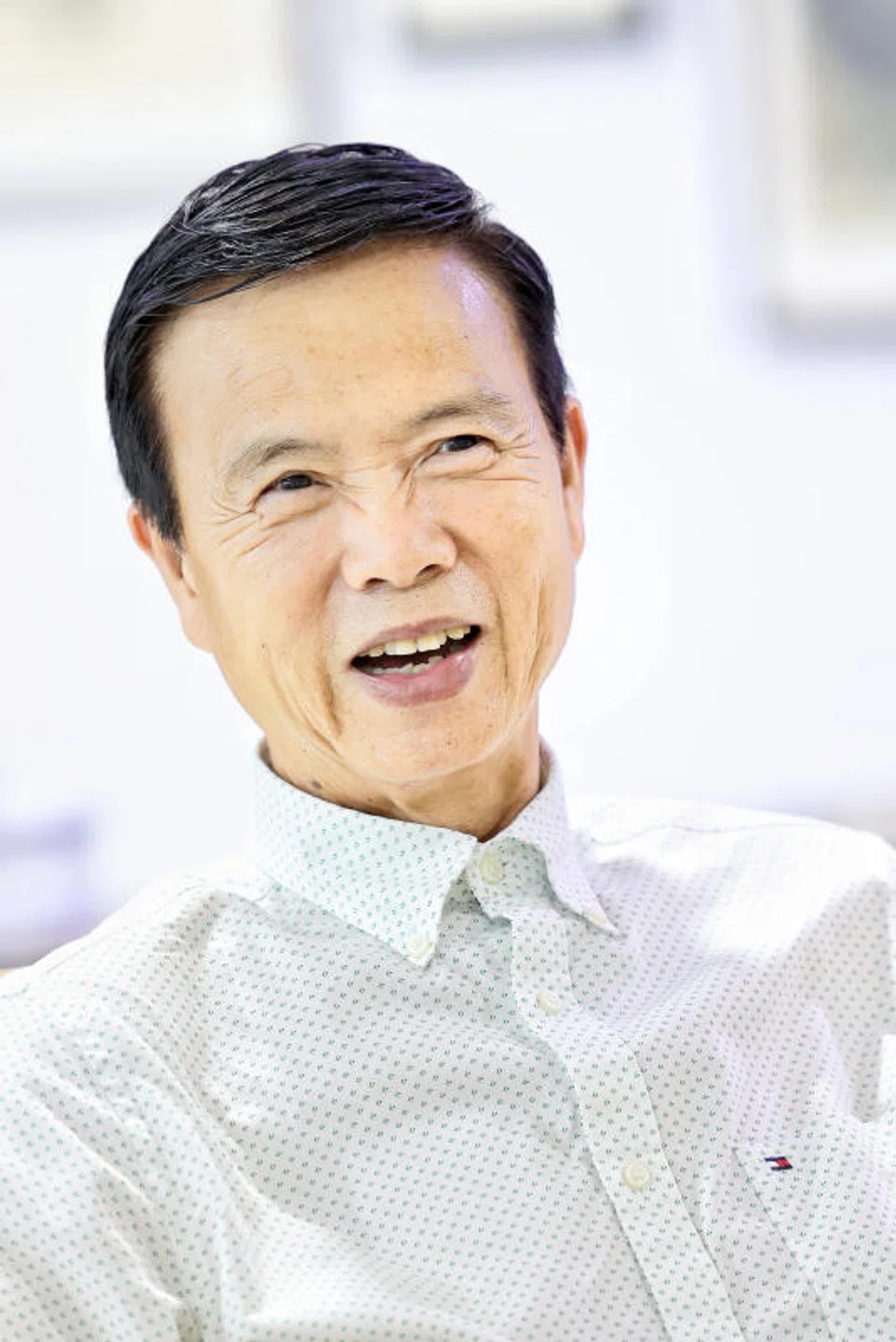
MAINBOARD-LISTED Pavillon Holdings , previously known as Thai Village, could dish up a change of board control if its largest shareholder’s move to oust the executive chairman is successful.
A meeting requisition from shareholder Zheng Fengwen, through Seven Star Capital on Jul 14, sought to boot the executive chairman John Chen Seow Phun and independent director Ko Chuan Aun from the board.
Zheng, a former executive director of Pavillon, and major shareholder Teo Kiang Ang have nominated themselves for the positions of director and executive chairman, respectively, at the extraordinary general meeting that is being called for.
Zheng holds 25.8 per cent of Pavillon; Teo, the founder of taxi operator Trans-Cab and bottled cooking gas supplier Union Gas, has recently been raising his stake and now holds nearly 20 per cent.
Several days following the requisition, on Jul 18, Ko’s resignation was announced in a bourse filing.
The dissatisfaction with Pavillon’s directors was already apparent at its annual general meeting (AGM) in April, where then-managing director and founding shareholder Lee Tong Soon and independent director Lim Ho Heng were not re-elected. Dr Chen barely retained his directorship, with 45.1 per cent of the vote counted being against his re-appointment.
The resolution granting the directors the authority to allot and issue shares did not garner adequate support.
Thai Village began life as a listed entity when it was running restaurants known for shark fin soup. But Pavillon is now a hotchpotch of businesses: financial leasing and trading of machinery, tools and equipment, and also property management, asset management, enterprise management, mergers and acquisitions and financial-advisory services.
Pavillon reported S$4.3 million in red ink for the first half of FY2022, on a top line of S$8.3 million, according to a bourse filing on Monday (Jul 18). While turnover increased by 64.3 per cent year on year, its net loss deepened from S$3.2 million previously.
The improvement in turnover, stated Pavillon, was mainly attributable to its restaurant operations that had benefited from further relaxation of Covid-related restrictions.
Ironically, diversifying away from its mainstay of food and beverage has not helped. The non-restaurant operations have instead become a drag on Pavillon.
A subsidiary of the company has received a letter of demand for the repayment of 152.9 million yuan (S$31.6 million) in construction costs from the main contractor of Pavillon’s automotive logistics hub in Tianjin, China.
This issue was flagged by the company’s external auditor earlier as a key audit matter with respect to Pavillon’s financial statements for FY2021, although the management is confident that it would be able to settle the debt and that its restaurant operations would not be affected if there is a default on the repayment.
Pavillon in March inked a deal to issue over 1 billion new shares to raise about 200 million yuan to fund the operations and construction of the logistics hub. The highly dilutive corporate action (double the S$17 million market capitalisation) is pending the Securities Industry Council’s waiver of a general takeover offer requirement by the subscriber.
In addressing shareholders’ questions, Pavillon said the book value of the logistics hub may have to be written down drastically if the share placement does not go through. Pavillon was unable to comment if that would affect the trading in its shares.
On the disparate investments it has made, Pavillon said it had been trying to diversify into property development, financial leasing and logistics, and that this was done with the blessings of shareholders.
The Tianjin hub offers services such as storage and exhibition for parallel-import cars, which are “synergistic” to its automotive financing and car-washing businesses, Pavillon said. The logistics operations had chalked up a loss of S$1.5 million for Pavillon for H1 FY2022 and S$15.4 million for FY2021.
The automotive facility was completed in 2021, but Pavillon does not expect it to be profitable through FY2022. Its bottom line hinges on the sentiments of car buyers, as well as any pandemic-induced movement-control measures the Chinese authorities might impose.
On the other hand, its restaurants have managed to generate turnover on par with pre-pandemic levels.
Pavillon’s tale is a cautionary one for companies considering diversification for the sake of diversification, as it takes significant expertise to do well in a vastly different sector. Funds are also needed to sustain such diversification while awaiting the investment to bear fruit.
A board refresh might be heartening for Pavillon shareholders, especially for those who have stuck with the counter since its listing in April 2000 at a public offering price of S$0.20. Trading in Pavillon shares closed unchanged at S$0.046 on Tuesday. Even after accounting for dividends, its total return is a negative 25.8 per cent.
TRENDING NOW
KKR founders among investors buying 42% of Peter Lim’s Valencia; club valued at US$1.4 billion

Singapore’s central gas buyer affirms Indonesia’s role as ‘important partner’ amid export review warning

Why the biggest business decision about AI isn’t which model to choose

NEA issues notices to 10 Singapore-based companies, including Wilmar and APP, over haze

