Pound’s rally is at risk given sticky UK inflation, BlueBay says
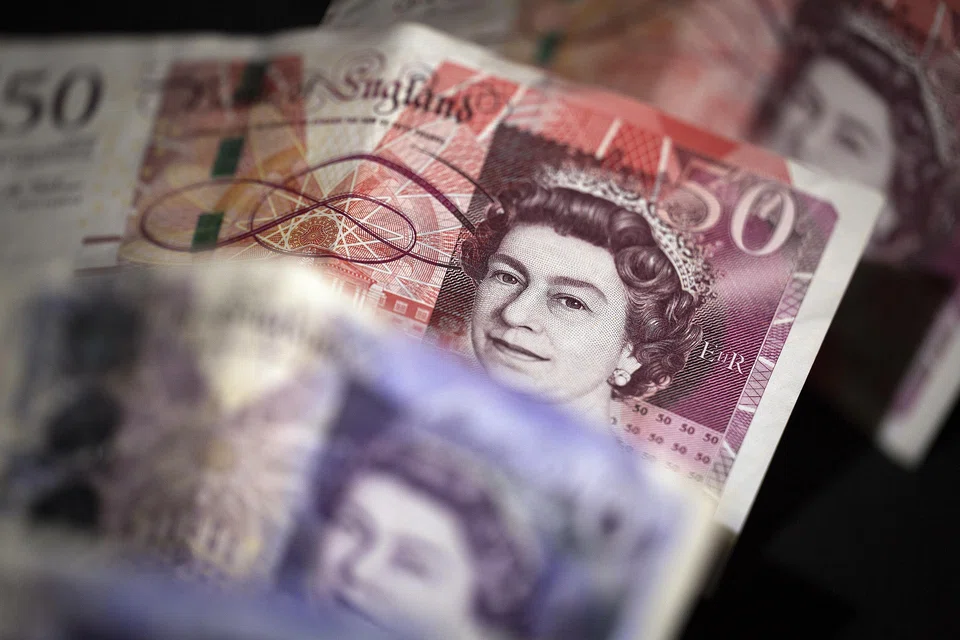
THE pound’s rebound looks ripe for a reversal, according to BlueBay Asset Management, as stubborn price pressures reignite talk of stagflation among analysts.
Inflation data this week came in hotter-than-expected, with a closely watched gauge of prices excluding volatile sectors hitting the highest in three decades. That’s seen UK bonds lag peers, with yields returning towards levels last seen in October when the market was still in a crisis triggered by former prime minister Liz Truss’s mini-budget.
Sterling is one of the best-performing Group-of-10 currencies this year, extending a recovery from a record low near parity against the US dollar in September to around US$1.23. But it could be next to lose its luster, Mark Dowding, chief investment officer at BlueBay, wrote in a note. The firm’s Global Sovereign Opportunities Fund, which Dowding helps oversee, was the best-performing European-domiciled bond fund tracked by Morningstar Direct last year.
“It seems likely that UK inflation will stay stuck at much higher levels than in other developed economies, and this will push a reluctant Bank of England to continue to hike rates,” Dowding said, adding that BlueBay is structurally cautious on the UK. “The pound will be the next shoe to drop, and the most obvious trade at this particular point in time.”
Money markets adjusted their expectations for the path of UK interest rates much higher this week after Wednesday’s (May 24) inflation data. Gilt yields rose across the curve, with the extra premium investors demand to hold 10-year UK bonds over equivalent US Treasuries close to the highest it’s been in a decade.
Higher rates pricing might usually be expected to boost the pound’s appeal, but sterling failed to capitalise on the prospect of tighter policy this week. It’s not the first time that’s happened in recent years, and has even led to provocative comparisons to emerging-market currencies.
“When UK rates sell off and that leads to a net FX impact that weighs on the pound, that is a very emerging-market development,” said Jordan Rochester, a strategist at Nomura, who recommends shorting sterling against the US dollar. The reason the pound isn’t rallying more is “because of stagflation concerns,” he said.
Traders this week pencilled in at least another percentage-point rate increase from the BOE this year, which would put the key rate at around 5.5 per cent. Swap pricing shows they even see a small chance of a half-point increase next meeting.
“Rate hike expectations are supportive but that could give way at some stage if UK inflation is viewed as more problematic and growth expectations worsen,” Derek Halpenny, head of global markets research for EMEA at MUFG Bank, wrote in a note.
If the UK does raise rates by another percentage point, a “recession seems certain,” said Societe Generale’s chief FX strategist Kit Juckes. BLOOMBERG
Decoding Asia newsletter: your guide to navigating Asia in a new global order. Sign up here to get Decoding Asia newsletter. Delivered to your inbox. Free.
Share with us your feedback on BT's products and services