

Pound’s tentative recovery masks worst year since Brexit vote
 Add BT as a preferred source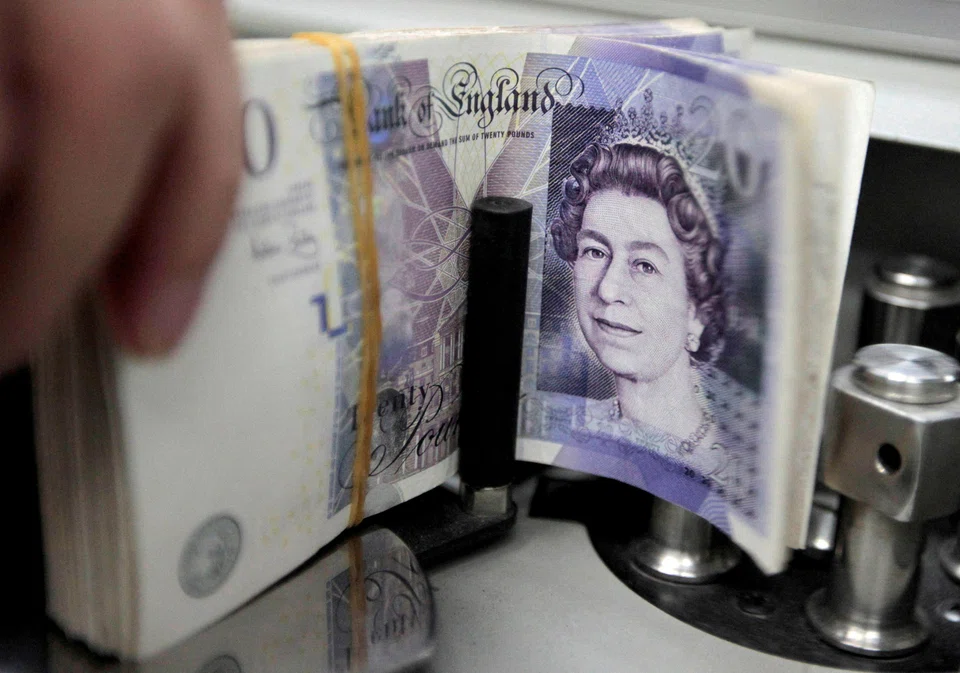
DeeperDive is a beta AI feature. Refer to full articles for the facts.
A TURBULENT year for the pound is coming to an end with little evidence that 2023 will be much different.
Signs of a painful UK economic downturn keep piling up, making analysts doubtful that the currency can extend – or even sustain – a recent rebound against the US dollar. The options market also shows scepticism, with traders still gloomy over the long run.
The pound has surged from an all-time low reached in September, boosted by a change of government following Liz Truss’ ill-fated tenure as leader and a weakening US dollar. But it’s still down 11 per cent in 2022, headed for its worst year since the Brexit vote in 2016.
Going into next year, room for gains may be limited by divergence in central bank policy, with the Bank of England (BOE) looking increasingly dovish compared with peers. Also the UK economy is reeling, the budget deficit has rocketed and double-digit inflation has led to the sharpest drop in living standards on record, curbing spending and giving rise to the worst industrial unrest in decades. The housing market also looks vulnerable to a sharp correction.
“The UK is in the vanguard for economies lurching into recession,” said John Hardy, head of FX strategy at Saxo Bank. “The combination of a heel-dragging BOE on further tightening and austere fiscal picture could set up further declines” on the pound.”
The pound erased losses triggered by Truss’ efforts for vast funded tax cuts within two weeks, but it took more than two months for one-year risk reversals to return to pre-budget levels. The slow recovery of this widely followed barometer of market sentiment suggests traders remain strongly downbeat on the pound over the long run and that the rebound in the spot market was more based on positioning rather than an outright bullish expression.
Navigate Asia in
a new global order
Get the insights delivered to your inbox.
Leveraged funds switched to be net short on the pound in the week to Dec 13, after previously being long, while asset managers retained a short position, according to the latest data from the Commodity Futures Trading Commission.
From a technical standpoint, there are mixed signals for the pound. What stands out is a so-called bearish moving averages crossover that unfolds on the monthly chart, at a time when Bloomberg’s fear-greed indicator shows bears are still in control of price action despite the rebound seen in the fourth quarter. This suggests that downside risks prevail for the pound over the medium-term.
JPMorgan Chase analysts see sterling heading back to US$1.14 by the end of the first quarter, from around US$1.21 now, citing their “particularly-negative view” of the UK’s growth outlook. Also, local elections looming in May could spell further political uncertainty.
Strategists surveyed by Bloomberg see the pair dropping to US$1.17 in the first quarter before staging a mild recovery to US$1.21 by end-2023.
Yield spreads between two- and 10-year swaps tied to the overnight rate – a gauge of recession risks – also point to a longer economic downturn in the UK than in its main peers. The difference between one-year forward and current spreads suggest yield curves in Europe and the US will steepen more than in the UK.
The pound can also weaken against other major currencies. Strategists at Rabobank, Commerzbank and TD Securities see the euro strengthening to 0.90 pence as soon as June, compared to 0.88 now, as the European Central Bank amps up its rhetoric on the need for more rate hikes, a contrast to the BOE’s more dovish stance.
Sterling may also weaken versus the yen as the Bank of Japan is seen edging towards tighter policy. The pair may be heading back towards 120, according to Kit Juckes, chief FX strategist at Societe Generale, a level it hasn’t touched in more than a decade. BLOOMBERG
Decoding Asia newsletter: your guide to navigating Asia in a new global order. Sign up here to get Decoding Asia newsletter. Delivered to your inbox. Free.
Share with us your feedback on BT's products and services
TRENDING NOW

Air India asks Tata, Singapore Airlines for funds after US$2.4 billion loss
‘Boring’ is the new black: The stars are aligning for a Singapore stock market revival

From 1MDB to ‘corporate mafia’: Is Malaysia facing a new governance test?

South-east Asian markets account for 8.8% of global capital inflows from 2021 to 2024: report

