

Private-credit firms see opportunity as banks tighten lending
 Add BT as a preferred source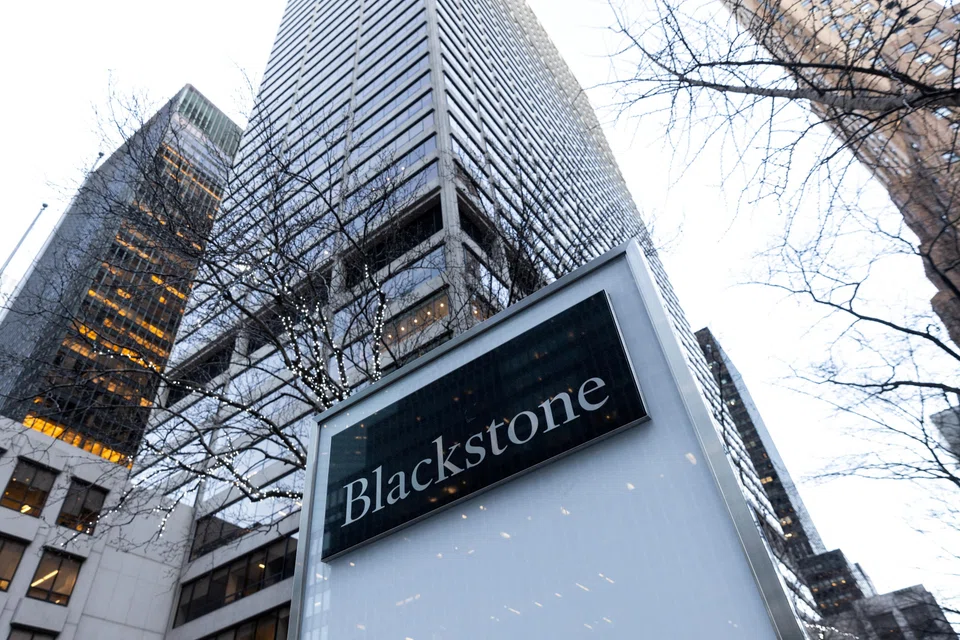
PRIVATE-CREDIT firms are eyeing fresh opportunities from a potential borrowing squeeze in the United States as battered regional banks tighten lending after the turmoil in the sector, according to fund managers and investment strategists.
About 46 per cent of the banks surveyed by the Federal Reserve reported tightening lending standards during the second quarter of 2023, compared with 39 per cent in Q4 2022.
As a result, commercial and industrial lending, which analysts say is largely driven by smaller banks, has slowed to US$2.76 trillion for the week ended April 26 from US$2.82 trillion a month earlier, Fed data showed.
“As banks start to slow down lending, this gap will be filled by another sector,” Carlos Vaz, CEO of real estate investment firm CONTI Capital, told the Reuters Global Markets Forum (GMF).
Blackstone, one of the world’s largest private lenders, said it saw a “golden moment” to expand its credit business as banks retrenched.
Such lenders see commercial and residential real estate as particularly attractive, given the prominence of regional banks in these sectors.
Navigate Asia in
a new global order
Get the insights delivered to your inbox.
Regional US banks accounted for about 70 per cent of outstanding loans to the commercial real estate (CRE) sector alone, according to Capital Economics.
Recently failed regional lender, First Republic Bank, reported more than US$13.4 billion in CRE and commercial construction loans on its books, while Signature Bank’s reported US$60 billion loan portfolio primarily comprises CRE and other commercial loans, according to the Federal Deposit Insurance Corporation.
Sumit Handa, managing director at Pennington Partners, said his firm is eyeing fresh deals, particularly in the wake of Signature’s collapse.

“Signature was one of the biggest providers of real estate lending in the New York area, commercial real estate is very vulnerable ... as a lender you want to be on the other side of that,” Handa said.
Many private credit funds have plenty of excess funds, or “dry powder” to invest, said Matt Malone, head of investment management at private investment management firm Opto Investments.
With the risk of a recession looming large in the world’s biggest economy, private-credit investors can expect better loan terms and yields of at least 4 per cent higher than a year earlier, asset managers at Cresset Partners’ private funds group told the GMF.
“This makes private credit very attractive for continued investment in 2023,” Cresset Partners’ Elise Ablin said. REUTERS
Decoding Asia newsletter: your guide to navigating Asia in a new global order. Sign up here to get Decoding Asia newsletter. Delivered to your inbox. Free.
Share with us your feedback on BT's products and services
TRENDING NOW

On the board but frozen out: The Taib family feud tearing Sarawak construction giant apart

Government to roll out more support measures should need arise amid Middle East situation: PM Wong

Seatrium surge leads Singapore stocks slightly higher on Tuesday; STI up 0.1%

Not retirement, but a rewiring and fresh perspectives post-DBS, says Piyush Gupta

