Proposed due diligence requirements for CF advisers timely: industry experts
THE proposed introduction of due diligence requirements for corporate finance (CF) advisers would be a timely addition to the local markets, industry experts say.
They believe that having the statutory regulator impose such requirements would push the industry to improve their conduct and professionalism, even as some of the requirements set out in the proposed notice may already be carried out by CF advisers in practice.
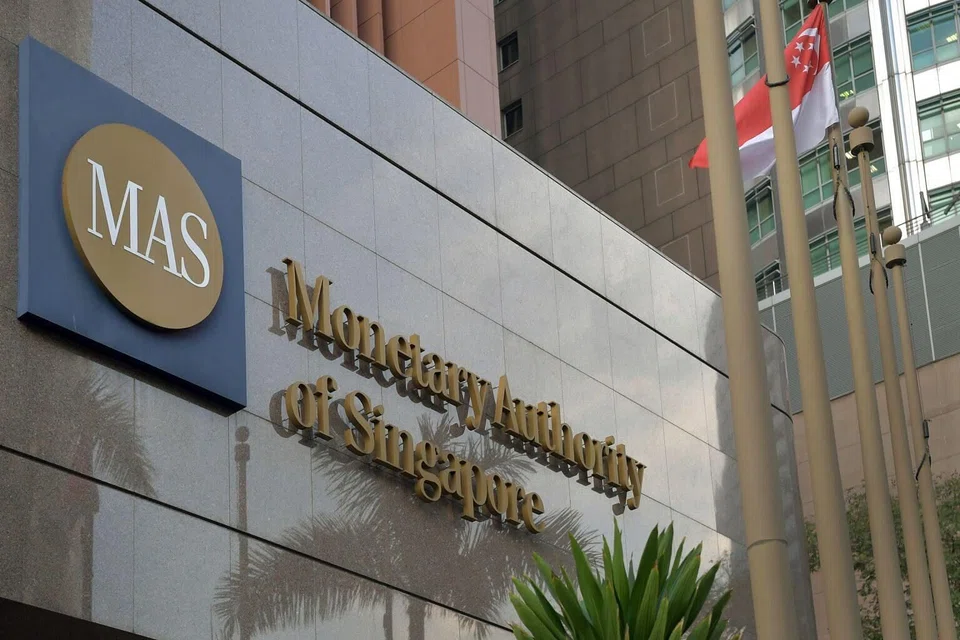
The Monetary Authority of Singapore (MAS) on Wednesday (Dec 15) issued a consultation paper with proposals to introduce regulatory requirements on the conduct of due diligence by CF advisers, via a new notice.
"These requirements will improve the quality of disclosures from entities seeking to raise funds from the public, thus allowing investors to make informed decisions," MAS said.
Under the proposed notice, CF advisers will be required to act with "due care, skill and diligence, when performing due diligence". They would also need to establish a governance framework over the performance of due diligence by their representatives and staff and keep records of the due diligence work performed.
Ho Han Ming, partner and co-head of the Asia Investment Funds Practice at law firm Sidley Austin, noted that there are general conduct requirements applicable to CF advisers under the Securities and Futures (Licensing and Conduct of Business) Regulations, but these are prescribed at a high level and do not provide much specifics.
"In particular, there are no conduct requirements that are specific to the conduct of due diligence by a CF adviser," he said.
"The impact of the notice (when it is finalised and issued by the MAS) will be to enhance the existing general conduct requirements set out in the licensing regulations in respect of CF advisers," he added. "It may be that in practice some of these measures are already put in place by the existing CF advisers, but setting it out in the notice would give it legal 'teeth' since the notice is legally binding on the CF advisers."
Stefanie Yuen Thio, joint managing partner at TSMP Law Corporation, said that corporate finance practitioners and issue managers are already expected to meet very stringent standards when it comes to assessing the suitability of a candidate for listing.
"Arguably, a lot of these new regulations only elaborate on the current requirements of such practitioners' roles, without adding to the burden," she said. "But I think the subtext to this consultation paper is that the regulators will be looking to hold the issue managers liable when something goes wrong in an initial public offering (IPO) or in the early days after a company is listed."
The proposed MAS notice has a section imposing additional requirements on CF advisers that are acting as issue managers for IPOs, including for the listing of special purpose acquisition companies (SPACs). These requirements would also apply when they are advising on reverse takeovers (RTOs) and very substantial acquisitions.
CF advisers acting as issue managers will have to assess and be satisfied that a listing applicant is suitable for listing, and ensure that there is an independent review of the due diligence performed by the transaction team for each listing application.
The due diligence that needs to be carried out includes verification of material representations, inspection of key physical assets and interviews with major business customers and other stakeholders, as well as background checks.
NUS Business School Professor Mak Yuen Teen said it is timely to impose a duty of care, skill and diligence on CF advisers.
"I would say it is overdue given the problems we have observed in corporate actions where financial advisers are involved, and particularly given the number of IPOs, RTOs and substantial acquisitions that have turned out to be problematic," he said, adding that the calibrated approach whereby higher standards are imposed on CF advisers that are involved in IPOs, substantial acquisitions and RTOs is reasonable.
Sidley Austin's Ho believes that the introduction of the notice - particularly the additional requirements for CF advisers acting as issue managers - is timely in light of the recent introduction of the local SPACs regime.
"This initiative is likely to enhance the attractiveness of SPACs by adding an additional layer of checks; by subjecting the quality of listing applications and listing applicants to review by CF advisers," he said.
"The proposed notice would level the playing field between the various CF advisers and generally strengthen the quality of fund raising initiatives in Singapore's capital markets."
The introduction of new rules could potentially increase the time and costs involved in an IPO. However, with some of the requirements already being carried out by CF advisers in practice, the impact may not be as significant.
Tham Tuck Seng, capital markets leader at PwC Singapore noted that the proposed notice would mean that existing good practices are now regulated, which forces CF advisers to ensure their processes are formalised and adequately documented.
"More time would be spent on documenting their process, and more time would be spent on the independent review of the work done, but this additional time incurred will not likely create a significant impact on the listing timetable," he said.
He added that regardless of the regulations, CF advisers would still need to exercise the necessary professional scepticism and judgement on each transaction.
TSMP's Yuen Thio said: "Where I think it is helpful to have such new rules is that the rules focus on the material risks, such as by forcing issue managers to consider the overall suitability for listing of IPO candidates."
She noted that some corporate finance practitioners can get very focused on the quantifiable requirements, which can lead to a "tick the box approach".
"These rules will force issue managers to take a more holistic look at the proposed IPO and its team,"she said.
While the proposed rules are a step in the right direction, Prof Mak emphasised that it is important to ensure that these are accompanied by adequate monitoring and enforcement.
"The message will only be received by CF advisers when those who fail to comply are taken to task," he said. "Ultimately, rules and guidelines are only as good as their enforcement."
TRENDING NOW
He built the Vingroup empire. Now South-east Asia’s richest man is handing some key roles to his sons
Despite the de-dollarisation debate, demand for dollar liquidity in Asia is growing
Can a first-time homebuyer couple earning S$18,000 a month afford a new EC unit?
Asia needs new energy security architecture