

Quality Asian stocks may underperform, says BlackRock
Trends of quality stocks doing well and value stocks underperforming could reverse
Singapore
IN the years since the global financial crisis, investors have piled into so-called "quality" Asian stocks - dominant companies with stable earnings and pricing power.
These companies have done well in an uncertain macroeconomic environment, even as "value" stocks - companies trading at low earnings multiples or at big discounts to their book values - have underperformed.
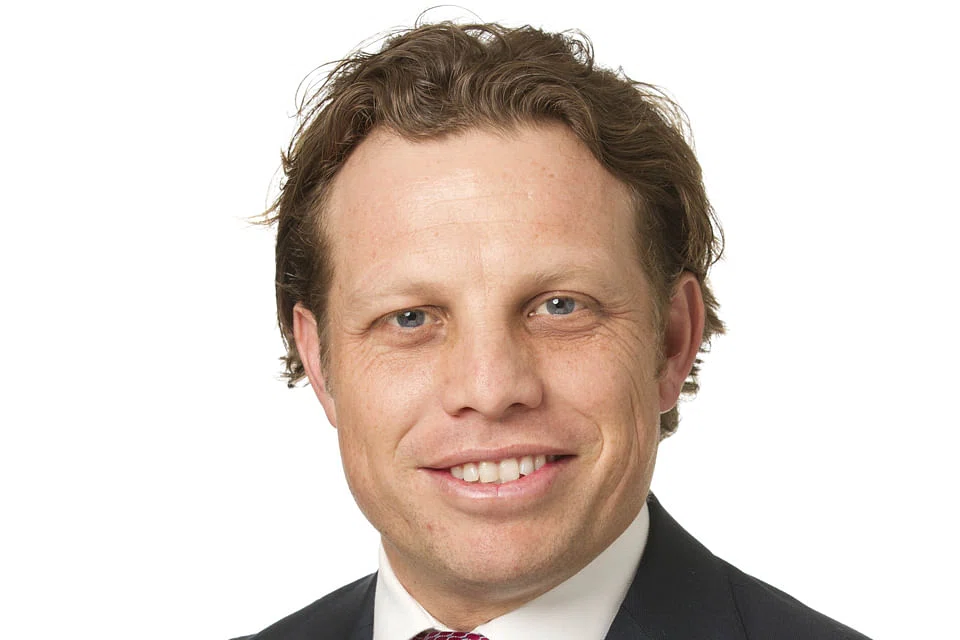
BlackRock's head of Asian equities Andrew Swan thinks these trends might start reversing.
"You need to be careful if you're a quality investor. High-quality stocks are expensive. Low-quality stocks are cheap relative to their history ... As global growth might start to stabilise, the premium people has paid for quality may start to fall.
"Global growth might start to pick up this year or next year. When growth is picking up, value tends to work, quality will underperform," he told The Business Times in a recent phone interview. He added that he thinks the growth environment in Asia will be more stable going forward, and one will be able to find suitable investments and returns in all parts of the market.
Mr Swan oversees billions of dollars in Asian stocks at BlackRock, an asset management giant that has been expanding in the region. BlackRock has six Asian equities funds available in Singapore. He declined to disclose precise numbers, but said assets under management have more than doubled in the last 12 months and increased four times in the last three years.
Institutional mandates have been growing rapidly, albeit from a small base. Retail money still makes up the majority of BlackRock's assets under management in its Asian stock funds.
However, Mr Swan thinks BlackRock's fund inflows are not due to more money flowing into the region, but due to it taking some market share away from competitors.
He credits the flows to good performance. BlackRock's flagship Asian Dragon fund, with US$1.7 billion under management at end-April, was one of the worst-performing funds in Asia when Mr Swan joined BlackRock in 2011 after a 17-year stint with JP Morgan. The fund has outperformed its index by a few percentage points in recent years. This is because of a "team-based approach" and also a switch in style from value-focused to one that is more flexible, he said.
Investors have stayed away from Asia due to its growth slowdown and higher risks. On a broader level, active managers have faced pressures from investors who are looking for cheaper ways to get returns, such as through passively managed funds.
Returns-wise, Asian investors have been disappointed. The five-year annualised rate of return for the MSCI Asia ex-Japan index is just 6 per cent as of end-May, compared to 15.7 per cent for the S&P 500 index.
"We have cheap markets, low expectations, low ownership levels. The policy environment in Asia is becoming more favourable, short term in terms of cyclical, monetary policy, and secondly, more importantly, structural reforms," Mr Swan said.
At a country level, he prefers India, China and Korea. South-east Asia is least preferred because of high valuations and reversing flows as the US starts hiking rates, he said.
Looking ahead, Mr Swan said he will continue to build his team of analysts, strategists and investment professionals in Hong Kong, which has grown to 20 from less than 10 four years ago. China is a focus.
TRENDING NOW

Nvidia reinstates Jensen Huang as CEO; Trump says move poses no national security risk

Beyond the greenback, Vietnam’s big borrowers turn to Asian-currency bonds

Indonesia’s coal tycoon Low Tuck Kwong replaced as Bayan Resources president-director

Six workers file employment claims against Crystal Jade Food Manufacturing

