
Raffles Medical eyes China healthcare growth but stays prudent on expansions

Megan Cheah
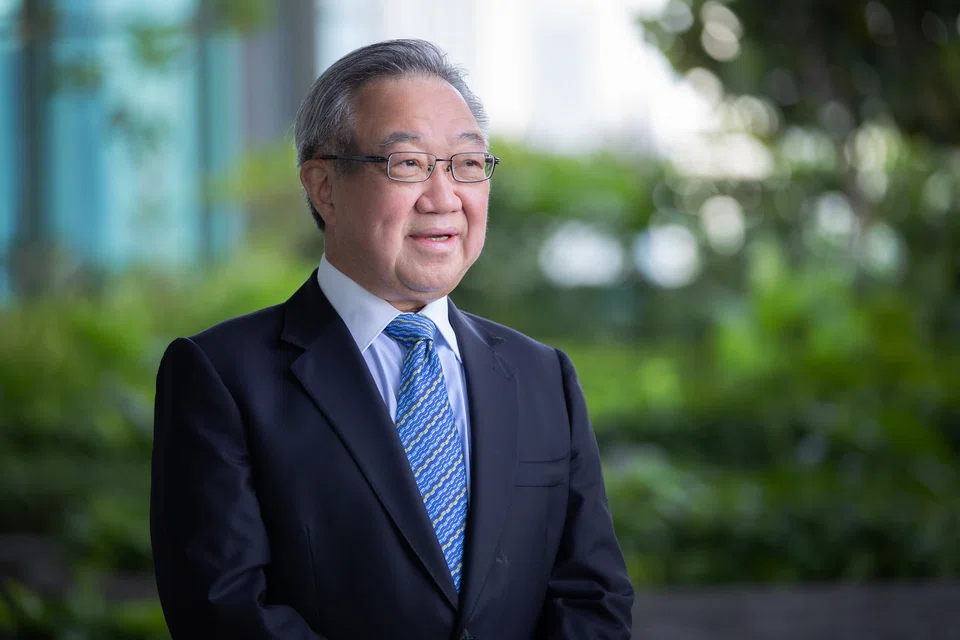
PRIVATE healthcare provider Raffles Medical Group has its eyes fixed on continuing to drive growth, even as it grapples with a slowdown in medical tourism amid the Covid-19 pandemic.
When Singapore shut its borders in early 2020, foreigners seeking medical help here had to be turned away. Private healthcare players who relied heavily on medical tourism turned to other avenues to get their care to overseas patients, including online consultations and delivering medication straight to patients’ homes.
While some companies would have baulked at the sudden shift in operations, Raffles Medical took the changes in stride.
The company already had its RafflesConnect app in 2019, before the pandemic struck. With the means for teleconsultation in place, this became its main avenue to connect with patients, both foreign and local.
The group was also quick to support the Singapore government with vaccinations, step-down care and Covid-19 isolation. At its peak, the group ran 15 vaccination centres. The largest, in Changi Airport, administered up to 5,000 doses a day.
Now, with the pandemic largely behind the world, Raffles Medical is welcoming medical tourists back – although they have not quite returned to the numbers prior to the pandemic, said Dr Loo Choon Yong, the group’s executive chairman.
“Quite clearly, with inflation and a strong Singapore dollar, healthcare here may not be affordable for everyone in the region,” he said.
In the group’s first-half earnings briefing, Dr Loo estimated that medical tourism has recovered to about 70 per cent of pre-Covid levels.
Medical tourists hailing from about 120 countries account for about 25 per cent of Raffles Medical’s patients. Many are recommended through word of mouth. However, Dr Loo noted that other medical hubs in the region, such as cities in Malaysia and Thailand, may draw more patients due to cheaper costs.
For example, one key market of patients, Indonesia, prefers Singapore for its proximity. But with higher price sensitivity among consumers, they may head slightly further to other South-east Asian cities such as Kuala Lumpur, Penang and Bangkok.
One way Singapore – where Raffles Medical has about 80 per cent of its operations – can stand out is in consistently putting out quality healthcare, particularly for procedures related to more serious illnesses.
“We can’t compete on price, but if you’re having a heart problem or cancer, I think you will be less price sensitive,” he said.
As Covid-19 activities petered out in 2022, Raffles Medical’s earnings for the first half of the year were relatively flat, edging up 0.5 per cent to S$59.9 million.
Analysts covering the stock noted its margins have largely normalised within expectations.
Covid-19 notwithstanding, the company has been profitable as required to attract investors and be sustainable in the long term, he noted. And it has also not rested on its laurels.
China spearheads overseas expansion
Despite the pandemic, Raffles Medical continued to push through its expansion plans, with its gaze fixed on China.
After opening a 700-bed Chongqing hospital in January 2019, the group upgraded its Beijing clinic into a hospital in 2020, doubling the space and bringing in operating theatres. In 2021, even as China was deep in its Covid-related movement restrictions, the group launched a 400-bed hospital in Shanghai.
“Even the government in Singapore has not built one hospital a year,” Dr Loo quipped.
Further down the line, Raffles Medical will be opening a Hainan hospital specialising in in-vitro fertilisation. “This way, we can send our patients from Chongqing or Shanghai (to Hainan) for the service,” he said.
But why China?
“Healthcare is all about the number of headcounts,” said Dr Loo. While Singapore’s population will increase over the years, there are bigger populations elsewhere seeking quality healthcare. And Raffles Medical can capitalise on gaps in those markets, he added.
For example, in China, most people head to state hospitals in cities for their healthcare needs. This results in a high load of patients, and doctors have “very little time to even chitchat”, he said.
“Some people want to have more than a three-minute consultation and will look to private care like us, which is more personalised and responsive.”
In terms of healthcare markets, China has also been easier to enter. For example, India, its peer in terms of population size, already boasts strong hospital players.
China has been key to Raffles Medical’s expansion plans since nearly a decade ago. The group was close to opening a clinic business in Shanghai at the time, but the project was canned by the government then.
Instead of rushing ahead with a less-ideal location, the group was patient, combing through sites until it settled on its current location in Shanghai. It now has seven hospitals and clinics in China and Hong Kong.
Despite the push into China, the company is not in a race to grow, said Dr Loo. Instead, it prefers to slowly diversify.
“The general trend is that you will see us expanding into different parts of Asia, but it must make sense for us,” he said. He raised the example that opening hospitals in Japan would be difficult as they have to be non-profit.
For now, the company will grow within its current outposts. Its Chinese hospitals started out with about 100 beds each when they first opened; bed counts have slowly increased as occupancy fills up.
China’s reopening also bodes well, even if the economy is not quite as robust as it was pre-pandemic, Dr Loo said.
And should the opportunity come, the group will be ready to expand or acquire. He pointed to Raffles Medical’s net cash and cash equivalents, which stand at S$299.6 million as at Jun 30, as well as its increasing management and clinical strengths – all contributing to a greater capacity for growth.
“Looking back over the past 47 years, we have been growing non-stop. So why should we stop now?”
TRENDING NOW
Grab CEO’s wife Chloe Tong on life with Anthony Tan and finding her purpose
Once staunchly pro-China, Malaysian Chinese businesses are now distancing themselves from Beijing
Crystal Jade Fine Dining faces charge for failing to file income tax return on time
UOB found ‘grossly negligent’ over Stamford Land rights issue advice, to pay S$1.9 million



