

Ready, set, restructure: Singapore large caps clean house to woo investors
The latest restructuring wave is being fuelled by hot trends such as clean energy, digitalisation and appeal of the asset-light model
Singapore
"BUSINESS as usual" is so pre-pandemic. In these extraordinary times, Singapore's corporate stalwarts are tuning out legacy assets and channelling hot trends such as clean energy and digitalisation as they hunt for growth and repackage themselves. Their common goal: to unlock value.
This rising trend of "new-wave" revamps to win investor's hearts - different from past cost-cut-centric restructurings which markets have become tone deaf to - began last year, but has lately picked up speed among blue chips, many of which are linked to Temasek Holdings.
Maybank Kim Eng's research head Thilan Wickramasinghe said: "Many companies are reaching an inflection point where the cost of doing nothing is too great, versus re-tooling and restructuring to benefit from new opportunities and markets that are opening because of sustainability."
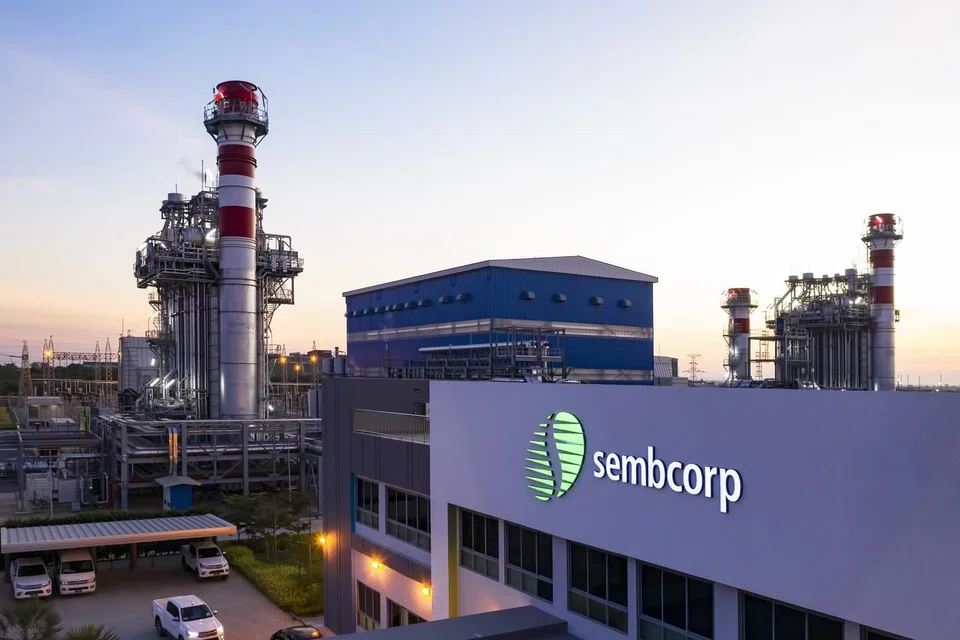
On Thursday alone, two sector bigwigs, Sembcorp Industries and Singtel, unveiled details of their reboot, which drove their stocks in opposite directions.
Sembcorp's shares outperformed the gains of the Straits Times Index; Singtel's fell, largely in response to its disappointing FY2021 showing unveiled with its new strategic direction.
A big factor driving these do-overs is the need to stay relevant amid changing business dynamics. These include competition from more nimble rivals such as digital banks, digitalisation and 5G (think Singtel); firms are finding it tough to sustain legacy businesses, as in the case of Singapore Press Holdings and its media business, said RHB Bank's research head Shekhar Jaiswal.
Companies are also ditching the "stay the course" mindset and rejigging portfolios to woo the next generation of investors.
Olam International, majority owned by Temasek, has broken up its mammoth operations into two entities to tap on-trend themes such as plant-based food and sustainable and traceable raw materials.
Transport operator ComfortDelGro, which two weeks ago said it was tinkering with a partial sale or initial public offering of its assets in Australia, has also committed to investing in renewable energy, including electrification.
Conglomerates Keppel Corp and Sembcorp - both of which count Temasek as their largest shareholder - have trained their sights on green-energy and urban solutions since freeing themselves from the sickly rig building business. The massive losses these giants' offshore and marine units bore last year, on the back of the pandemic-led oil crash, had spurred their strategic rethink.
Mr Jaiswal said: "Financial stress caused by the pandemic has accelerated the transformation process."
Some of the pandemic-led structural changes in the operating environment include faster digitalisation, remote working and supply-chain relocations. This has put the heat on businesses to adapt and realign strategies to ensure long-term growth, said Mr Wickramasinghe.
He added: "For instance, we think office demand is facing a permanent decline, given hybrid work trends. Together with continued property cooling measures, Singapore's developers may need to review their strategies for the next phase of growth. The recent CapitaLand restructuring announcement dovetails with this."
CapitaLand, one of Asia's largest diversified real estate groups, proposed a major restructuring in March; this entails privatising its capital-intensive, traditional development business and reshaping itself into a capital-efficient real-estate investment manager.
Becoming asset light and nimble appears to be a much-liked route as is the case for CapitaLand and Keppel. Singtel's recent write downs of its legacy network assets in Australia and its plan to focus on 5G and B2B digital services is one other example.
Bigwig Singapore firms are also tired of being cheap. Significant valuation discounts exist for Singapore-listed blue chips relative to their counterparts in other markets, noted Mr Wickramasinghe, adding that such "valuation dislocations" are also driving the rising pace of restructurings here. CapitaLand's makeover, for example, is essentially aimed at lifting its valuation closer to that of global sector peers.
Paul Chew, Phillip Securities' research head, said another impetus for the spate of revamps, particularly among government-linked companies, is to consolidate their operations into a single regional or global champion - an investment theme pursued by Temasek.
"For instance, a single global champion in offshore engineering or aircraft Maintenance, Repair, Overhaul (MRO)," he said, referring to SIA Engineering and ST Engineering, which has put in place strategies to stay competitive and resilient.
No one expects Singapore's large cap to let up on cleaning house soon.
"Unlocking shareholder value should be continuous and not just this year," said Mr Chew, adding that the "stellar" showing of Sembcorp's shares following the de-merger with Sembcorp Marine could be a catalyst for more corporate restructurings.
Mr Wickramasinghe also thinks more such moves will take place: "The drivers catalysing these restructurings continue to remain in play and are unlikely to retreat in the near term. We believe there may be other candidates who may look to restructure."
TRENDING NOW

Olivia Lum, ex-CFO not giving evidence in their Hyflux trial
Bank on AI-resilient Singapore property via deep-value listed property groups
Positive pivot or premature? Analysts split on Keppel Reit’s S$610.9 million buy

Once staunchly pro-China, Malaysian Chinese businesses are now distancing themselves from Beijing

