Record growth of single family offices may be over but new entrants likely to be wealthier
Some observers say number may even decline on stricter requirements, rising competition


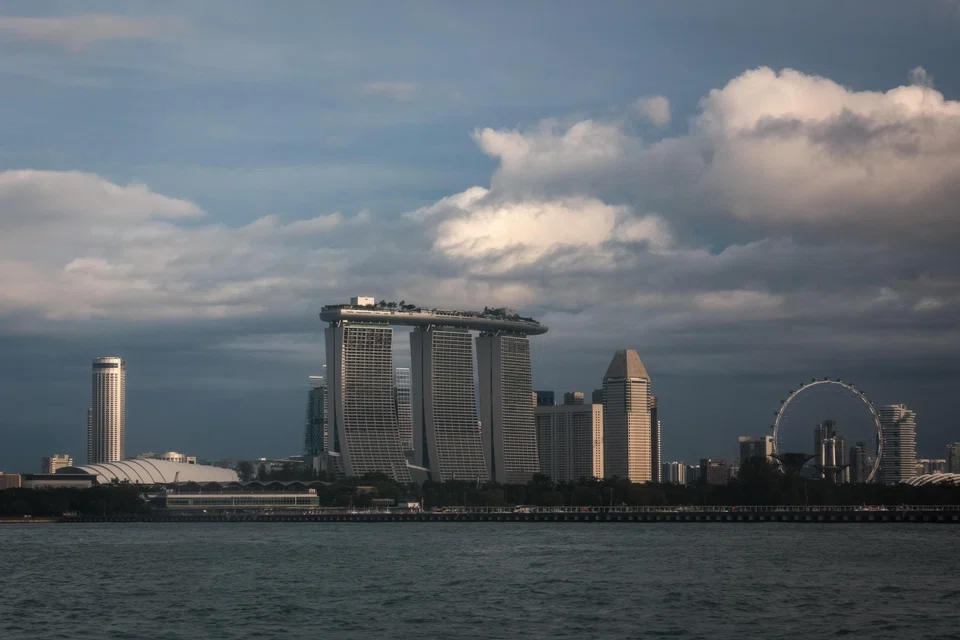
SINGAPORE may see a slowdown in the growth of the number of family offices ahead as the Republic shifts towards attracting wealthier families.
The number of single family offices (SFOs) in Singapore exceeded 2,000 in 2024, a 42.9 per cent jump from the 1,400 recorded in 2023. The growth last year was also almost double of the 1,100 added in 2022.
Yet observers believe that this growth could slow in the coming years, given Singapore’s move to tighten regulations in the sector. Some even think the overall number could eventually shrink.
“We tend to think that there is likely to be a decline in the number of SFOs in Singapore, more so due to the tweaks and entry to barriers to setting up an SFO in Singapore,” said Sim Bock Eng, head of WongPartnership’s specialist and private client disputes practice.
There is also rising competition from other established and aspiring financial hubs in the region, which are dishing out incentives to court the ultra-rich.
“With the Covid-19 pandemic well behind us, coupled with Singapore’s SFO sector becoming more mature, we can expect interest to moderate,” said Desmond Teo, EY Asia-Pacific family enterprise leader.
New disclosure requirements under the updated SFO framework are likely to result in higher compliance costs, said Pearlyn Chew, partner for family office and private clients at KPMG in Singapore.
Some ultra-wealthy families may thus reassess whether it is still beneficial to establish an SFO in Singapore, and instead consider other jurisdictions with “lighter-touch” regulations and tax regimes, Chew said.
Combined with rising competition from other regional wealth hubs, the number of applications have grown at a slower pace, even though the number of approved SFOs went up last year, she added.
Vikna Rajah, head of tax and trust and co-head private wealth at Rajah & Tann Singapore, said the number of his new SFO clients has decreased, although those who are setting up tend to have very large assets under management.
“We already have over 2,000 (SFOs) – there’s always a limit,” Rajah said.
“Now the focus should be on quality… getting the big families who can hire a larger number of investment professionals and contribute to the economy.”
Agreeing, WongPartnership’s Sim said with the tweaks made to the framework over the years, the SFOs attracted to Singapore now tend to manage higher assets under management and more professionally.
Dentons Rodyk senior partner Edmund Leow also noted the possibility of some existing FOs shutting down if operating and compliance costs – which are steadily increasing – make the FO uneconomical.
The Singapore brand
Nevertheless, observers believe Singapore still has more to offer for families looking to relocate.
Leow said he sees new applicants for SFOs who are “confident” that they can meet the tightened regulatory restrictions and enhanced scrutiny.
“They are aware of Singapore’s global brand of being a clean and reputable jurisdiction, and now also wish to benefit from the ‘Singapore brand’ by association,” Leow said. “The number of such applicants may thus be fewer, but the quality may be higher.”
Overall, Leow still expects the number of new applicants to outpace the ones that shut down, albeit at a lower rate.
Joel Seow, investment funds partner at Linklaters Singapore, agreed that Singapore still boasts qualities which makes it attractive for SFOs to remain here in the mid to long term.
Ultra-wealthy families will still choose Singapore for its political stability, pro-business environment and policies, and deep talent and service-provider pool.
“I highly doubt the numbers will fall over time, but the rate of growth may moderate as we fine-tune our criteria for SFOs,” he said.