

Regional markets mixed as US Fed pauses rate hikes but further increases loom

Tan Nai Lun
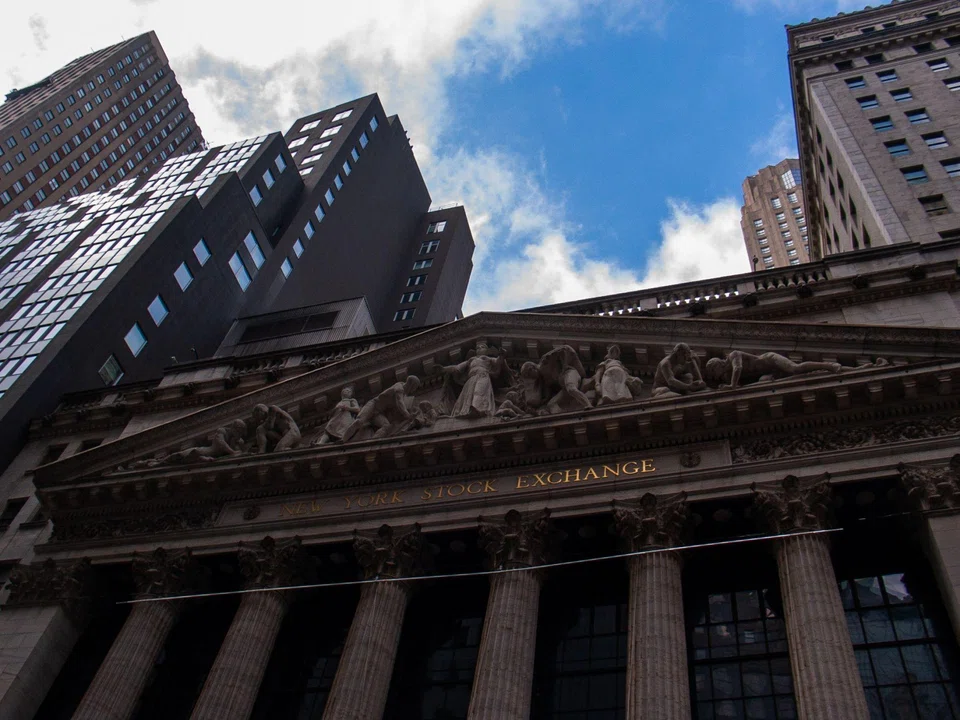
REGIONAL markets traded mixed on Thursday (Jun 15) after the US Federal Reserve at its latest Federal Open Market Committee meeting said it would skip a hike in interest rates.
On Wednesday, the Fed kept interest rates unchanged, but said borrowing costs will likely rise by another half of a percentage point by the end of this year. This comes amid stronger-than-expected economic growth and a slower decline in inflation.
The Hang Seng Index closed 2.2 per cent higher and the SSE Composite Index ended up 0.7 per cent, while the Nikkei 225 closed 0.1 per cent lower, and the Kospi Composite Index ended down 0.4 per cent.
In South-east Asia, the Straits Times Index rose 0.8 per cent and the Jakarta Composite Index gained 0.2 per cent, while the FTSE Bursa Malaysia KLCI Index fell 0.3 per cent and the Thailand SET Index lost 0.2 per cent.
Ray Sharma-Ong, investment director of multi-asset investment solutions at Abrdn, said markets are currently not priced for what the Fed has signalled.
He noted that markets are showing a 60 per cent probability of a 25 basis point hike in July, almost no hikes in September, and rate cuts in the fourth quarter of 2023.
Paul Chew, head of Phillip Securities Research, noted that the Fed pause is viewed as modestly positive in the near term, although the higher-for-longer rates will dampen global growth.
Chew favours dividend-yielding stocks such as real estate investment trusts and banks, and expects companies exposed to recovering Chinese consumption to see growth.
Vishrut Rana, an economist at S&P Global Ratings, noted that the elevated interest rate environment in the US could result in capital flow pressures for South-east Asia markets this year.
But Rana still expects the region to remain an attractive destination for foreign direct investments, given its strong medium-term outlook.
He said: “While the region is facing weaker external demand and gradually fading reopening momentum, we still expect resilient domestic demand to support economic activity in South-east Asia this year.”
Tai Hui, Asia-Pacific chief market strategist at JP Morgan Asset Management, prefers high quality fixed income products to lock in the current rates, as he still expects to see an economic slowdown in the US.
For equities, he suggests that investors have greater international diversification in developed markets, given their varying phases of economic growth and monetary policy cycles. For example, he said, Japan is still enjoying some structural tailwinds.
Maybank Securities head of equity sales trading Wong Kok Hoong also noted Asia is weighed down by continuously weak China macroeconomic data.
Furthermore, the Asean region – with the exception of Vietnam – underperformed Japan and selected North Asian markets, and would probably need clarity on the Fed’s next course of action and on China’s outlook to play catch up, he added.
Wong expects rate-sensitive sectors – including tech – to recover if visibility in US rate direction improves. China’s recovery should also benefit the commodities sector, and hospitality-related themes amid the return of more Chinese tourists, he said.
“In general, I expect the mood will turn cautious, at least till markets get better visibility,” Wong said. “Markets will be looking at every macro data and dissecting every Fed official’s speech.”
TRENDING NOW

Singapore expects all parties to honour commitments, says PM Wong after Indonesia cuts gas exports

Gas Supply may pursue remedies if contract breached following Indonesia’s export cuts: Tan See Leng

SoftBank’s Son plans US$50 billion Malaysia tech outlay: Anwar Ibrahim

Is Manila Asia’s new dining hot spot?

