Regional markets mixed as US inflation data surges past expectations

Tan Nai Lun
REGIONAL markets closed mixed on Thursday (Jul 14), after the US on Wednesday posted inflation figures that were ahead of expectations.
Shares in Singapore, Hong Kong, South Korea, the Philippines and Shanghai closed lower, with the Straits Times Index closing down 1.2 per cent.
South Korea’s Kospi Composite Index shed 0.3 per cent, Hong Kong’s Hang Seng Index lost 0.2 per cent, the Philippine Stock Exchange Index closed down 0.1 per cent and the Shanghai Composite Index fell 0.1 per cent.
Shenzhen, Japan, Malaysia and Indonesia closed higher, with the Shenzhen component index up 0.8 per cent, the Jakarta Composite Index gaining 0.7 per cent, and Japan’s Nikkei and the Kuala Lumpur Stock Exchange each closing 0.6 per cent higher.
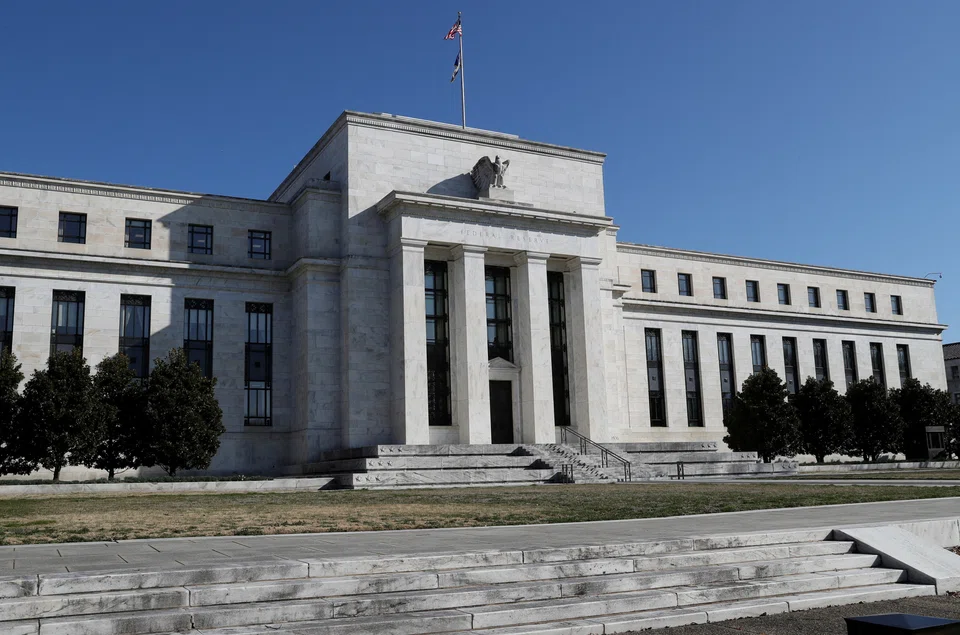
Headline consumer price index (CPI) in the US rose 9.1 per cent on year for June, above consensus estimates of 8.8 per cent, amid rising energy costs and continued supply-chain disruptions.
Some analysts noted that the higher-than-expected inflation figures drove up expectations that the US Federal Reserve will make aggressive interest rate hikes, and subsequently drive up risks of recession.
Yeap Jun Rong, market strategist at IG, noted that the muted reaction in US breakeven rates suggests that the market is confident that the Fed will be able to keep inflation under control.
“The Asia session could leave market participants to digest the upside surprise in US June inflation, with expectations of a more aggressive tightening translating to higher recession risks,” he said.
Vishnu Varathan, head of economics and strategy for the Asia and Oceania Treasury Department in Mizuho Bank, noted that this “begs the question whether the Fed will have to pull out even bigger rate hikes out of the bag to get ahead of the curve”.

Justin Tang, head of Asian research at United First Partners, said a wait-and-see approach would be more suitable in the current climate, given the lingering question of how central banks in Asia will react to the rate hikes.
He expects the Fed will take measured actions without tipping the economy into recession, adding that the interest rate increases are coming at a time when the economy is “very robust”.
Tang said banks would likely be a beneficiary of the rising interest rates to a certain extent, while rate hikes will likely hurt companies through higher input costs, as well as those that require a lot of short term funding.
Shekhar Jaiswal, head of equity research at RHB Bank Singapore, also expects real estate investment trusts will take a hit from the rate hikes; he also said banks should stand to gain from higher interest rates if the rate hikes do not lead to slower economic growth or a recession.
Decoding Asia newsletter: your guide to navigating Asia in a new global order. Sign up here to get Decoding Asia newsletter. Delivered to your inbox. Free.
Copyright SPH Media. All rights reserved.