

Border reopening is godsend to Singapore retail space landlords

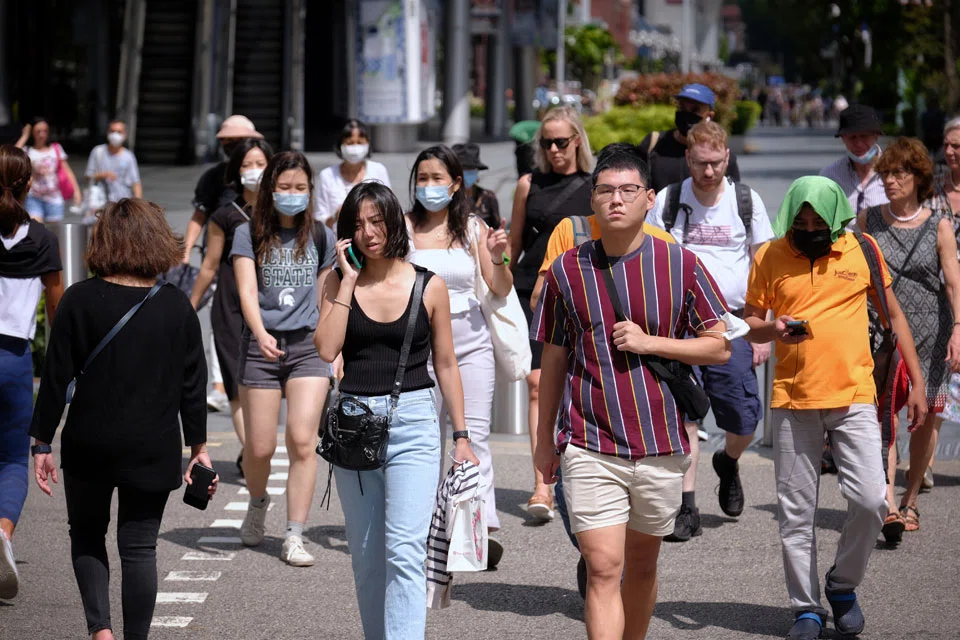
AFTER several stops and starts along the way, it looks like things have finally reached an inflection point for the retail sector.
The easing of travel curbs through the launch of the Vaccinated Travel Framework is gradually helping to bring tourists back to Singapore, which should benefit shopping malls in areas popular with holiday-makers, such as the Orchard Road shopping belt.
The Central Business District (CBD), meanwhile, is starting to regain a bit of buzz after the government lifted capacity limits in offices to 75 per cent, up from 50 per cent.
Footfall is also expected to pick up as larger groups of vaccinated people are now able to dine together. This could give tenants greater confidence in the re-opening trajectory, which in time could encourage them to expand their footprint.
In addition, landlords should be able to look forward to improving rental reversions as tenant sales pick up. CGS-CIMB analyst Lock Mun Yee estimates that rental reversions will see stability to low single digit improvements for 2022.
On the flipside, it's worth noting that Singapore residents will likely seize the opportunity to pack their bags and head abroad during the school holidays. An exodus of residents could impact takings, especially at suburban malls.
Against this broader backdrop, Knight Frank is sanguine that rental pressure is easing. Prime retail rents are likely to rise between 2 and 4 per cent for 2022 as a whole, it said.
In a recent report, Ethan Hsu, Knight Frank's head of retail, said: "Unless new variants emerge and threaten the road to recovery, retail rents should bottom out in Q2 2022 before improving in the latter half of the year."
The rate of rental decline already showed signs of easing in Q1 2022, with island-wide prime retail rent shrinking by an average of 5.4 per cent year on year to S$25.10 per square foot per month (psf pm) versus 5.8 per cent in Q4 2021.
In Orchard, prime retail rents averaged S$27.90 psf pm in Q1 2022, while the rentals of prime space in surburban malls worked out to S$25.30 psf pm.
Recovery plays with retail assets in prime areas include CapitaLand Integrated Commercial Trust and Lendlease Global Commercial Reit.
Analysts also expect vacancy rates to dip as the year progresses. According to data from the Urban Redevelopment Authority, the island-wide vacancy rate for retail space remained flat at 8.1 per cent at the end of the fourth quarter of last year as occupier demand held steady.
Besieged by high operational costs and competition for spend from e-commerce, the retail sector was already facing headwinds before the pandemic hit.
For a number of struggling retailers, Covid was the final straw that broke the camel's back, leading to brands such as Robinsons, Topshop and Esprit shuttering their physical stores.
But Knight Frank expects demand for retail space to persist from new-to-market brands as well as from segments such as athleisure wear and sporting goods brands - as hybrid working enables people to maintain a more active way of life. Puma, for instance, is poised to launch a 7,100 sq ft flagship store at 313@somerset in June.
While suburban malls outperformed malls in Orchard and the CBD during the pandemic as everyone hunkered down at home, CGS-CIMB's Lock expects the re-opening of borders and the relaxation of safe management measures to benefit all retail landlords.
She said: "The reopening of borders would mean more inbound visitors, while the relaxation of safe management measures allows higher F&B dine-in capacity and the ability to resume atrium events, in addition to more employees able to return to the workplace."
OCBC Investment Research analysts reckon Frasers Centrepoint Trust - with its portfolio of suburban malls - will still benefit from the shift to endemic living. OCBC did, however, trim its fair value estimate from S$2.81 to S$2.67, in line with a decreased FY23 DPU forecast on lower margin assumptions.
Downside risks for retail landlords lie in elevated oil prices, which will mean heftier energy bills, as well as higher costs from servicing interest debt.
The path to recovery has not been a straight one, with the Delta and Omicron variants throwing a spanner into the works. But with the relaxation of safe distancing measures and a purposeful pivot towards endemic living, the recovery is finally on firmer ground.
TRENDING NOW
DBS remains analysts’ pick ahead of Q3 earnings after Singapore banks’ share slump

Singapore identifies 7 firms responsible for haze fires, notices issued urging action: Grace Fu

Good Class Bungalow market activity picks up pace on ‘realistic’ pricing

High Court rules against Julius Baer’s Singapore trust arm in US$50 million family trust dispute

