CICT posts 11.3% rise in Q1 net property income to S$276.3 million
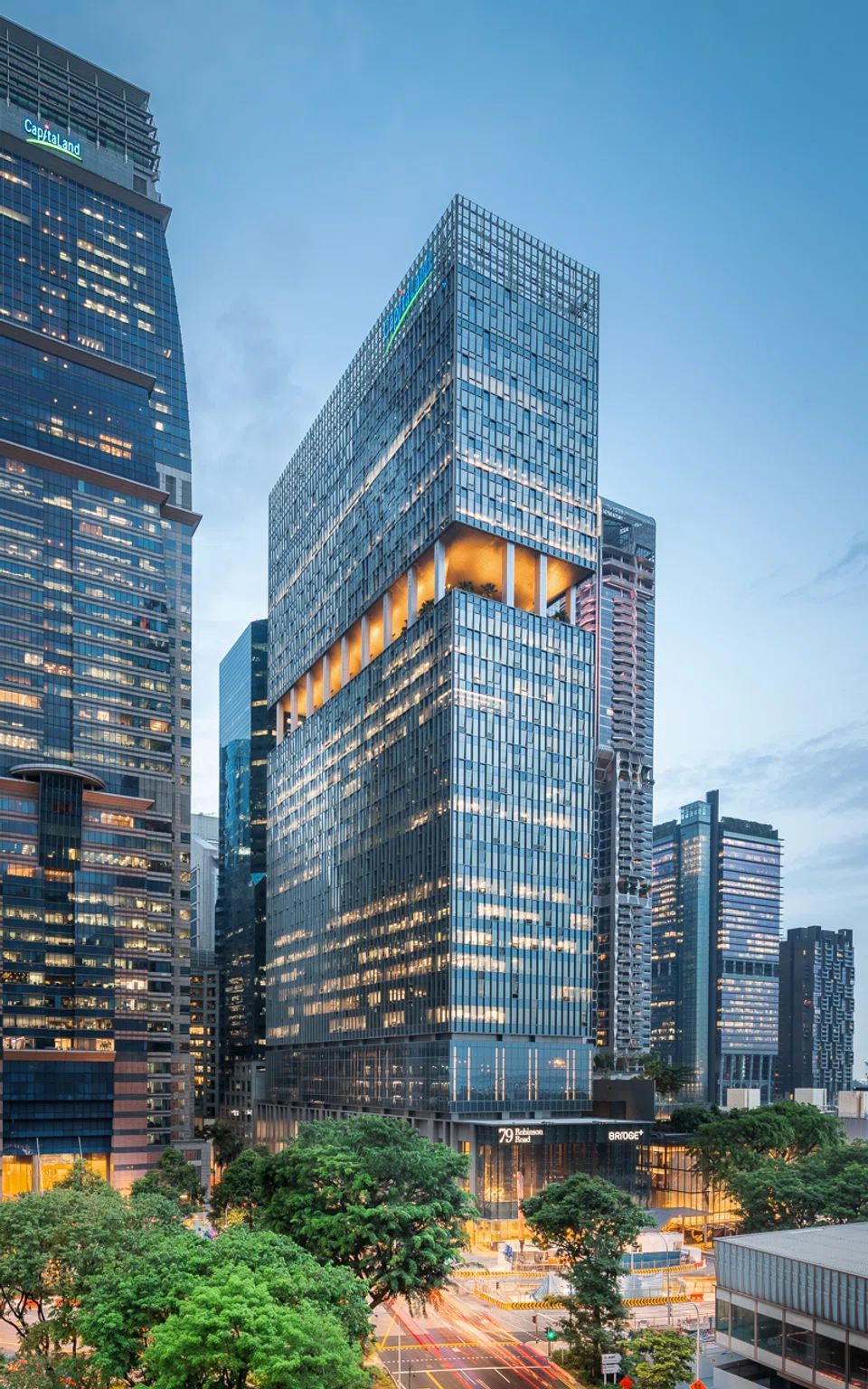
CAPITALAND Integrated Commercial Trust (CICT) reported an 11.3 per cent rise in net property income to S$276.3 million for the first quarter ended Mar 31, 2023, from S$248.3 million in Q1 2022.
Gross revenue for the quarter was up 14.4 per cent year on year to S$388.5 million, from S$339.7 million previously, the manager announced on Friday (Apr 28).
CICT’s Q1 2023 performance was boosted by contributions from the acquisitions of a 70 per cent interest in CapitaSky and three Australian assets, in the second half of last year, as well as higher income from existing properties. These gains were partially offset by higher operating costs and the divestment of JCube, which was completed in March 2022.
Portfolio occupancy for the quarter was 96.2 per cent, up from 93.6 per cent in 2022. Its weighted average lease expiry remained stable at 3.7 years.
CICT also secured positive rental reversions of 6 per cent for its retail portfolio and 4.2 per cent for its office portfolio in Q1 2023.
With the large-scale relaxation of Covid-19 measures since April 2022, CICT said its retail tenants saw a 10.2 per cent rise in sales and a 26.7 per cent rise in shopper traffic for Q1 2023.




The manager’s outlook for the trust’s retail portfolio in Singapore is positive, on the back of China’s reopening and the continued recovery of tourism.
Units of CICT ended 1 per cent or S$0.02 lower at S$2.02 on Thursday.
Decoding Asia newsletter: your guide to navigating Asia in a new global order. Sign up here to get Decoding Asia newsletter. Delivered to your inbox. Free.
Copyright SPH Media. All rights reserved.