Sabana Reit’s manager on hiring spree following high attrition ahead of internalisation

Raphael Lim
Published Tue, Jan 23, 2024 · 07:48 PM
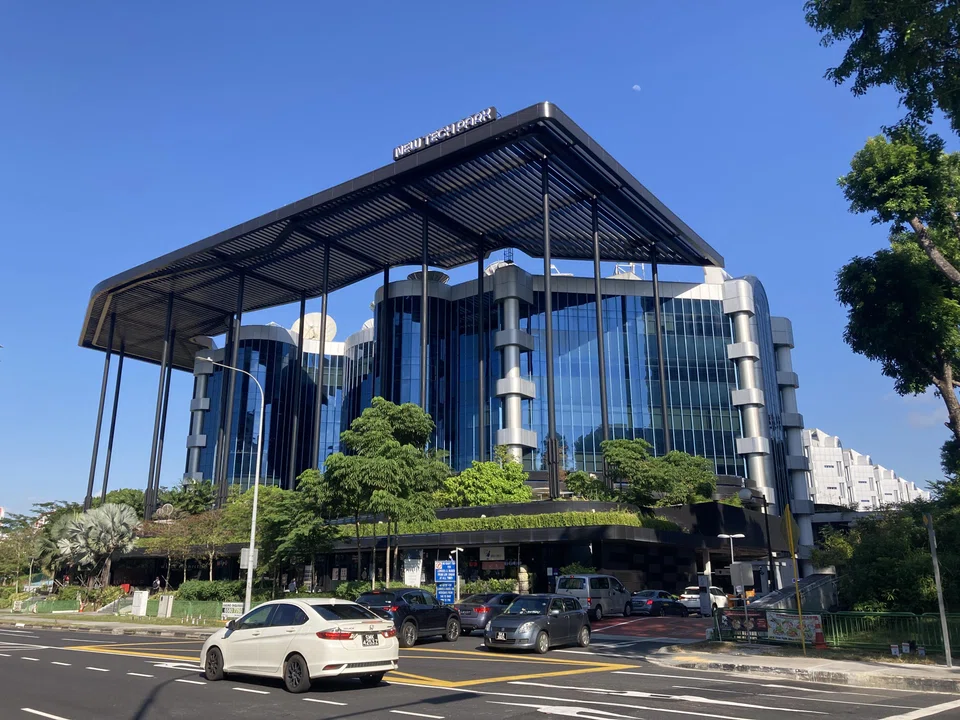
    • New Tech Park, at 151 Lorong Chuan, is an asset in Sabana Reit's portfolio; the multiple job openings at SREIM and SPM come after Sabana Reit unitholders voted to remove SREIM as the manager in favour of internalisation.
    • New Tech Park, at 151 Lorong Chuan, is an asset in Sabana Reit's portfolio; the multiple job openings at SREIM and SPM come after Sabana Reit unitholders voted to remove SREIM as the manager in favour of internalisation. PHOTO: BT FILE

    THE manager of Sabana Industrial Real Estate Investment Trust (Sabana Reit) is on a hiring spree as it faces a high attrition rate of more than 30 per cent ahead of a proposed internalisation of the Reit’s management function.

    There are currently six openings from Sabana Real Estate Investment Management (SREIM) advertised on the MyCareersFuture job portal, all posted earlier this month. The roles advertised include positions in investor relations, finance, human resources, compliance and asset management.

    Meanwhile, Sabana Property Management (SPM), the property manager for Sabana Reit, has five job openings that were advertised this month, including roles for admin executives, a leasing executive/manager and a property management executive.


    The multiple job openings at SREIM and SPM come after Sabana Reit unitholders voted to remove SREIM as the manager in favour of internalisation at an extraordinary general meeting (EGM) last August.

    Speaking to The Business Times on Tuesday (Jan 23), Donald Han, chief executive of SREIM, noted that it had disclosed prior to the EGM that high attrition for existing staff was a key concern. Previous estimates had been for an attrition rate of about 30 per cent, but it has crossed that level, Han said.

    “The key point is really to find replacement for our headcount, and more importantly, to be able to keep our existing staff currently,” he said. While the manager has found some replacements, not all vacancies are filled.

    The manager noted on Tuesday that there is no assurance that existing staff would continue to stay, given the uncertainties during the interim period. The uncertainty has also impacted the manager’s ability to retain and recruit staff.

    “Staff want to work for a permanent manager not an interim manager,” Han said.

    The jobs currently advertised are mostly junior roles, but the manager has faced departures at all levels. However, most of the senior management team, including Han, the chief financial officer and head of real estate remain.

    “We are working doubly hard to ensure that we keep the manager a tight and steady ship, but at the same time, making sure we continue to progress the Reit’s performance,” he said.

    Last June, activist investor Quarz Capital requisitioned an EGM to pass two resolutions: to remove SREIM as the manager; and direct the trustee to internalise the Reit’s management function.

    It said that the cost savings to be reaped from the removal of the external manager would benefit unitholders. Its letter also highlighted its concerns over matters of corporate governance.

    However, Sabana’s manager, the trustee and sponsor ESR Group, had warned that the process was not so straightforward, as there were risks and uncertainty for unitholders.

    SREIM had warned previously that there was “no assurance or certainty” that existing staff of the manager would be willing to stay on due to the uncertainties. Han also noted at the time that staff with work experience in a capital markets services (CMS) licensee are “well sought after” by other Reits, funds and family offices.

    Based on the EGM circular, if SREIM and/or the property manager are unable to retain their staff and lose their capability to serve as the manager or property manager of the Reit during the interim period, the responsibility of managing Sabana Reit and its properties would potentially fall onto the trustee, or professional advisers that the trustee appoints.

    The trustee had previously warned that the internalisation process would take a considerable amount of time – at least 12 months – and cost. It is currently working with advisers to implement the resolutions for internalisation.