

Rest of year may see rotation if investors shift from tech
US investors are going all-in on vaccines, all-in on President elect Joe Biden and all-in on the electric car but at least one of those wagers could well prove premature. US stocks continued their historic rally last week, and the Dow Jones Industrial Average closed above 30,000 for the first time as one of the strongest months on record drew to a close on Thanksgiving week.
There remains a chance of more economic and market stumbles if the second wave of Covid-19 in the US causes more lockdowns and mass suffering, well before Mr Biden can pass a stimulus or distribute vaccines.
Last week, AstraZeneca became the latest vaccine maker to post promising trial results, even as the British drug giant conceded that there had been some mistakes resulting in lower doses given to some trial participants.
AstraZeneca is hot on the heels of Pfizer, and its partner BioNTech, which have submitted their vaccine for Food and Drug Administration review; and biotech company Moderna.
"With the very encouraging vaccine data, the pandemic should begin to wind down next year, driving a powerful recovery in economic activity and corporate earnings," said strategists at money manager UBS Global Wealth Management, in a note to clients.
Shares of the companies that stood to gain most from the vaccine, including energy and airline companies, registered massive gains on the week and the month.
Even though airports in the US were at their busiest since March during the run-up to the Thanksgiving holiday last Thursday, passenger traffic was roughly half the volumes of a year earlier.
In the wake of prior festive occasions in the US, including Memorial Day at the start of the summer, there was a spike in cases.
One statistical analysis from Georgia Tech University, which calculates the odds of encountering someone infected with Covid-19 at a gathering, shows a high risk of infection in parts of the Midwest such as Kansas and Oklahoma where winter has already arrived.
Other parts of the country, including Texas, have already seen hospitalisations ahead of winter weather descending this month. Texas governor Greg Abbott is staunchly resisting any new restrictions, even as hospitals fill up in many parts of the state.
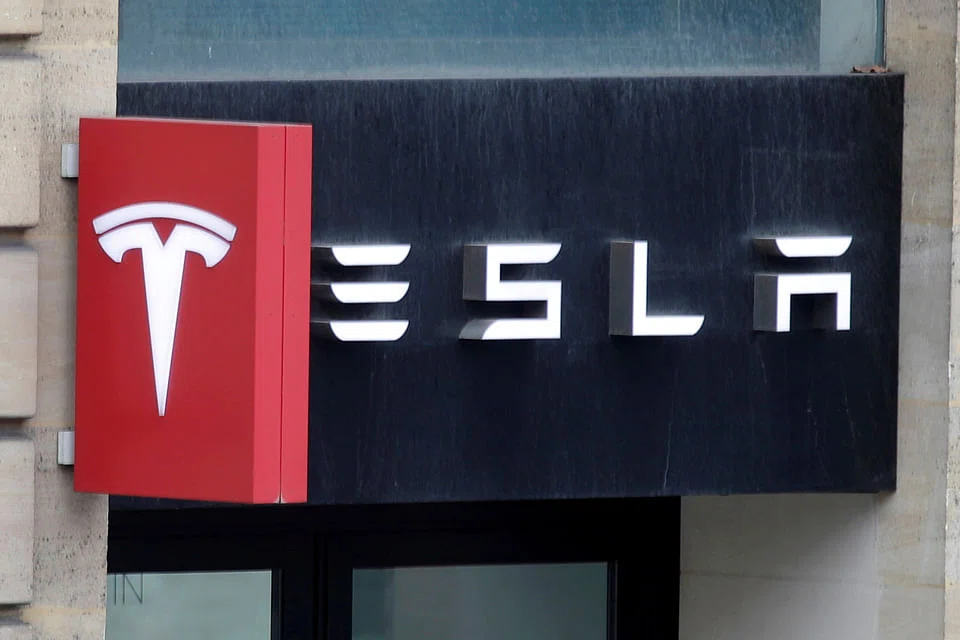
Stocks of electric carmaker Tesla have risen dramatically, adding hundreds of billions of dollars in market capitalisation.
This makes Tesla worth more than Toyota Motor, General Motors, Volkswagen and Ford Motor combined, though each of those vehicle makers outsell Tesla and several even have promising electric-car programmes.
Smaller electric-vehicle makers such as Nio and Nikola have seen still bigger jumps in their valuation, prompting analysts at Bloomberg News to warn that a speculative bubble had formed in electric-vehicle stocks.
Part of the electric-revolution ebullience is related to Mr Biden's election victory, which US President Donald Trump is beginning to accept.
Mr Biden has signalled his determination to wean the US off oil, as he has promised, by creating two cabinet-level climate-change roles, with former secretary of state John Kerry named as an international envoy on the issue.
The latest gains for Tesla came as analysts at brokerage Wedbush said the world was now at an "inflection point" for electric vehicles.
The sense that the end is nigh for Big Oil has diminished somewhat in recent weeks, with the energy sector coming back from the dead.
Oil futures approached US$45 a barrel for the first time since March, following their April retreat into negative territory.
While oil companies are under greater regulatory scrutiny than usual, there are signs that petrol demand is rebounding while there are no easy substitutes for the vast industrial applications - such as plastics - for oil, said strategists at brokerage Jefferies.
Other analysts say that the balance of the year will see a rotation, with the energy sector - and other old-school sectors such as industrials and financials - drawing investors away from the tech sector that had led the stock market for much of 2020.
TRENDING NOW
Despite the de-dollarisation debate, demand for dollar liquidity in Asia is growing
URA to review guidelines on floor space to give developers more design flexibility: Chee Hong Tat

He built the Vingroup empire. Now South-east Asia’s richest man is handing some key roles to his sons
Can a first-time homebuyer couple earning S$18,000 a month afford a new EC unit?

