

Rex International’s diversification bet on drones looks set for take-off

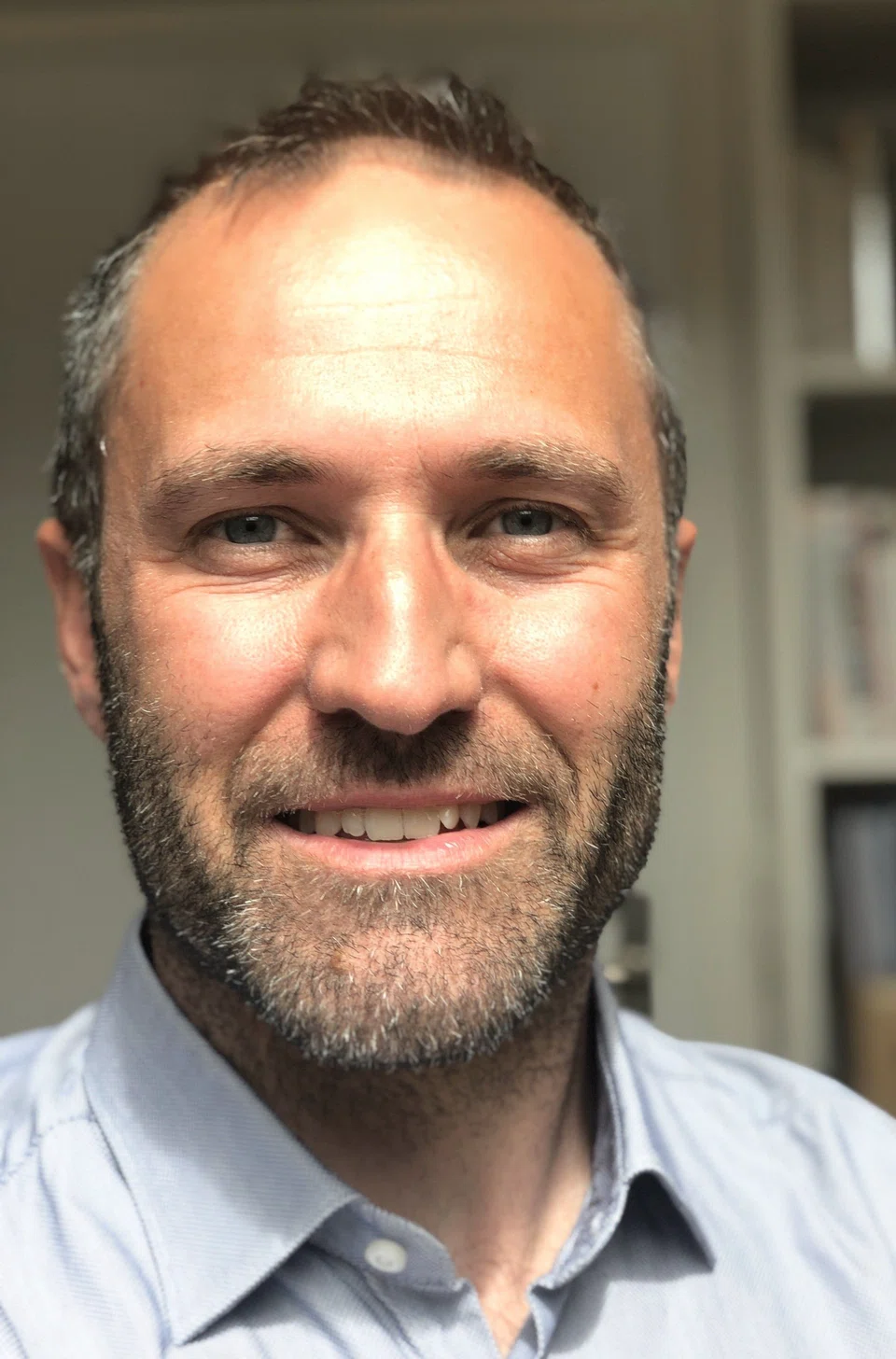
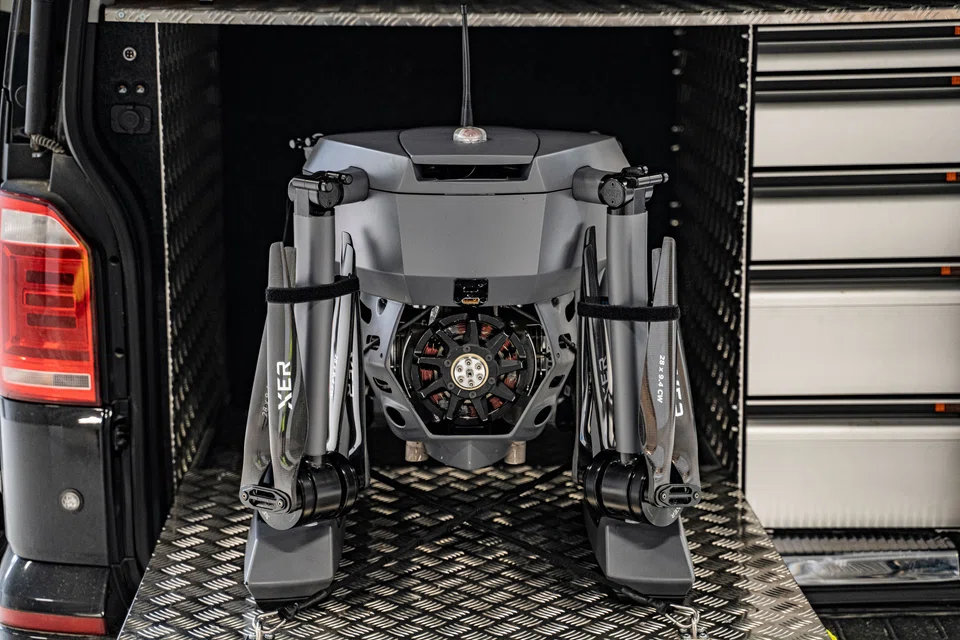
ZURICH-headquartered firm Xer Technologies has rolled out its first product, a heavy-duty hybrid electric drone called X8 – just a year and a half after oil firm Rex International Holding made its first bet on the commercial drone maker.
These drones pack a punch in terms of flight time and payload and could give the predominantly battery-propelled drone market a run for its money.
Armed with a sharpened business proposition to further expand its platform of unmanned aerial system (UAS) solutions in the coming year or so, and to step up its game in the booming global commercial drone market, Xer is also mulling an initial public offering (IPO) in two to three years, according to Xer’s chief executive Kristofer Skantze in an interview with The Business Times.
For starters and in keeping with a “prudent approach”, Xer has rolled out half a dozen X8s that can fly 2.5 hours with 4 kg payload into the market. It hopes to launch the X12 in late-2023, another heavy-duty drone platform which is able to fly four hours with a 20 kg payload.
The company is also in early assessment of developing an X200 – a “revolutionary” drone capable of carrying a 200 kg payload but for this, it is banking on getting funding “commitment” from partners.
“We want to have someone in there to put a bit of skin in the game. But I believe we could probably have a prototype ready... at the very latest, a year after this,” said Skantze, who is also Rex International’s chief commercial officer and manages the group’s business development.
Xer, formerly headquartered in Sweden, hopes to ramp up its sales to 20 drones next year. But if things go its way, those numbers could look a lot rosier.
Skantze noted: “We have to be prudent and spend wisely with a conservative budget. (But) Some of these tenders that we’re applying for have numbers that are many times more (than 20 drones). And that’s just one tender. If we say, get a tender in the range of 40 to 50 drones, we have the capability from a manufacturing point of view to deliver on that.”
Skantze added that the company is hoping to be operationally cashflow positive by end-2023.
Xer is 40 per cent owned by Rex International, a former Catalist-listed firm which ascended to the Mainboard of the Singapore Exchange in March this year.
After shareholders gave the firm the nod to diversify - a strategy necessitated by the green energy transition - the tech-driven oil firm announced an up to US$4 million investment in Xer in July 2021.
Rex International was founded by the two Swedish Lidgren brothers Karl and Hans, along with seasoned Norwegian oil and gas veteran Svein Kjellesvik, who are also the firm’s largest shareholders. These founders also own the remaining 60 per cent stake in Xer not held via Rex.
Xer is hoping to be a “catalyst” for an already mature drone market by not reinventing the wheel as much as modifying and harnessing drone technology to ensure better reliability, flight duration and payload capabilities.
Its hybrid electric drones in turn, said Skantze, can serve new critical sectors or “verticals” that the firm is targeting from rail, pipeline and powerline operators to search-and-rescue entities to security organisations such as offshore rescue and border control, as well as landmine detection.
“For example, we have identified railroad inspection as something that we find really interesting. It requires a drone that can fly long distances, and it’s a market that is by no means saturated by these types of technologies. In fact, I would even call it virgin,” he continued.
Xer has been in talks to secure new clients, including to provide powerline inspection for a firm in South-east Asia (the firm is confident of landing this order by the first half of 2023), railroad inspection in the US, Sweden and elsewhere in Europe, according to Skantze.
He pointed out that a recent visit by Xer’s key executives to Singapore was encouraging. “We met with a roster of companies in the local drone space and the response was positively received.”
But as in all sectors bursting with potential and growth, capital is key. “We believe the market is so hot that we are looking for more capital, so we can expand further”, he said.
While an IPO may be one of the options being considered, with Singapore or the US as a possible listing venue, the company is not ruling out a trade sale.
“We need to have some sort of exit plan or opportunity for the investors. But we also have to be cognisant of where the market sentiment is at that time,” Skantze added.
TRENDING NOW

Things to know about DBS’ incoming chairman Anthony Lim
DBS eyes prime brokerage business as Q3 profit falls 5% on weaker trading income

Royal Group and Sunset Hospitality abandon plans to open Casa Mett hotel off Orchard Road
George Yeo adds 100,000 Wilmar shares at S$2.97 apiece, taking stake to over 1 million shares

