

RH Petrogas is drilling into the oil rush

Anita Gabriel
“SIT in the pain until it passes” is exactly what Singapore-listed RH Petrogas (RHP) did as it felt the sting of the oil slump in 2015, followed by a pandemic-led historic oil crash 5 years later as many less-fortunate peers wobbled off the corporate sidewalk.
The payoff has been sweet. As the clouds lifted last year and then some in 2022, surging demand and tight market conditions pushed crude prices pass US$100 a barrel (it hit a high of US$130/b in March). And investors lapped up RHP’s stock given the glint of a sharp reversal in fortunes.
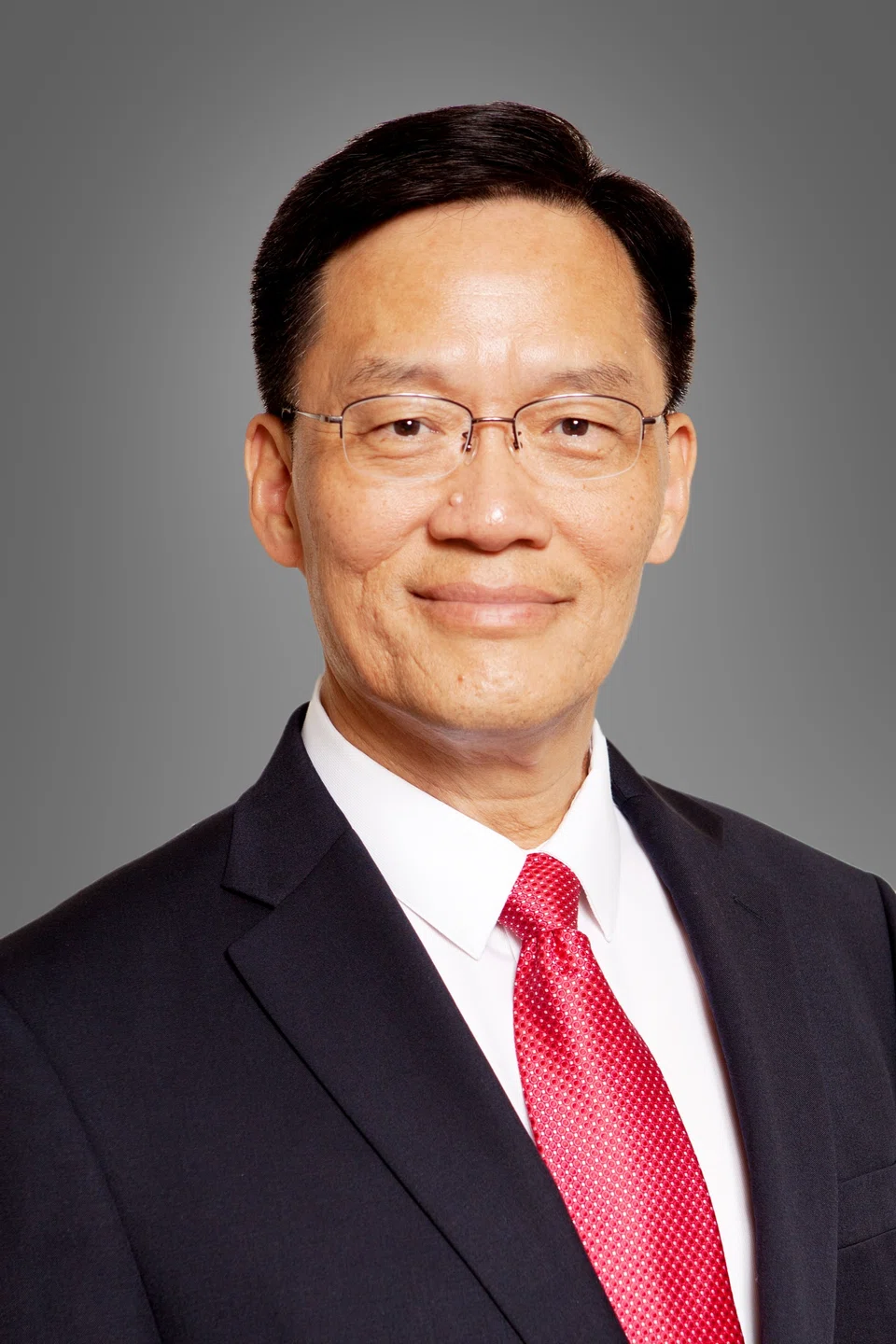
“We have come through 2 cycles in the last 7 years. The first one was really a near-death experience... we have weathered the storm, hunkered down and survived,” recalled RHP’s group chief executive and executive director Francis Chang Cheng-Hsing.
“During the pandemic, even though the demand dropped and prices fell sharply, I knew we would survive.... that we would be okay as we had zero external debt in the 2020 to 2021 period. When you have no debt, life is a lot easier to manage,” said Chang in an interview with The Business Times. “So, we’re still here, enjoying the fruits.”
That’s putting it mildly for the bad weather-fortified firm. With oil prices at an average of US$70/b last year - up from US$40/b the previous year - RHP made a remarkable turnaround, posting a net profit of some US$24 million in FY2021 from a loss of nearly US$4 million a year ago, as revenue jumped 63 per cent to US$83 million. “Last year we had a record financially and production-wise. So, we had a good year,” he said.
If last year was “good”, then the current year is shaping up to be jolly good. Crude oil prices seem to be sitting snug at triple digits with pundits expecting it to stay that way for the year, owing to the Russia-Ukraine war that has led to a severe supply crunch.
While the rosy narrative is not lost on the market, analysts haven’t been drawn to the mainboard-listed upstream oil and gas firm, as evidenced by the lack of coverage since oil’s down cycle 7 years ago. “Nobody (analysts) wants to talk to us,” Chang admitted.
Trading volumes in the counter have surged 250 per cent with average daily trading turnover jumping to S$5.8 million so far this year, from S$1.6 million in 2021. Last year, RHP’s share price jumped by nearly 7-fold with the stock attracting net retail inflows of S$0.3 million, according to data provided by SGX’s market analyst Geoff Howie.
The firm is controlled by Sarawak timber and media baron Tiong Hiew King, and brother Tiong Ik King. Together with other family members, they hold nearly 68 per cent interest as at Mar 24, 2022.
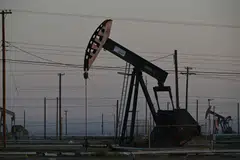

RHP has 2 assets in West Papua, Indonesia which are the Kepala Burung - it produces the majority of the firm’s oil and gas output - and Salawati blocks. The working interest in the production-sharing contracts (PSCs) for both blocks are 70 per cent owned by RHP’s majority-owned subsidiaries, while Indonesian state oil company Pertamina holds a non-working interest of 30 per cent. Last year marked a “distinctive year” for the group as it was the first full year for both PSCs, which had commenced in 2020.
Working in its favour is RHP’s cash position, much of that owing to a prudent move to hold back spending and defer some projects during the downturn. Its “cost optimisation measures”, chiefly to streamline the resources and operations of both assets in Indonesia, which are contiguous blocks, have been a big saver too. As at end-2021, the firm had cash and cash equivalents of nearly US$34 million. Its debt slate is squeaky clean, having most recently capitalised a shareholder’s loan of some S$15.5 million through new shares last December.
RHP plans to cash in on the oil boom by drilling more - at least 3 wells for oil and another 3 “high impact, very deep wells” for gas exploration which will be a costlier undertaking, while revisiting previously deferred well activities, including maintenance and upgrading works, according to Chang.
“With the higher price and cash reserves that we have in hand, first of all we plan to start drilling some wells in our 2 assets. Drilling wells is organic growth and the fastest and cheapest way to grow a company compared to going out and buying something,” noted Chang. He added: “We are excited about finally being able to drill.”
With so much to tap from the assets, he said that the group won’t be hunting for new assets, at least for the next 3 to 4 years.
“Typically an M&A is very difficult during very low or very high oil prices. When the price is high and you like something so badly, you may have to overpay and when the price is too low, the seller has different expectations. So this is one of the extremes right now - very high oil price,” he continued. Chang pointed out, however, that deal flows were “very few” and the firm would be open to M&A if a deal comes along that fits its portfolio strategy.
RHP is intent on doubling down on its 2 assets that have 20-year PSCs, expiring in 2040 - or as he put it, some “18 years to massage”.
According to an independent 3rd-party audit, RHP has an effective working interest of some 35 million and 64 million barrels of oil equivalent in proved and probable (2P) reserves and best estimate contingent resource (2C) in the 2 blocks. “We have quite a lot of running room in our 2 assets and our 2P and 2C are 3 times higher than our nearest competitor in the market here,” he said, adding that under the PSCs, the firm has also committed to explore 7 wells for new resources. “We have big plans,” Chang added.
Inspired by the much higher share of gas versus oil under the 2C (the case is the reverse for 2P), the company also plans to focus more on gas exploration and development over the mid to long term. “We will try to monetise by drilling... we have 2 to 3 wells that we’re going to explore for a new horizon that we have never met before. These are going to be high impact, very deep wells where we will look for big gas reserves. Monetising that will be the key focus for us in the near future, for the next 4 years,” he remarked.
He pointed out that there has been underinvestment in the oil sector owing to market uncertainties and price volatility while the push on the ESG (environmental, social and governance) front has also “complicated funding”, be it from banks or private equity. The firm itself, he admitted, faced such pushback recently.
Does another bumper year await the firm in 2022? “This year, the (average) realised oil price in the first quarter is higher at US$100/b. It was US$70 last year and I was happy,” Chang laughed, visibly delighted by the good times.
Decoding Asia newsletter: your guide to navigating Asia in a new global order. Sign up here to get Decoding Asia newsletter. Delivered to your inbox. Free.
Copyright SPH Media. All rights reserved.
TRENDING NOW

Could stablecoins be the future of money?

Once staunchly pro-China, Malaysian Chinese businesses are now distancing themselves from Beijing
Vietnam’s data-centre investment rush faces reality check on power and site constraints

‘My grandfather’s legacy’: Sherman Kwek lays out three-year plan for CDL to drive returns

