

Rising costs may dampen appetite for restaurants, even if weak tourist numbers don’t: analysts

Megan Cheah
A RETURN of tourists had been widely expected to increase the appetite for restaurants here. But with tourism figures still a distance from pre-Covid levels, domestic consumers are playing a larger role in driving sales for most of Singapore’s listed food and beverage (F&B) companies, analysts say.
“By and large, in recent years, we have observed that Singapore F&B players have generally been more sensitive to the easing and tightening of domestic Covid restrictions than border measures,” said Alfie Yeo, senior equity research analyst at RHB Singapore. The exception, he noted, are “highly tourist-dependent players”, such as Jumbo Group.
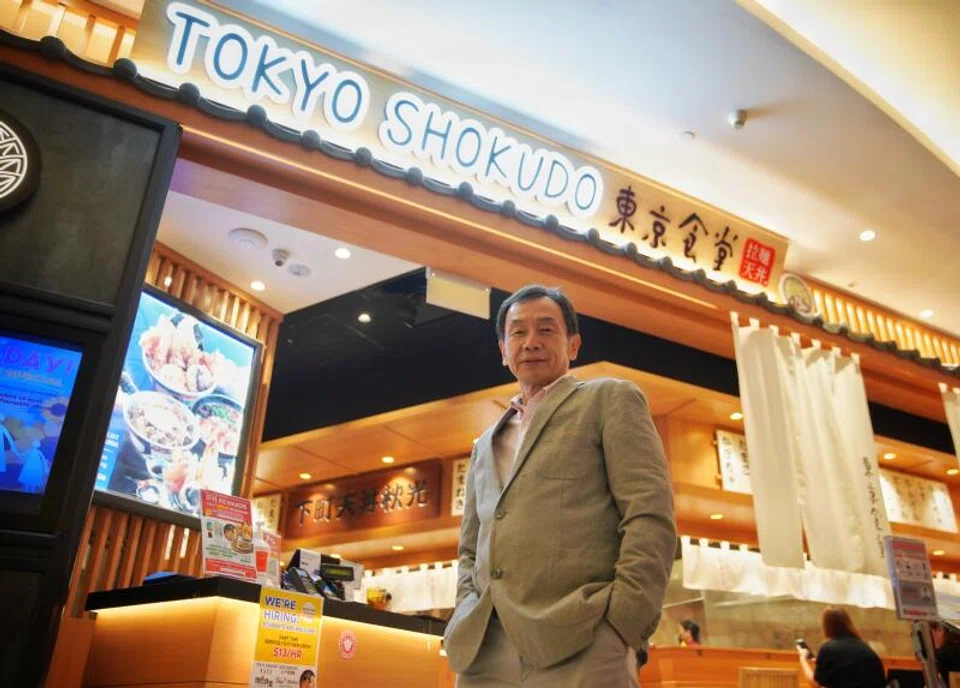
Other companies in Yeo’s purview have “little, or at best, partial impact” from tourists. For example, Catalist-listed Japan Foods , which operates about 20 restaurant and cafe brands across the island, mainly targets local consumers, although some outlets in town could see foreign patronage, he said.
The company’s executive chairman and chief executive Takahashi Kenichi told The Business Times its best-performing restaurants were located in heartland malls, even before the pandemic.
The group had achieved a topline of S$78.5 million for the financial year ended Mar 31, 2023. “This was 43.8 per cent higher than our FY2022 revenue of S$54.6 million and it more than surpassed our pre-Covid-19 performance,” said Kenichi. Its net profit also rose 27.7 per cent year-on-year (y-o-y) to S$4.1 million.
He attributed the improvement to the group expanding its number of outlets to 65, from 56 the year before.
Another Catalist-listed player, restaurant operator Tung Lok Restaurants , experienced a general increase in traffic to its restaurants with the reopening of borders and eased restrictions.
The group’s full-year revenue jumped 65 per cent to S$86.2 million for the fiscal year ended Mar 31, 2023, from S$52.2 million the year before. It also swung back into the black with a net profit of S$4.2 million, from a loss of S$1.8 million.
Tung Lok president and chief executive Andrew Tjioe said the group as a whole catered to more local diners than international ones.
CGS-CIMB analyst Kenneth Tan said restaurant sales volumes had generally recovered to 91 per cent of 2019 levels as at the end of April, compared to 86 per cent as at the end of last year. He attributed this to first-quarter festivities, post-Covid activity recovery and the resumption of tourism and corporate meals.
Lagging tourist numbers from China
However, international visitor arrivals have not yet normalised to pre-Covid levels. The monthly number came in at 1.11 million in May, trailing the 1.5 million international visitor arrivals in May 2019 before the pandemic.
The expected droves of tourists from China, which relaxed its zero-Covid policy at the start of the year, has also not materialised. From January to May this year, there were 310,901 arrivals from the country – a far cry from the 1.55 million that visited Singapore in the first five months of 2019.
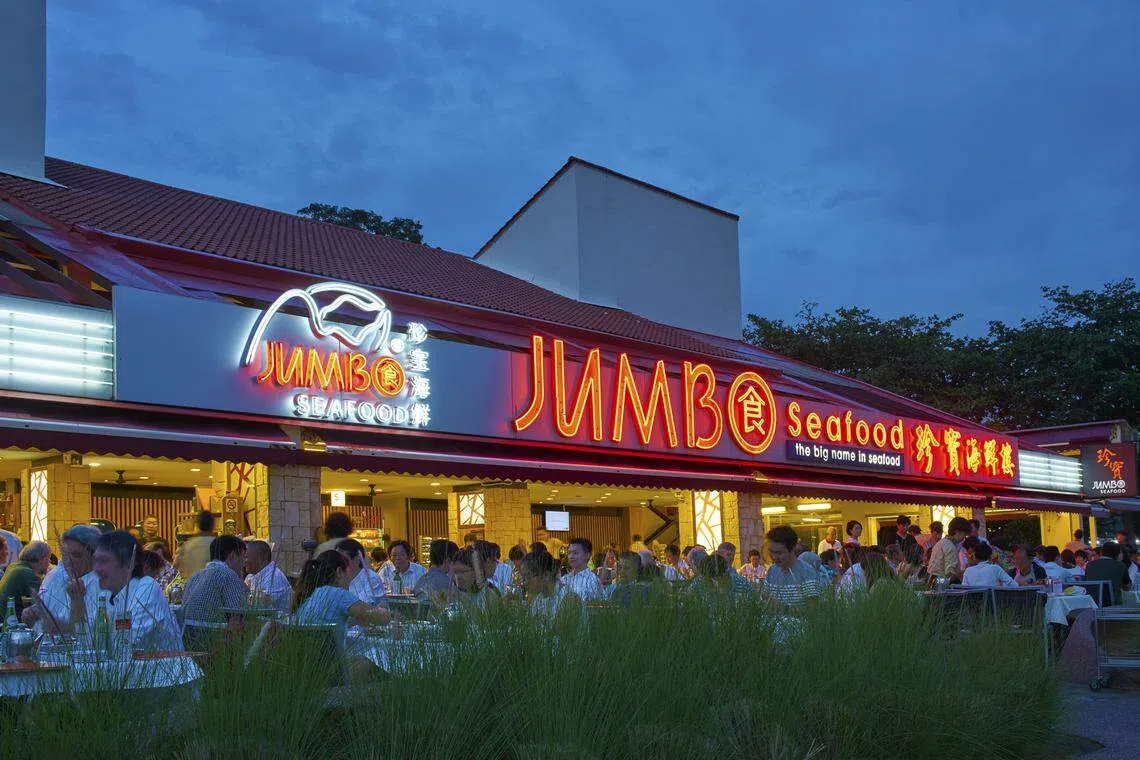
Despite the modest numbers, tourist-sensitive F&B players, such as seafood restaurant operator Jumbo, have bounced back since the lifting of restrictions. Jumbo recorded a net profit of S$7.9 million for the first half of FY2023, reversing from a net loss of S$4.5 million in the same period a year ago.
“While Chinese (tourist numbers) are indeed still below pre-Covid levels, we believe Jumbo should still benefit from robust domestic spend and recovery in non-China tourist footfall,” said CGS-CIMB’s Tan. He noted that tourists historically formed about one-third of the group’s total customer mix, with a substantial number coming from China.
SAC Capital equity research associate Yeo Peng Joon said the Catalist-listed group is “poised to reap even greater benefits with the arrival of more Chinese corporate clients in Singapore”.
“With their anticipated return, they are set to ignite the next wave of customers at Jumbo’s restaurants and event venues, driving up foot traffic and bolstering sales.”
He added a higher number of foreign visitors will be advantageous to operators that have eateries primarily in malls, such as Japan Foods and restaurateur RE&S .
Meanwhile, Tung Lok CEO Tjioe noted that some outlets, such as its fine-dining outpost Tung Lok Heen in Resorts World Sentosa and the Tung Lok Seafood brand, receive a “well-balanced number of locals and tourists”. Chinese visitors make up about 20 per cent of these tourists, and their numbers have increased at both brands since the relaxation of the zero-Covid policy, he added.
On the other hand, RHB’s Yeo reckoned that tourist-dependent F&B companies would have transformed themselves to be more domestic-centric, due to their need to survive during the pandemic.
“Tourist arrivals should now be less of a concern for these companies which have made some changes, and therefore, we expect their focus to have recalibrated to domestic consumers,” he said.
Customers may opt for cheaper fare
With rising concerns over inflation, however, industry watchers flag that customers may prefer lower-priced cafes, food courts and fast-food joints over restaurants in the coming months.
RHB’s Yeo said restaurants could see muted demand growth, as consumers favour more economical options.
According to data from the Singapore Department of Statistics (SingStat), restaurant sales grew 0.2 per cent y-o-y, but fell 3.5 per cent on a seasonally adjusted basis on-month in May. This was in contrast to the other categories posting turnover growth both y-o-y and compared to the previous month.
CGS-CIMB’s Tan said that sales volumes for cafes and food courts will be resilient, due to increased down-trading behaviour as consumers exercise greater financial prudence in the face of rising costs.
That said, the F&B industry as a whole faces other challenges, including a manpower shortage, rising costs and post-Covid normalisation resulting in lower delivery demand.
As such, even coffee-shop operators such as Kimly are expected to face declines in same-store sales after three years of elevated demand for mass market fare, said Tan.
Despite these issues, restaurant operators remain unfazed. Japan Foods’ Kenichi noted that the group’s range of brands offer different price points and can capture a wide spectrum of diners.
Its foray into halal dining has also enjoyed “strong growth momentum” since it launched its first concept in 2020, he added. In FY2023, Japan Foods’ halal segment contributed S$25.9 million, which was 89.1 per cent higher than the S$13.7 million achieved in FY2022.






