

S-Reit retail flows in 2026
Frequent investor presentations remain a strength of the sector
[SINGAPORE] Singapore-listed real estate investment trusts (S-Reits) derive investor appeal from rental income, with distributions anchoring returns while valuations adjust to interest rates and funding conditions.
Income is driven by occupancy and rental reversions, while prices reflect shifts in capital costs and yield spreads to risk-free rates. As a result, investor demand tends to focus on income that can be assessed ahead of time.
Recent retail flows into the S-Reit sector continue to reinforce this positioning.
Frequent investor presentations remain a strength of the sector, which has recorded about S$925 million in net retail buying in 2026 to Thursday (May 21), roughly twice the pace of accumulated net retail buying over 2025.
Across the broader sector, retail flows showed a moderate inverse relationship with recent performance.
The 10 most net bought counters fell about 8 per cent on average (total return), versus about 4 per cent for the most net sold.
In some instances, this appeared to indicate retail adding into laggards for rebound potential, while reducing exposure to comparatively more resilient names. In other instances, buying appeared to reflect fundamentals such as income visibility and improving occupancy.
The most recent S-Reit to list, UI Boustead Reit has renewed and signed new leases for over 305,000 square feet, lifting committed occupancy to 92.2 per cent and reflecting continued leasing momentum.
The Reit has undertaken a co-investment in the UIB Konan Phase 3 logistics development in Japan, which is expected to support income diversification and provide an estimated yield on cost of about 4.8 per cent, above its Japan portfolio net property income yield.

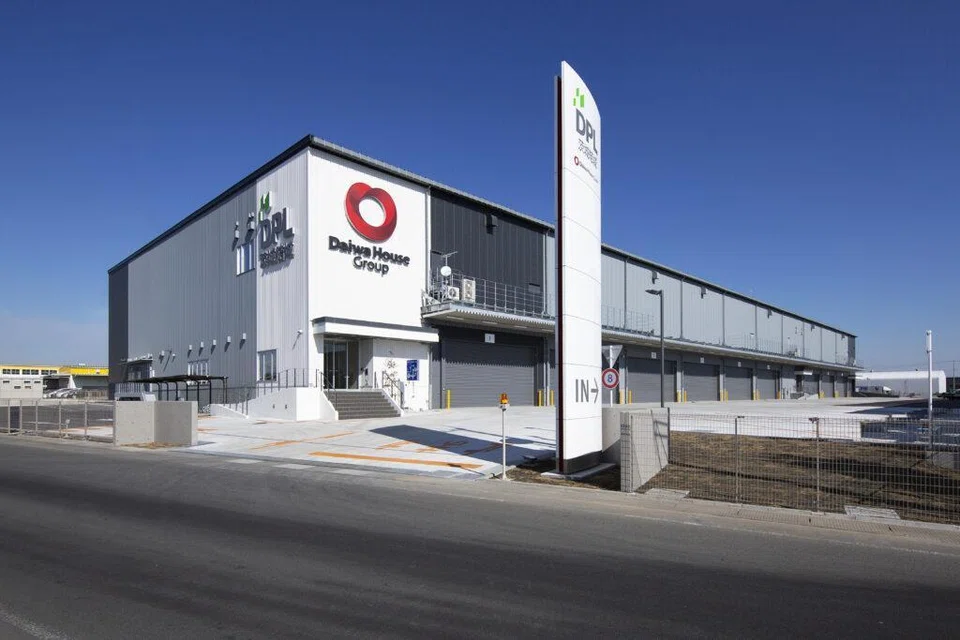
Daiwa House Logistics Trust maintains lease visibility with a meaningful portion of expiries extending beyond 2030, supported by its logistics portfolio and stable tenant demand.
Across the CapitaLand platforms, different drivers support income across geographies.
CapitaLand India Trust is driving higher utilisation across its business parks, supported by leasing momentum in India’s office market, while CapitaLand Ascendas Reit continues to anchor income through a diversified industrial portfolio, with rental reversion and high-specification assets supporting stable occupancy and cash flow visibility.
A similar pattern is seen across industrial and office exposures. Mapletree Industrial Trust has a portfolio that includes data centre and high-spec industrial assets, with tenant demand linked to digitalisation trends supporting occupancy and rental resilience.
The income profile of Keppel Reit remains supported by long office leases, alongside ongoing leasing and asset management initiatives, while Lendlease Global Commercial Reit continues to progress asset enhancement and repositioning initiatives, with leasing supporting rental performance across its commercial assets.
Within more specialised segments, Parkway Life Reit continues to benefit from long master leases across its healthcare portfolio, with demand driven by ageing demographics supporting consistent rental income.
Keppel Pacific Oak US Reit is progressing leasing and capital management initiatives across its US office portfolio, supporting occupancy and income stability, while Sasseur Reit provides a structured income profile through its Entrusted Management Agreement framework, combining a fixed rental component with a variable component linked to tenant sales.
Another consistent thread is that these S-Reits continue to provide updates on leasing activity, alongside varying levels of asset initiatives and portfolio adjustments.
These disclosures provide visibility on how income is being managed and developed over time. UI Boustead Reit’s leasing activity, alongside initiatives across Lendlease Reit and Keppel Reit, reflects ongoing efforts focused on occupancy and rental performance.
CapitaLand India Trust and Keppel Pacific Oak US Reit have also provided updates on leasing activity and portfolio adjustments, indicating continued focus on utilisation and income stability.
The S-Reit sector has developed into a diversified platform spanning logistics, industrial, office, retail, healthcare and hospitality, alongside alternative assets such as data centres, while remaining anchored by recurring distributions supported by real estate fundamentals within a regulated and transparent framework.
The S-Reit sector also remains one of the more well-covered, liquid and actively traded segments of the Singapore market. SGX RESEARCH
For direct access to fund flow data, visit https://sgxdatadesk.com
The writer is the market strategist at SGX. For more research and information on Singapore’s Reit sector, visit sgx.com/research-education/sectors for the S-Reits & Property Trusts Chartbook.
Decoding Asia newsletter: your guide to navigating Asia in a new global order. Sign up here to get Decoding Asia newsletter. Delivered to your inbox. Free.
Share with us your feedback on BT's products and services
TRENDING NOW

Once staunchly pro-China, Malaysian Chinese businesses are now distancing themselves from Beijing

Looking beyond looming CEO succession, should UOB potentially pursue a transformative merger?

Could stablecoins be the future of money?

Grab CEO’s wife Chloe Tong on life with Anthony Tan and finding her purpose

