S-Reits expected to deliver stable Q3 earnings on easing debt costs
More Singapore-listed real estate investment trusts are expected to deliver year-on-year DPU growth helped by a decline in average interest expenses

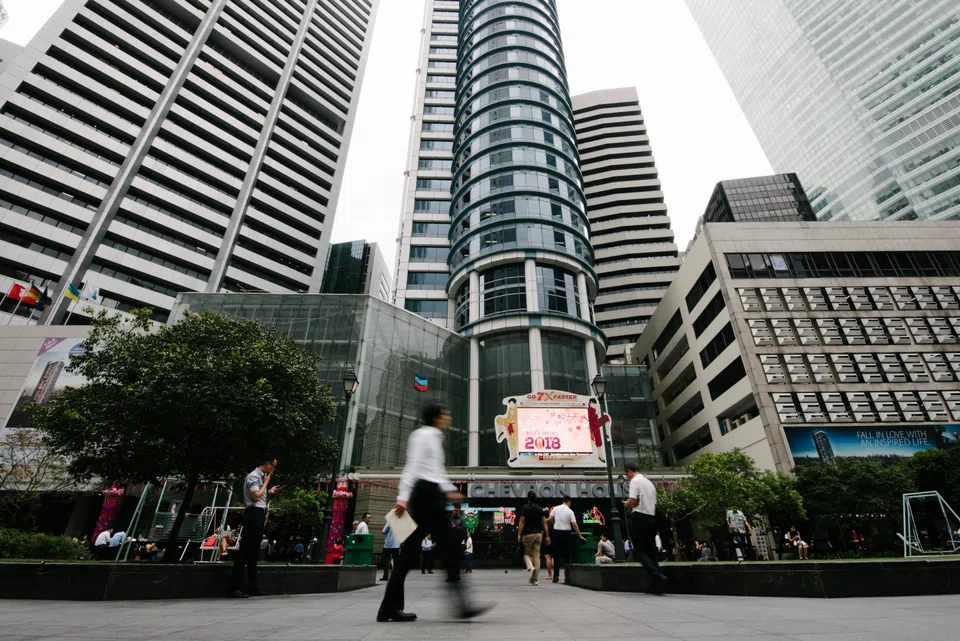
[SINGAPORE] Singapore-listed real estate investment trusts (S-Reits) are expected to post stable performances for the third quarter of FY2025, supported by lower financing costs and resilient operating metrics across most property segments.
The upcoming earnings season will see most S-Reits reporting business updates for the quarter ended Sep 30. Digital Core Reit and Sabana Reit will release their business updates on Oct 22, followed by Suntec Reit on Oct 23 and CapitaLand Integrated Commercial Trust on Oct 28.
Mapletree-sponsored Reits and Frasers Property Reits will release their half-year and full-year results, respectively. Mapletree Pan Asia Commercial Trust will release its first half results on Oct 22, while Frasers Logistics and Commercial Trust will release its full-year results on Nov 7.
Morningstar equity analyst Xavier Lee said he expects S-Reits to report “stable performance and growth” in Q3, driven by easing debt costs and resilient office, retail and industrial markets.
Phillip Securities Research senior analyst Darren Chan likewise expects more Reits to deliver year-on-year growth in distribution per unit (DPU), helped by a decline in average interest expenses. “Around 40 per cent of S-Reits have already reported DPU increases in the first half,” he said, adding that “most sectors should remain resilient, supported by stable occupancy”.
Chan highlighted that the most significant change from a year ago would be the fall in borrowing costs, as the average cost of debt begins to trend lower.
However, Mapletree-sponsored Reits could face pressure on distributions due to vacancy risks in US data centres, negative rental reversions in China and lower occupancies in Japan, said Krishna Guha, an analyst with Maybank Securities.
Guha noted that the focus this quarter will be on how Reits manage their hedge ratios as borrowing costs ease further.
RHB analyst Vijay Natarajan said in an Oct 1 research note that S-Reits appear to have “turned the corner”, with a “brighter outlook” ahead in 2026. It cited moderating interest rates, a resilient domestic economy and government initiatives to revitalise the Singapore market as key tailwinds.
The brokerage also observed improving investor sentiment and fund flows into the S-Reit sector, buoyed by a strong Singapore dollar and fewer alternative yield options. Valuations remain attractive, with the sector now trading closer to book value.
Government efforts to deepen the local equity market could also help smaller Reits.
“The recent launch of new iEdge Singapore Next 50 Indices also includes 15 S-Reit constituents, which in our view, increases visibility and likely improves liquidity for mid-cap S-Reits,” said Natarajan.
Sectors to watch
Analysts are broadly optimistic on commercial and local assets in the coming quarter. Guha expects Frasers Centrepoint Trust , Suntec Reit , Aims Apac Reit and Parkway Life Reit to report flat to higher DPUs year-on-year in Q3.
The office segment remains a key focus. Chan noted that the US office Reit space, which was heavily hit during the pandemic, is showing early signs of recovery. Keppel Pacific Oak US Reit has indicated that it will resume dividend payouts from FY2026, while Prime US Reit said that it would raise its dividend payout from 10 per cent to at least 50 per cent from H2 FY2025.
Meanwhile, Morningstar’s Lee said he is monitoring the potential impact of artificial intelligence (AI) on office demand.
There are concerns that in the near term, AI adoption could slow hiring or eliminate certain roles as companies seek efficiency gains, Lee said. “This transitional effect presents a potential headwind to office demand and rental growth.” However, he believes the long-term impact will be positive, as new roles and business functions emerge around AI technologies.
Maybank’s Guha flagged Keppel Reit’s recent move into the Australian retail sector as one to watch, noting potential risks from high tenant concentration and elevated gearing levels.
The Reit manager announced on Oct 7 that it will acquire an Australian mall, Top Ryde City Shopping Centre, as part of its move to diversify its assets beyond Singapore offices. The top six tenants contribute to 40 per cent of the mall’s rent.
Among the sectors, RHB continues to favour industrial Reits for their income resilience and growth potential, followed by office Reits, which remain relatively undervalued. Hospitality Reits, however, are its least preferred.