

Sabana Reit’s Q1 leverage ratio inches up to 33.1%
SABANA Industrial Real Estate Investment Trust’s aggregate leverage ratio rose to 33.1 per cent in the first quarter of 2023, up from 32.4 per cent in the previous quarter, its manager said on Wednesday (Apr 19).
Meanwhile, the weighted average fixed-debt expiry of the real estate investment trust (Reit) fell to 1.8 years as at Mar 31, 2023, from two years as at Dec 31, 2022.
The manager said 80 per cent of borrowings were at fixed rates.
It added that each potential interest-rate increase of 0.5 percentage points could lead to a 0.9 per cent reduction in distribution per unit (DPU) per annum.
This is slightly higher than what the manager guided for the previous quarter, when it said each potential rate increase of 50 basis points could result in a 0.8 per cent reduction in DPU per annum.
As at end-March 2023, the Reit’s total borrowings stood at S$303 million, up from S$293 million at the end of 2022. Out of its first-quarter borrowings, S$293 million remained as term loans, and the rest comprised revolving facilities.
In view of the high-interest-rate environment, the Reit’s manager said it intends to “manage the Reit’s funding sources and interest rates while exercising prudent capital deployment to enhance resilience of the capital structure”.
On Wednesday, Donald Han, chief executive of the manager, noted that the Reit has debt headroom of around S$151.5 million, and their focus is on asset-enhancement initiatives.
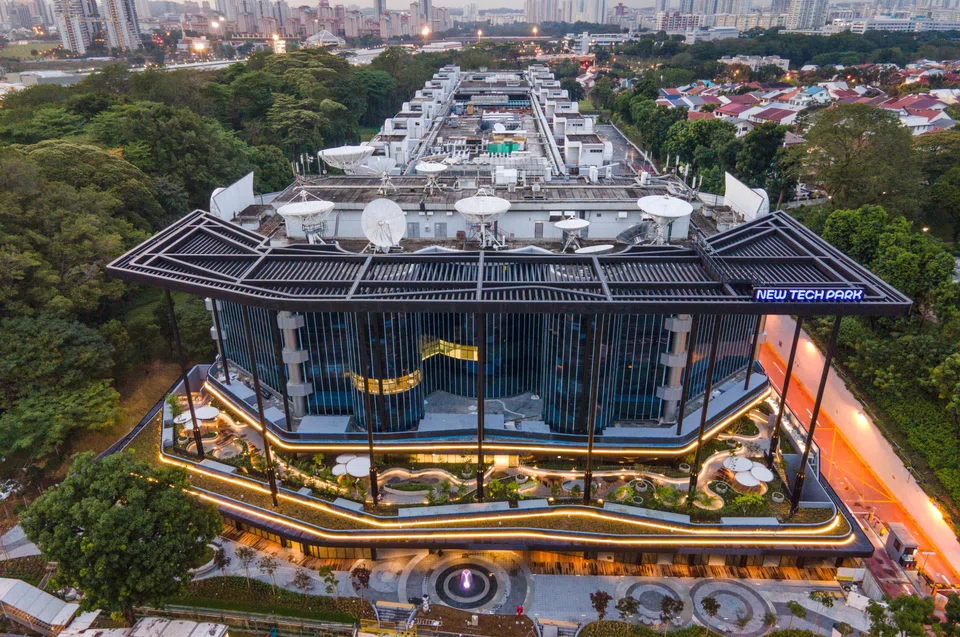
Sabana is undertaking its second asset-enhancement initiative in Tuas, which was announced earlier this month. Han added that the Reit is also hoping to make some announcements on New Tech Park, but this could take some time.
He added that the company always keeps a lookout for acquisition opportunities, though its focus is on asset enhancement.
On Apr 10, the Reit announced that its portfolio occupancy had increased to 92.6 per cent as at Mar 31, representing a new high since Q1 2021.
It also reported positive rental reversion of 13.6 per cent, feeding into the trend of rental increases upon lease renewal, which emerged in Q1 2021.
“While (the) outlook for the industrial property sector remains mixed as we enter 2023, demand for our warehouse and logistics properties from third-party logistics service providers was strong, particularly during Q1 2023,” Han said.
But the Reit’s manager is also keeping a close eye on economic headwinds, with Singapore’s economy showing signs of slowing in the first quarter of this year.
Around a third of Sabana’s gross rental income comes from the warehouse and logistics segment. Han said: “I’m confident that the demand will continue to stay strong in the next 12 months. Of course, when the tide goes down, everything will come down, but it will be least impacted for the warehouse.”
Sabana’s high-tech industrial segment – which accounts for more than half of its gross rental income – may face greater competition.
“There’s quite a fair bit of high-tech industrial specification that’s coming up in the marketplace,” Han said, noting that there are projects including the Punggol Digital District and Perennial Business City coming up.
He said competition in the high-tech segment is heating up, and that Sabana’s manager has to watch the market, even as it tries to stay competitive while bagging new tenants.
Units of Sabana were trading at S$0.45 as at the midday break on Wednesday, up 1.1 per cent from Tuesday’s close.
TRENDING NOW

Two Singapore-listed palm oil firms named in Greenpeace report on Indonesian plantation fires

Singapore Airlines flight returns to San Francisco after ‘unruly’ passenger incident

Singapore looking into which companies responsible for haze-causing fires: PM Wong

Deluge IPO 3.86 times subscribed ahead of SGX debut

